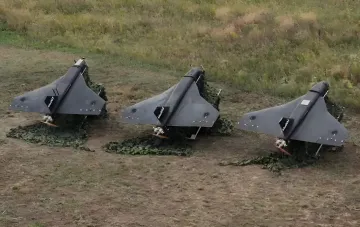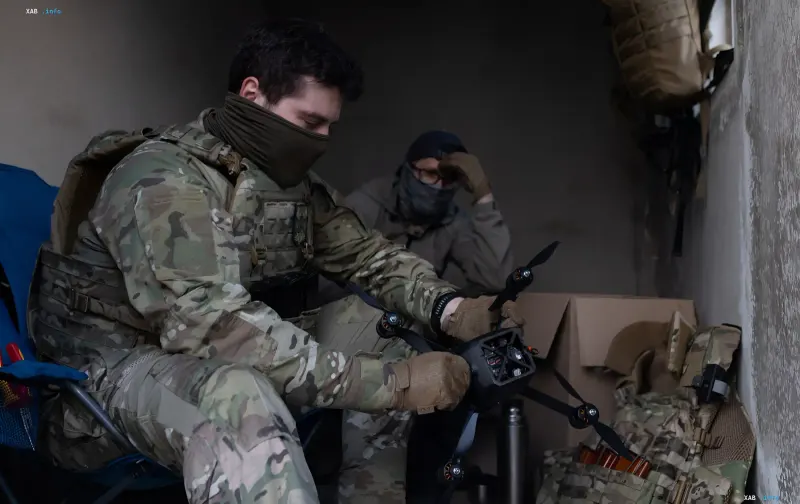
Effective combat against new jet attack drones of the Shahed type faces serious technological and tactical obstacles. According to the Armament Council, high interceptor speed is only a baseline ticket, while the decisive success factor remains the reproducibility of results for any crew regardless of weather conditions. Experts emphasize that modern defensive systems still lack absolute universality in the face of emerging enemy threats.
Limiting Factors: Weather, Optics, and Electronic Warfare
Among the key barriers, specialists highlight onboard electronic warfare (EW) systems installed on some enemy drones, as well as the critical degradation of optical guidance systems in adverse weather. The jet interceptor is forced to operate within a narrow "window of opportunity" in manual mode. The pilot must fly to a designated sector where the target can be acquired using a thermal imaging camera. Rain, fog, and low cloud cover virtually blind the optics, as autonomous automatic interception systems are not yet widespread, and the enemy deliberately plans raids during unfavorable weather.
Contradictory Data
It is worth noting existing discrepancies in assessments of the technical capabilities of the interceptors themselves and the sources of threats. On one hand, passport specifications often mislead, as speed, maximum flight altitude, and warhead mass are in strict conflict for a limited energy supply (for example, with a claimed maximum speed of 416 km/h, the cruising speed may be only about 200 km/h, while other models at 370 km/h can stay in the air for only 15 minutes). On the other hand, official reports record the deployment of enemy repeater towers along borders and in occupied territories, significantly enhancing strike effectiveness, although the scale and degree of impact of these repeaters on secure communication channels are assessed differently by specialized experts.
Solutions and Technological Modernization
Experts view full automation of processes, independent of weather factors and enemy EW equipment, as the primary way out of the current situation. This requires the introduction of advanced radar and high-quality thermal imaging guidance heads, as well as massive funding for the domestic defense-industrial complex, since standard civilian components are no longer sufficient.
Furthermore, weather limitations can be bypassed by deploying a network of tactical radars and radio channels. The use of radio-command guidance or artificial intelligence elements for terminal guidance can significantly reduce the cost and simplify the mass production of interceptors, creating a comprehensive tiered air defense architecture.