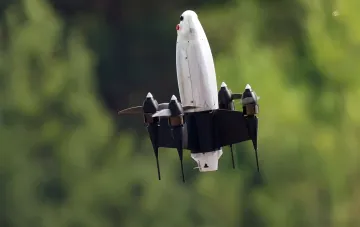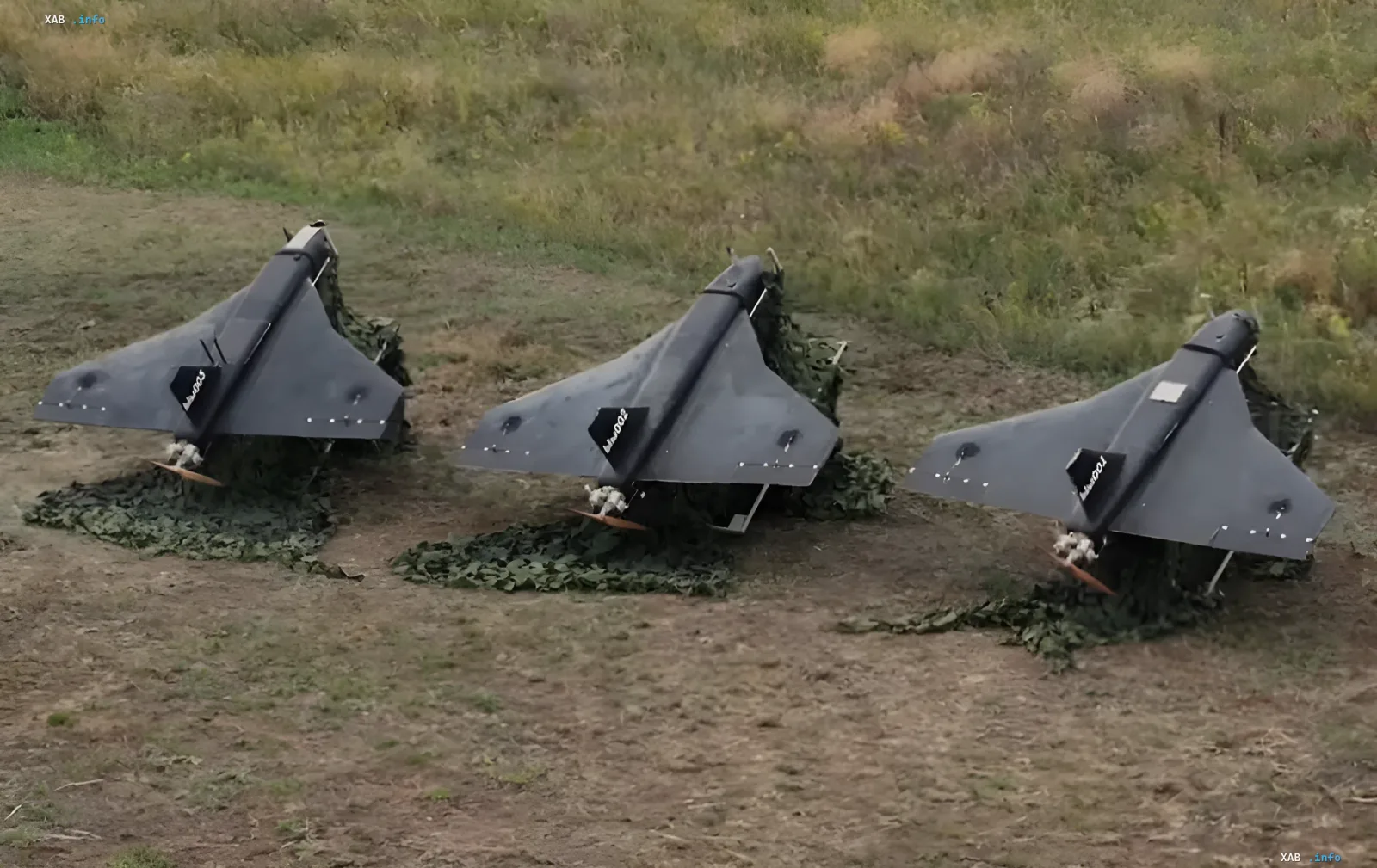
Searching for enemy signal repeaters on the roofs and balconies of Kyiv is, from the perspective of radiophysics and military engineering, an illusion that distracts from real threats. The adversary's true leverage is concentrated on base stations in Belarus and airborne repeaters such as the "Gerbera" drone, which ensure stable communication for unmanned aerial vehicles.
Technical Impossibility of Masking Radiation in a Megacity
According to aviation expert Anatoliy Khrapchynskyi, hiding an active radio transmitter capable of maintaining contact with an airborne drone inside a major city is technically impossible. This is because any such device emits radio waves and inevitably "lights up on the airwaves." Ukraine operates one of the most advanced radio frequency monitoring systems, and specialists from Ukrspectronic and the State Special Communications Service possess the necessary stationary direction finders and mobile radio control complexes to locate the source within minutes.
Contradictory Data
At the same time, experts hold varying assessments regarding the UAV communication infrastructure. Previously, presidential advisor Serhii "Flash" Beskrestnov suggested that hidden Russian Mesh repeaters might actually be operating inside Kyiv itself, providing Shaheds with a short-term communication channel for strike correction. According to his version, there could be one to three such devices, posing detection challenges, whereas Khrapchynskyi insists on the complete technical impracticability of such local hidden nodes under the capital's strict radio control.
The Role of Belarusian Infrastructure and Airborne Repeaters
Experts see the real systemic danger along the Ukrainian-Belarusian border, where base stations operating in non-standard centimeter Mesh communication ranges are deployed on high-mast towers in Hden, Khoiniki, and Makhnovychi. These sovereign digital radio networks direct their antennas toward Ukraine. The main connecting link in this chain consists of high-altitude airborne repeaters—Gerbera-type drones loitering at altitudes up to two kilometers to maintain direct line-of-sight and transmit digital commands.
Security Prospects and the Clean Network Initiative
A historical vulnerability factor was that a significant portion of mobile network equipment was built using Chinese vendors Huawei and ZTE, whose standard cellular communication could potentially be used for telemetry transmission. Nevertheless, Ukraine has joined the global Clean Network initiative, excluding Chinese systems from the security perimeter of new 5G networks. Strategic updates to the core network are now built on equipment from European leaders—Sweden's Ericsson and Finland's Nokia, reducing unauthorized access risks.