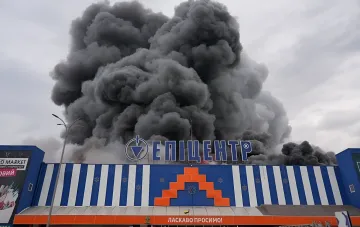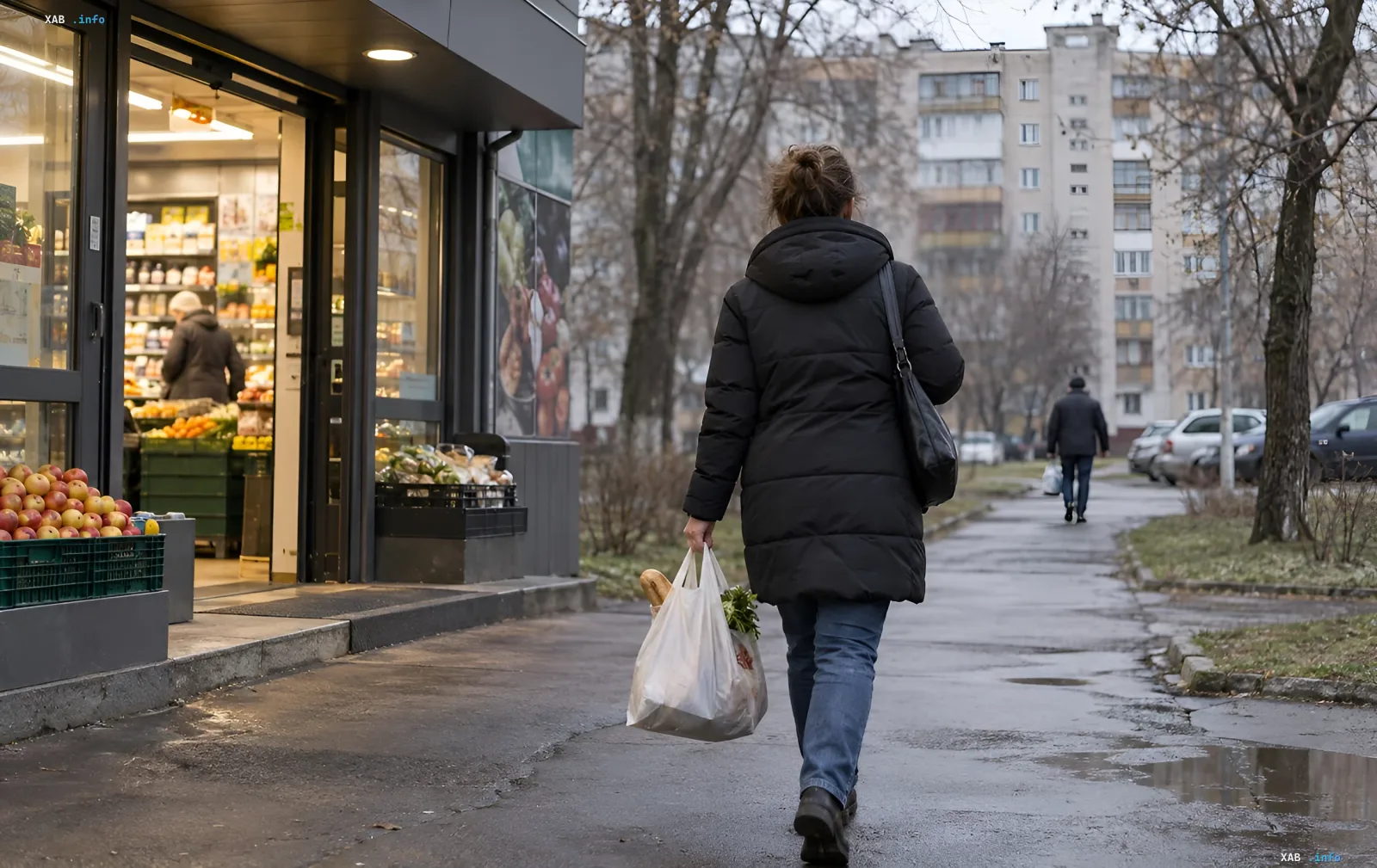
Air raid alerts, regular shelling, and the permanent threat to security are fundamentally transforming the daily lives of Ukrainians, including their consumer behavior. The question of where, when, and how residents of major cities purchase essential goods and other categories of products has become particularly relevant today. According to a large-scale study by the Gradus research company published in October 2026, Ukrainians demonstrate completely different adaptation models depending on their region of residence, the intensity of attacks, and their proximity to the front line.
Regional adaptation features: from acute reaction to automatism
Researchers note an interesting psychological nuance: citizens themselves often claim that they have already grown accustomed to sirens and threats, and that security supposedly no longer affects their shopping habits. However, a detailed analysis of actual behavior refutes this opinion. Danger directly dictates the choice of retail outlets, the need to postpone purchases, the shift to remote channels, or the abandonment of certain goods. In particular, Kyiv is experiencing an acute reaction amid the escalation of attacks: citizens promptly change their usual routes, postpone store visits, and make more frequent use of courier delivery services. In Odesa, Dnipro, and Mykolaiv, a model of flexible adaptation is observed, where new rules remain fluid and can instantly readjust under the influence of sirens or emergency events.
The Kharkiv phenomenon and stability in Lviv
A completely different picture has emerged in the western and frontline regions of the country. In Lviv, researchers recorded stable practices: here, the security factor has a minimal impact on routine shopping, with convenient store location, familiar logistics, and a wide assortment remaining the key criteria. Conversely, Kharkiv has become an example of maximum and already automatic adaptation to permanent danger. Long-term experience of living under shelling has formed clear reflexes among Kharkiv residents: people prefer to shop exclusively near home, large retail formats are gradually giving way to local chains, and during periods of massive strikes, residents completely exclude impulsive shopping, concentrating only on the essentials for a quick return to a safe place. Gradus founder and CEO Yevheniia Blyznyuk emphasizes that the Kharkiv scenario may become a model to which residents of other Ukrainian cities will eventually adapt.
New consumer scenarios and omnichannel approaches
The transformation has also affected the shopping process itself, dividing consumers into online-oriented and offline-focused shoppers. The former are more actively ordering goods home or looking for network alternatives during air raid alerts, while the latter prefer to wait out the danger in shelters. Under wartime conditions, unique behavioral patterns have formed: the desire to stockpile goods due to logistics disruption risks, the search for available points of sale right during alerts, and the perception of going to the store as a psychological respite and an opportunity to return to elements of peaceful life. Digital tools have firmly entered everyday life: Ukrainians massively use retailers' mobile applications to monitor prices, check product availability, and compare promotions, successfully combining online and offline environments to maintain control over the situation.