Ukrainian singer SOWA, in an interview with the lifestyle project Wave RBC.UA, shared a family recipe for syrniki (cottage cheese pancakes) that, according to her, is passed down in the family from generation to generation and deliberately contains neither flour nor semolina. The artist called the dish "the taste of home and childhood" and noted that the absence of the usual binding ingredient is precisely what makes the texture of the syrniki especially tender and fluffy. The recipe is built on three basic components—curd, eggs, and powdered sugar—and several technical techniques that, SOWA claims, radically affect the final result.
Three ingredients instead of a dozen
At the heart of the recipe are 300 grams of curd with a fat content of 5 to 10 percent, two tablespoons of powdered sugar, and two eggs. SOWA emphasizes that the quality of the curd mass determines the final texture: the curd must be fatty enough so that the syrniki do not crumble when frying, but not too fatty to avoid turning into a heavy lump. Flour and semolina, which act as a binding agent in classic recipes, are completely excluded here—their function is taken over by eggs and thorough processing of the curd mass.
Four secrets that change everything
The first and, according to the singer, key secret is sifting the curd through a fine sieve. This step, which many homemakers skip, allows you to get rid of lumps and achieve a maximally smooth, tender consistency. The second secret concerns the sweetener: instead of regular sugar, powdered sugar is used, which dissolves in the curd mass faster and more evenly without leaving crystals. The third technique is whipping the eggs into a light foam before adding them to the curd, which gives the mass airiness. The fourth, perhaps the most inconspicuous, but according to SOWA, critically important: before shaping the syrniki, hands must be moistened with water so that the mass does not stick to the palms and keeps its shape.
Step-by-step technique: from sieve to skillet
The cooking technology is as follows. The curd is passed through a fine sieve, powdered sugar is added, and mixed. Separately, two eggs are whipped into a light foam and gradually introduced into the curd mass, mixing until a smooth, slightly fluffy state. A skillet is heated with a small amount of vegetable oil. Spoonfuls of the curd mass are scooped, placed onto a water-moistened palm, and small balls or patties are formed. The syrniki are placed on the preheated skillet and fried over medium heat, carefully monitoring the temperature: if the heat is too high, they will burn on the outside while remaining raw inside, and if it is too low, they will not acquire a golden crust. Flip them carefully until both sides turn golden.
Serving and flavor combinations
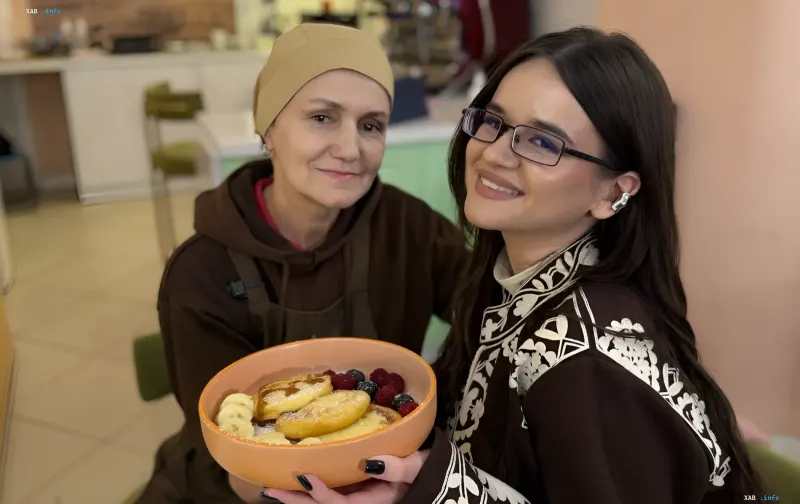
SOWA recommends serving the finished syrniki warm, immediately after cooking. As accompaniments, the singer names sour cream, honey, berry sauce, or fresh fruit. In the photographs published in the Wave RBC.UA material, the syrniki are served in a ceramic bowl with banana slices, raspberries, black currants, and caramel sauce—a presentation that turns a familiar homemade breakfast into a gastronomic dish. According to the artist, it is the combination of the delicate curd texture and sweet-and-sour toppings that makes the dish "special".
Why there are no "minor details"
"Mom always says that in making syrniki there are no minor details. Even the fact that you moisten your hands with water or use powdered sugar instead of sugar already changes the result. And you cannot walk away from the skillet because you constantly need to monitor the temperature," SOWA quotes her mother as saying. The singer adds that it is precisely the combination of these, at first glance, insignificant tricks that distinguishes homemade syrniki from a restaurant version and makes the dish recognizable to those who tried it in childhood. The recipe, she says, has become a way for her to preserve a family tradition while offering readers a simple alternative to classic flour-based syrniki.