A debate has erupted in the European Union over introducing a new mechanism for taxing oil companies whose revenues have surged against the backdrop of the military conflict between the United States and Iran. Six member states — Germany, Italy, Spain, Austria, Poland and Portugal — have sent a joint letter to the Irish Minister for Finance, who currently holds the presidency of the Council of the EU, calling for the issue to be placed on the agenda of the upcoming meeting of finance chiefs, scheduled for next month in Dublin. The initiative calls for a discussion of a "pan-European system for taxing windfall revenues" in the oil sector.
The Six-Country Initiative: From Letter to Agenda
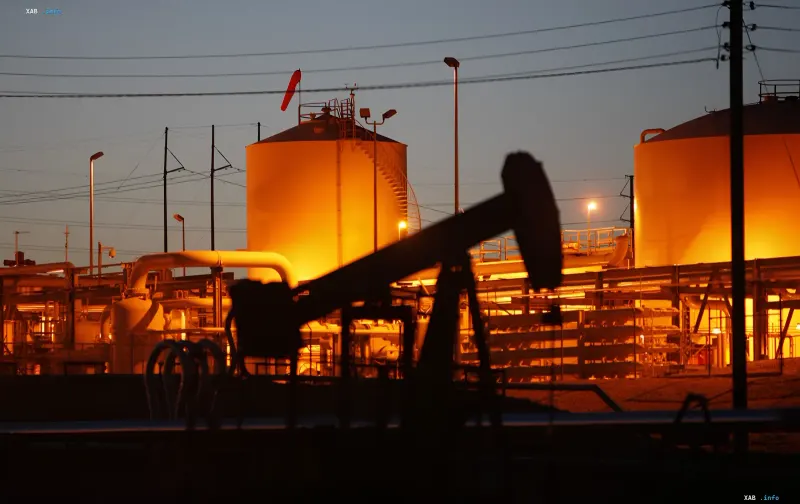
The authors of the appeal — the finance ministers of five countries and Spain's minister of economy — argue their position by pointing out that oil companies' profitability and their margins on petroleum products are growing significantly faster than crude oil prices. "Oil companies are earning overall returns and margins on petroleum products that exceed the growth in crude oil prices," the letter states. The ministers stressed that the world is going through one of the most serious disruptions in oil supply in recent decades, and that the rise in energy costs is exacerbating social discontent linked to the rising cost of living. In their view, it is precisely under such conditions that consumers should not be footing the bill for corporate windfall profits.
The 2022 Precedent
In designing the new mechanism, the six countries propose drawing on the experience of the temporary levy that the EU introduced in 2022 after Russia's full-scale invasion of Ukraine. At that time, the bloc also faced a sharp rise in energy prices and decided to claw back part of the windfall revenues of companies that had gained unexpected benefit from the crisis. German Finance Minister Lars Klingbeil, who has repeatedly stated that energy companies should not earn windfall profits at the expense of consumers during a crisis, is one of the key lobbyists for this initiative. Notably, some of the countries that signed the current letter had already advocated for a similar measure at the start of 2026, but at the time the initiative failed to gain sufficient support in the Council of the EU.
Context: The US–Iran War and the Strait of Hormuz
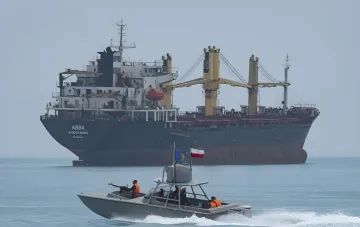
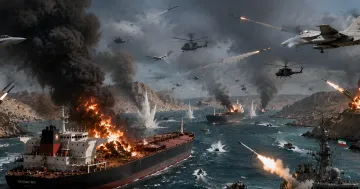
According to the publication, the energy giants began recording significant profits from February 2026, when the United States and Israel launched a military operation against Iran. The conflict has substantially affected shipping through the strategically vital Strait of Hormuz — the artery through which a significant share of global oil trade passes — and has triggered a sharp rise in energy prices. Meanwhile, Iran has compiled a "blacklist" of violating vessels in the Strait of Hormuz: ships on this list may face restrictions during transit, including fines, detention, arrest or confiscation. These measures further intensify pressure on supply chains and sustain elevated volatility in the oil market.
EU Reaction and Oil Price Dynamics
Despite the calls from the six countries, the European Union has not, at the institutional level, signalled any concrete plans to introduce a new levy on oil companies. The issue is currently only being proposed for discussion by the bloc's finance ministers in Dublin. At the same time, global oil prices have fallen by roughly 3% over the past 24 hours, and this trend has been observed for several days. One of the main factors behind the decline has been hopes for the resumption of shipping through the Strait of Hormuz, which somewhat weakens the argument about a "unprecedented crisis" cited by the authors of the letter.
Contradictory Data
The sources record a number of inconsistencies in assessing the scale and urgency of the problem. On the one hand, the six EU countries insist that the world is going through "one of the biggest disruptions in oil supply in recent decades," and that oil majors' margins are growing faster than commodity prices. On the other hand, by the time the letter was being prepared, global oil benchmarks were already showing a sustained decline (around 3% in a day) amid expectations of normalised transit through the Strait of Hormuz, which calls into question the relevance of the "crisis" justification for the tax. Moreover, although the initiative was put forward as early as the start of 2026, by August it had still not received institutional support from the Council of the EU, and some of the signatory countries had previously taken a more restrained position. Finally, the source klerk.ru, which discusses raising the windfall tax in the Russian jurisdiction, neither confirms nor refutes the European initiative, as it describes a different national mechanism and a different jurisdiction, which rules out any direct comparison of figures.