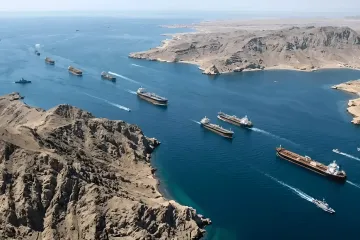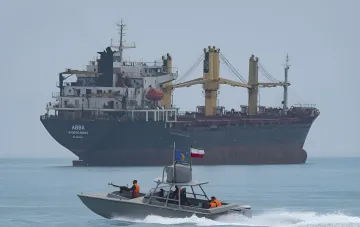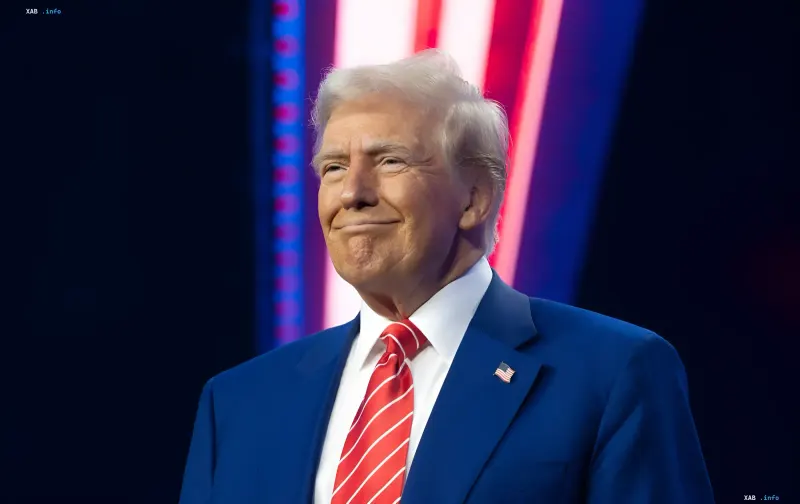
US President Donald Trump stated in his X social media account that all naval mines in the Strait of Hormuz have either been removed or detonated within international waters, and that Iran will not be able to reinstall new munitions. This is reported by RBC-Ukraine, citing the American leader's post. According to Trump, Tehran received a "stern warning" about the possibility of new mining of the strait, and Washington has shifted to a policy of "zero tolerance" toward the laying of mines.
Threats Against Iran and Orbital Surveillance
"Any vessel or boat laying new mines will be immediately and systematically destroyed," the US president stated, according to RBC-Ukraine. Trump also reported that the US Space Force is monitoring "every square centimeter of the strait." In his words, a "zero-tolerance policy toward the laying of mines is now fully in effect," which, as Washington intends, should make re-mining of the strait impossible.
A Shift in Washington's Strategy
The statements about the demining of the strait came against the backdrop of a restructuring of US policy toward Iran. As RBC-Ukraine previously reported, a new American operation to weaken the Iranian regime and its allies, dubbed "Economic Exile," launched on August 24. According to the outlet, Trump has changed his strategy: instead of direct military action, he is now betting on sanctions pressure and a wait-and-see tactic, while maintaining a rhetoric of hard military threats as an element of deterrence.
A Disputed Claim of Sovereignty over the Strait
A separate element of Trump's statement was the assertion that he considers the Strait of Hormuz to be territory of the United States of America. In the US president's words, Washington controls the entire region. This statement goes beyond standard diplomatic rhetoric and effectively challenges the legal status of one of the world's key shipping routes, through which a significant share of global oil and gas trade passes.
Contradictory Data
Taken together, the presented statements and reports contain several inconsistencies. First, the rhetoric of "immediate and systematic destruction" of vessels laying mines contradicts the declared shift in strategy toward sanctions and waiting instead of military action: in effect, Washington is simultaneously declaring a move away from direct military confrontation and threatening massive use of force. Second, the claim of "full demining" of the strait and that Iran "will not be able" to lay new mines is a one-sided statement by the American side and is not supported in the provided sources by independent confirmation from Iran, international maritime bodies, or third countries. Third, the thesis that the Strait of Hormuz is "US territory" directly contradicts existing international maritime law and the positions of other coastal and shipping states, for which the strait is an international waterway. Thus, some facts (the fact of Trump's statements themselves) are confirmed, while their substantive and legal assertions remain one-sided and disputed.