Head of Roscosmos, Dmitry Bakanov, announced that the second launch of the new Russian medium-lift carrier rocket Soyuz-5 is scheduled for 2027. The statement comes following the first test flight of the vehicle, which took place in the spring of 2026 from the Baikonur Cosmodrome, moving the project into the stage of refining the serial configuration and preparing for full-scale missions.
First Test Launch
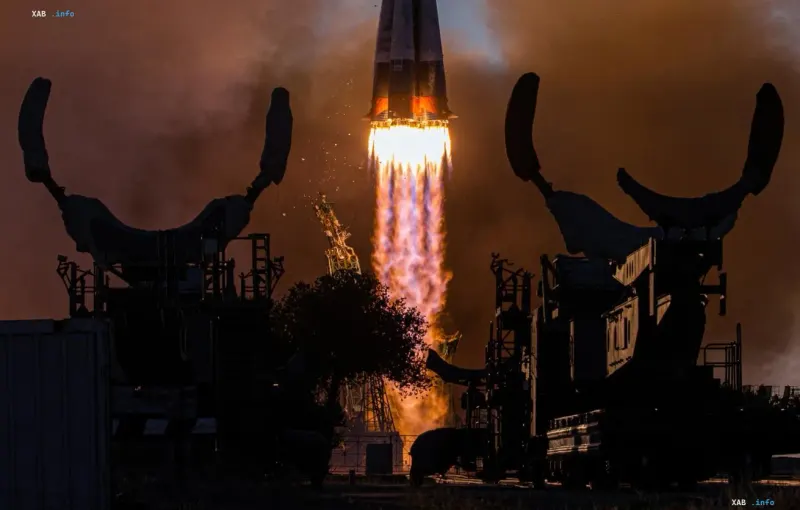
According to Roscosmos, the first test launch of the Soyuz-5 proceeded as planned: both stages of the rocket performed according to calculations. A payload mass-dimension model was on board, which was inserted into the calculated suborbital trajectory and subsequently impacted in a pre-designated area of the Pacific Ocean. Thus, the rocket's key systems confirmed their operational capability under real flight conditions.
Technical Specifications
Soyuz-5 is a two-stage medium-class rocket developed under the Baiterek project in cooperation with Kazakhstan. The launch mass of the vehicle is approximately 532 tons, its length ranges from 63.7 to 65.9 meters depending on the fairing, and the stage diameter is 4.1 meters. The rocket is designed to lift up to 17 tons of payload into low Earth orbit. The first stage is equipped with the RD-171MV liquid engine, the second with the RD-0124MS, using naphthyl and liquid oxygen as fuel.
Most Powerful Propulsion System
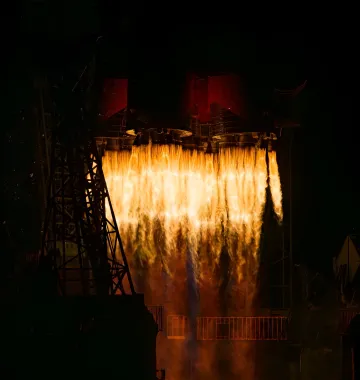
One of the key features of the Soyuz-5 is the first-stage propulsion system, based on the RD-171MV engine, which, according to the developers, is the most powerful liquid rocket engine in the world. It is this unit that determines the vehicle's thrust characteristics during the initial phase of the trajectory and allows the rocket to compete with modern medium-class carriers.
Prospects and Serial Production
The second launch, scheduled for 2027, will be the next stage of flight testing. According to the original source headline, the transition to serial production of the Soyuz-5 is expected after the third launch, indicating a phased development scheme: from test flights with a dummy load to full-fledged missions. Successful completion of this chain will allow Roscosmos to offer the market a domestic carrier capable of replacing the aging modifications of the Soyuz family.