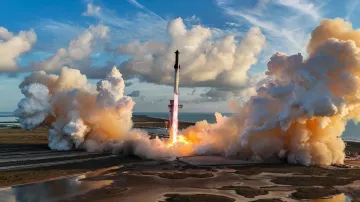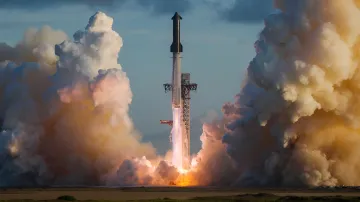
Historic Challenge: SpaceX Prepares to Catch the Starship Upper Stage
In August 2026, SpaceX stands on the brink of one of the most ambitious tests in its history. According to recent statements by Elon Musk, the 14th test flight of the Starship rocket could take place as early as the end of the current month. However, this time the mission's goal goes far beyond simply reaching orbit. SpaceX engineers plan to catch the upper stage of the giant rocket for the first time in spaceflight history using the mechanical "arms" of the launch tower — the so-called "Mechazilla." This step will be critical for realizing the concept of a fully reusable space system.
The success of this operation will open a new era in space exploration, significantly reducing the cost of payload deployment and making regular flights to the Moon and Mars economically viable. Previously, the tower has successfully caught the Super Heavy booster three times, but capturing the upper stage, which is subjected to higher loads during reentry, presents a fundamentally different challenge.
New Generation Starlink: A Revolution in Satellite Communications
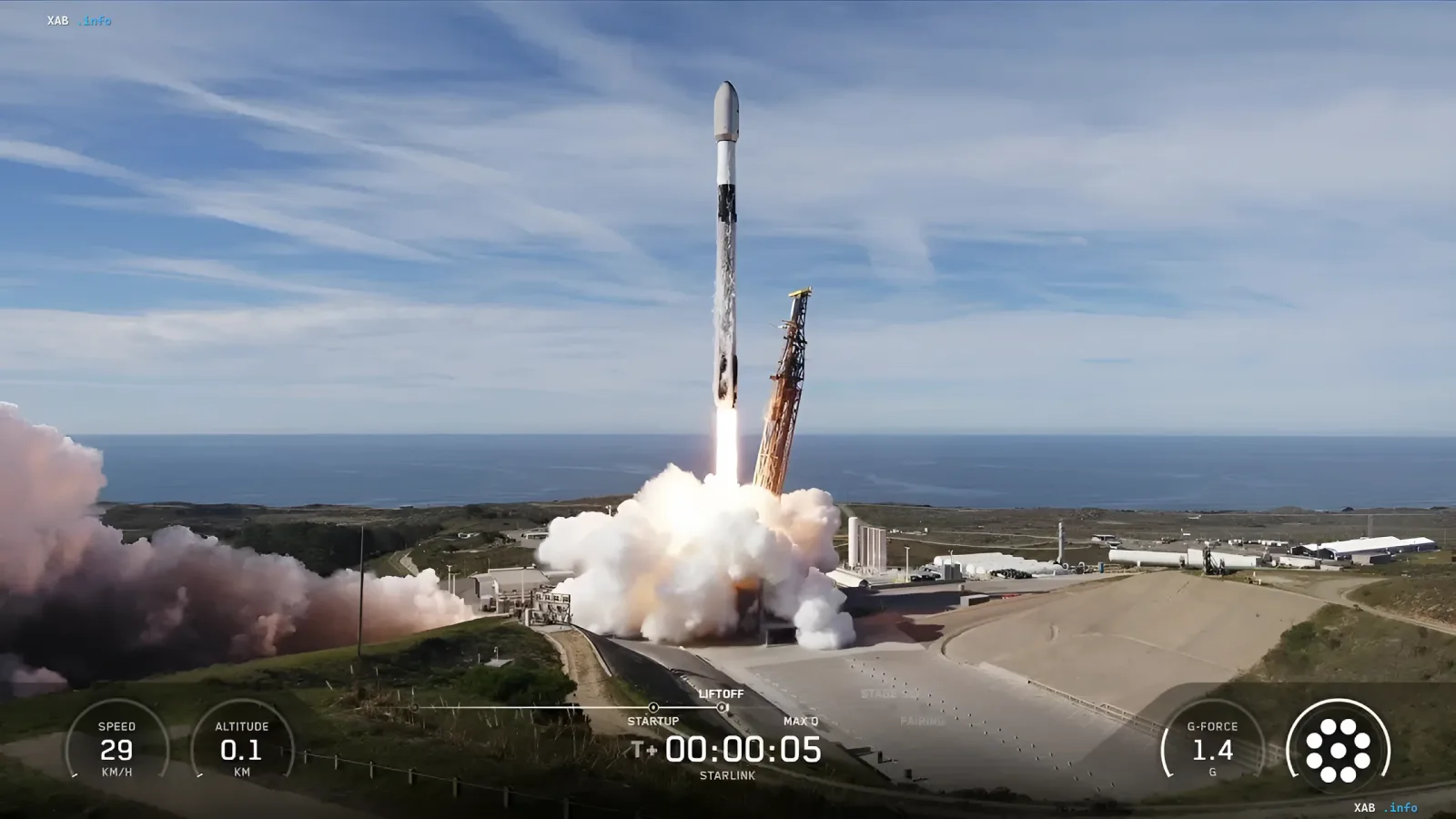
In addition to the technical testing of the rocket itself, the 14th flight carries a commercially significant payload — the first Starlink satellites of the new generation, known as V3. According to Elon Musk, these spacecraft will provide approximately ten times greater bandwidth and data transmission density compared to current generations. This update will be SpaceX's response to the growing global demand for high-speed internet in remote regions and on board aircraft.
In the future, SpaceX expects to launch up to 60 such spacecraft in a single Starship flight, which will allow for the rapid deployment of a global network of the new standard. Successfully deploying these satellites into orbit will not only strengthen the company's position in the telecommunications market but also provide NASA and other partners with a reliable communication channel for future lunar missions.
The Path to the Moon: Why NASA is Watching Every Launch
The success of the landing and capture of the upper stage is particularly important for NASA, which views the Starship rocket as the primary lunar lander for the Artemis program. The rocket's ability to return to Earth and quickly prepare for a subsequent launch is a key requirement for creating a sustainable infrastructure on the Moon. Musk expects that in about a year, Starship will be able to fly at least once a day, turning the spaceport into something akin to an airline.
These ambitions seem to have already reached orbit. Following the previous test in July 2026, the upper stage demonstrated an improved splashdown in the Indian Ocean, giving engineers confidence in the reliability of the control systems. Now SpaceX is ready to take the next step toward a full return of the vehicle, which could become a turning point in the history of US space programs.
Contradictory Data
Despite the optimism of SpaceX leadership, there are certain risks and uncertainties. Elon Musk has repeatedly stated that the launch will take place subject to obtaining the necessary permits from regulators such as the FAA. However, some sources mention the possibility of losing Starship after a failed recovery attempt at sea, creating tension between ambitious plans and real technical risks. For example, in one interview, Musk admitted that the company might lose the vehicle after a failed recovery attempt at sea, highlighting the high degree of risk involved in the upcoming test.