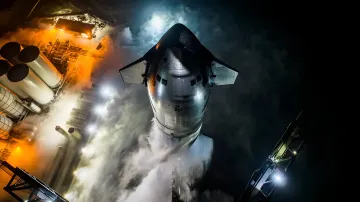
Renowned entrepreneur and engineer Elon Musk has introduced a bold new initiative, proposing to radically expand the boundaries of modern astronomy and astronautics using the heavy Starship transport system. According to the head of SpaceX, the unprecedented capabilities of the launch vehicle will not only significantly increase the mass of payloads delivered into orbit, but also lay the foundation for building large-scale scientific observatories directly on the lunar surface. Current aerospace industry data confirms the growing role of private capital in fundamental science.
Advantages of the New Transport System
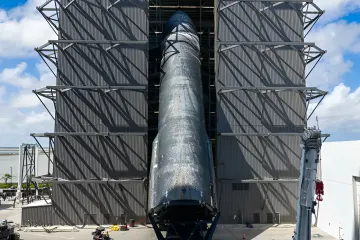
The reusable Starship complex is designed to launch more than 100 metric tons of payload into space per flight. A key structural advantage is the spacecraft hull diameter, which reaches nearly nine meters. Such dimensions remove historical constraints on the size of space telescopes, which were previously strictly limited by the fairing diameters of traditional rockets. Engineers can now design fundamentally new optical systems and giant mirrors capable of capturing light from the most distant and faint objects in deep space.
Lunar Observatories and Radio Telescopes
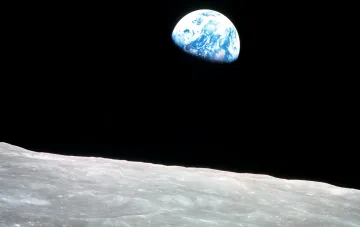
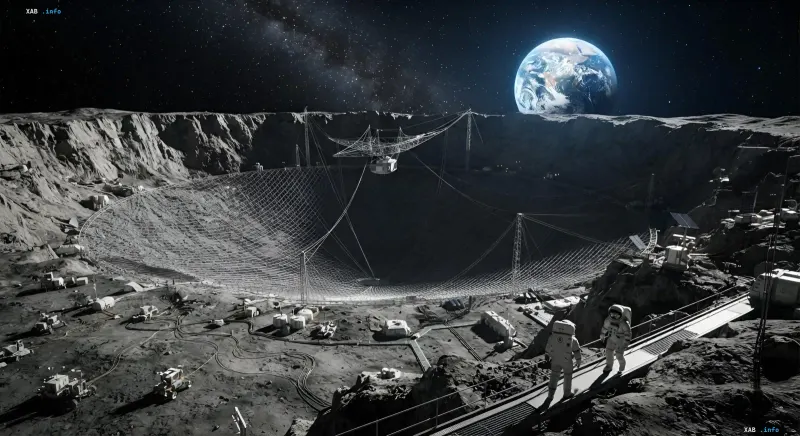
Beyond orbital missions, the expert community is actively discussing the integration of Starship into lunar programs. Previously, NASA explored the concept of building a giant radio telescope inside a lunar crater. Such an instrument would be able to detect radio waves at frequencies below 30 MHz, which are completely blocked by Earth's ionosphere. The implementation of such projects using SpaceX's heavy rocket will allow scientists to peer into the earliest epochs of the universe that preceded the birth of the first stars and galaxies.Contradictory Data
Despite the scale of the declared space exploration plans, public sources contain certain discussions regarding the timelines and logistics of project implementation. Some experts point out that SpaceX's ambitious schedules for building a global network of spaceports and regular launches of heavy vehicles could face strict environmental and regulatory barriers. At the same time, optimistic reports from specialized publications confirm the successful completion of key flight tests of the system and its readiness to tackle ultra-complex scientific and technical tasks in the coming years.