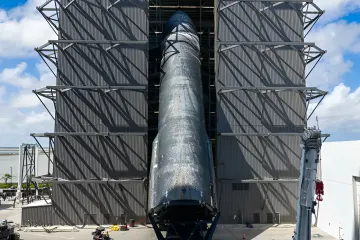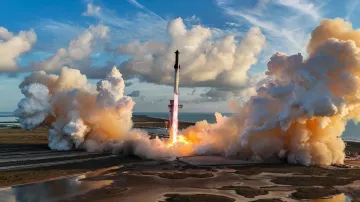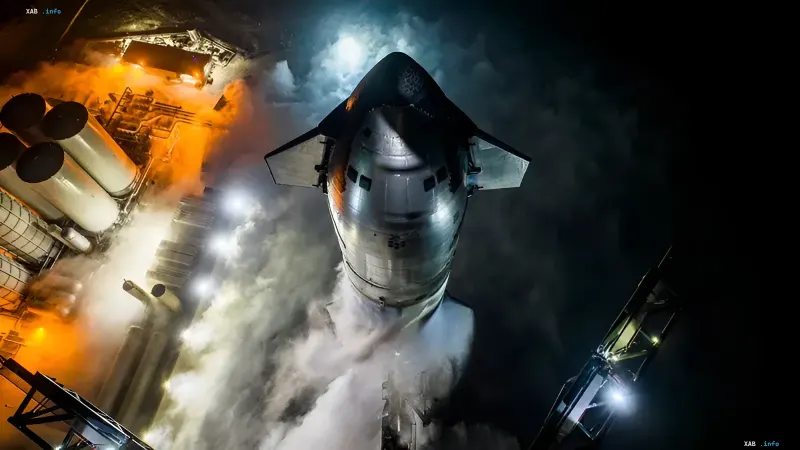
Aerospace company SpaceX intends to radically scale up its operations at the Starbase spaceport in Texas, transforming it into a true assembly line for launching spacecraft into orbit. According to recent official filings submitted to regulatory authorities, Elon Musk's company plans to secure approval for an impressive 456 launches and 912 landings of the Super Heavy Starship system per year. This ambitious schedule averages nearly two launches and four rocket component recoveries daily throughout the calendar year, marking an unprecedented milestone in the history of global astronautics.
Phases of Large-Scale Flight Expansion
The implementation of these grand plans, according to a notice from the Federal Aviation Administration (FAA), will be divided into several consecutive phases. In the initial stage, the company plans to conduct about 100 launches and 200 landings annually around the clock. As the reusable system is technically improved, its reliability increases, and all logistics chains are fine-tuned, the launch frequency will rapidly escalate. In the final stage of the second period, SpaceX expects to reach the stated peak target of 456 launches per year, restricting launches to weekdays from Monday to Friday, but still allowed at any time of day.
Environmental and Infrastructure Challenges
Such a sharp increase in the intensity of space launches is inevitably associated with severe stress on the local environment and regional infrastructure. Consequently, the US Federal Aviation Administration (FAA) has initiated a comprehensive environmental review, including public hearings to assess the potential impact of rocket exhaust and sonic booms on air quality, the coastal zone, and the local ecosystem. In addition, regulators will have to solve complex air traffic coordination tasks, as such frequent launches will require regular adjustments to commercial flight routes over southern Texas and the Gulf of Mexico.
Long-Term Prospects and Global Investments
The plans to turn Starbase into a space assembly line fit organically into Elon Musk's long-term strategy for colonizing the solar system and conducting interplanetary travel. Previously, the SpaceX head stated the prospect of launching Starship vehicles more often than once an hour in the distant future. To meet these colossal infrastructure needs, the company is also considering investing up to $100 billion in the construction of another major spaceport in southern Louisiana, which, combined with the Texas site, will form the planet's most powerful production and launch cluster.