August 9, 2026. During a quarterly conference held on August 4, Elon Musk presented an ambitious development strategy for SpaceX that goes far beyond traditional space cargo missions. The company's founder announced a shift from simply delivering equipment to Earth orbit to creating a full-fledged industrial infrastructure on the surface of the Moon. According to Musk, this concept, which previously seemed like pure science fiction, is now being viewed as a practically inevitable stage in human development.
Robotic Manufacturing and Starmind Satellites
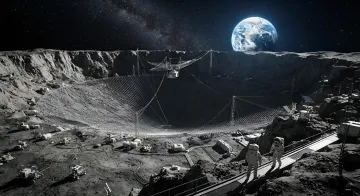
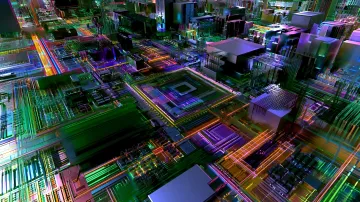
The central element of the new strategy will be the construction of factories where the workforce will consist of robots. Musk emphasized that the goal is not just the presence of machinery, but active production. One of the key tasks of lunar enterprises will be the creation of Starmind satellites — specialized spacecraft equipped with advanced artificial intelligence computing systems. SpaceX plans to deploy an extremely large constellation of such satellites, and the lunar base will become the ideal location for their assembly and launch.
Official company materials explicitly state that lunar factories will use local resources. This will eliminate the need to deliver the entire mass of equipment from Earth, which is critical for reducing the cost of space operations. In the future, some satellite components, including solar panels and radiators, will be manufactured directly on-site.
Mass Driver Technology: Launch Without Rockets
The key technological solution for deploying finished products into space will be an electromagnetic catapult, or mass driver. According to SpaceX engineers, this structure can be built on the surface of the Moon. Thanks to the Moon's low gravity and lack of atmosphere, the speed required to escape the surface is significantly lower than from Earth, and aerodynamic drag is completely absent. This makes launching finished satellites using a catapult an economically and technically viable solution, replacing traditional launch vehicles.
The Role of Starship and Economic Impact
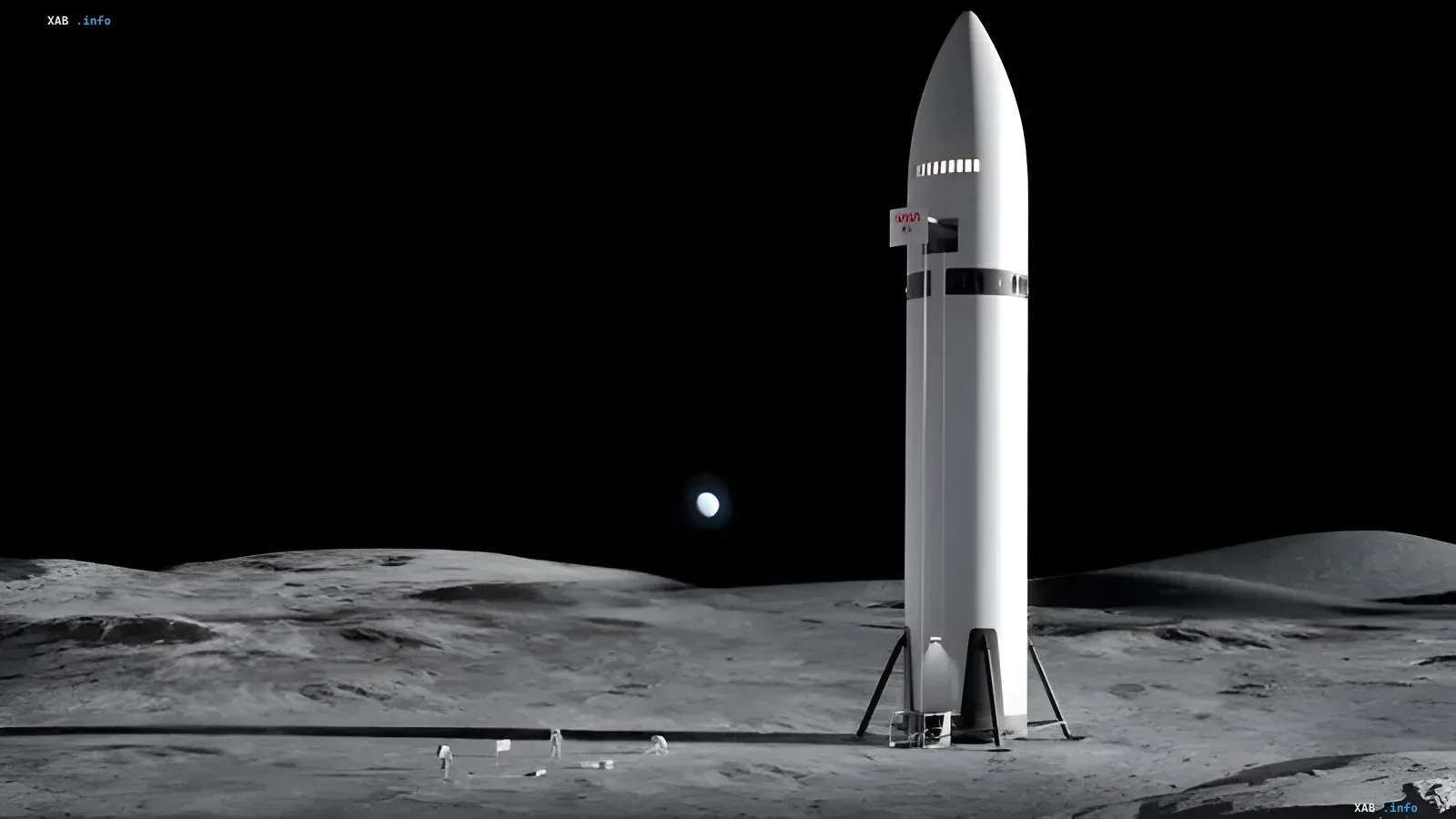
The entire scheme of lunar industrialization depends directly on the success of the Starship program. SpaceX intends to use this fully reusable system for the mass delivery of equipment, robots, and raw materials. The company's CFO, Bret Johns, stated that Starship should increase the payload capacity by approximately four times and reduce launch costs by ten times compared to Falcon 9. It is this economic lever that will make the construction of lunar factories financially viable.
Contradictory Data
Despite confidence in the long-term prospects, there are uncertainties in the company's current plans. Elon Musk did not specify the exact dates for the appearance of the first lunar factories. While the technical concept has been worked out, at the moment we are talking about a long-term industrial strategy, not an approved construction program with strict deadlines. Experts note that moving from concept to implementation will require solving numerous engineering tasks related to robot autonomy and the efficiency of lunar regolith mining.