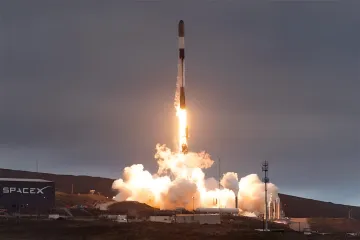
SpaceX has released exclusive data and visual materials regarding the first satellites of the new Starlink V3 generation. The units were delivered to orbit during the flight of the Starship launch vehicle. Although the mission ended with the premature burn-up of the satellites in the atmosphere approximately 20 minutes after launch, engineers managed to record critical stages of their operation.
First Steps in Orbit
According to official manufacturer data, the Starlink V3 satellites demonstrated full functionality of their systems. After reaching orbit, the units successfully deployed their solar panels, which is a key stage for ensuring power supply. Additionally, the first engine ignitions were performed for trajectory correction and stabilization.
Of particular importance is the establishment of communication. The new satellites successfully connected to the existing Starlink constellation, using both traditional radio channels and advanced laser inter-satellite data links. This confirms the readiness of the new network architecture for integration.
Visual Confirmation of Success
Along with the technical report, SpaceX published a series of images taken directly in space. One of the photos captures two Starlink V3 units with fully deployed solar panels, demonstrating their operational configuration. The photos confirm that the deployment mechanisms worked as intended.
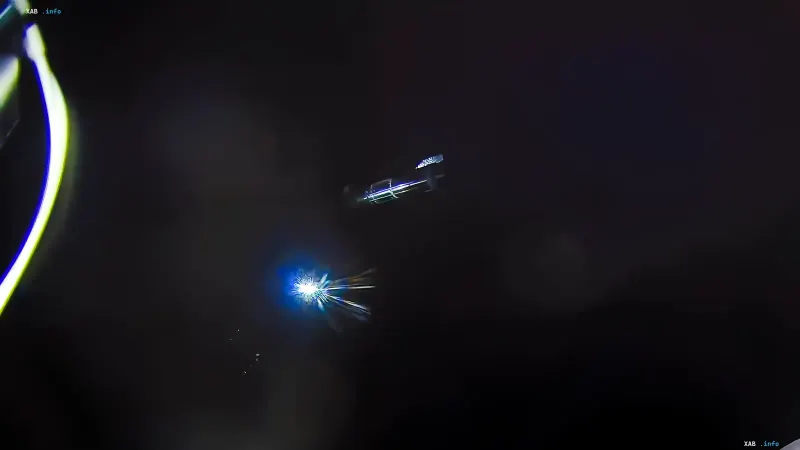
Furthermore, one of the new satellites performed a task to photograph the Starship carrier vehicle itself. The resulting image shows the silhouette of the spacecraft and a bright glow caused by engine operation or sunlight reflection. This frame became a unique documentary record of the interaction between the carrier and the payload.
Bandwidth Revolution
The launch of V3 units marks a qualitative leap in the development of satellite internet. According to the company's plans, the new satellites will provide bandwidth more than 10 times higher than the previous V2 generation. Each individual V3 unit will be capable of delivering over 1 Tbps of traffic.
The project's development strategy envisages a massive expansion of the constellation: it is planned to launch 10 times more units of the new type. Collectively, these measures should lead to an increase in the total capacity of the Starlink network by more than 100 times, which will radically change the capabilities of global high-speed internet coverage.