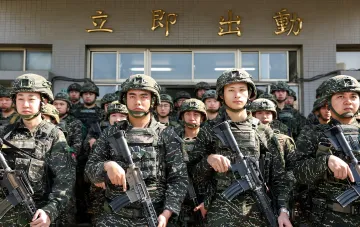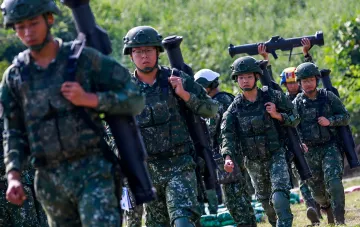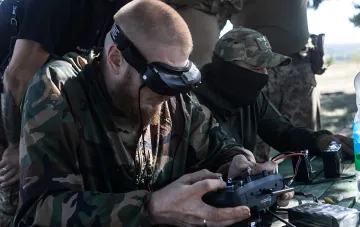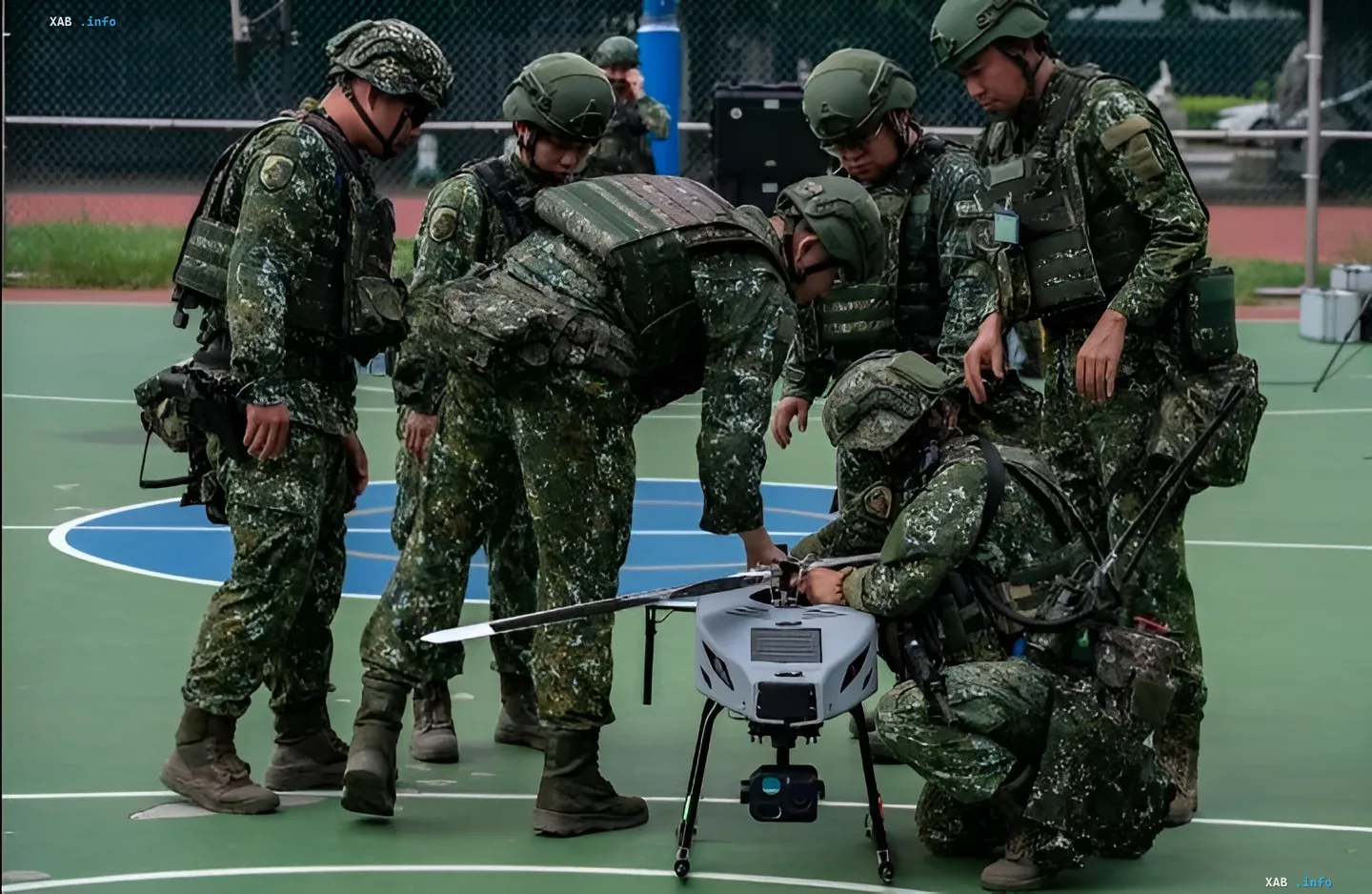
Amidst growing geopolitical tensions in East Asia, Taiwan is radically revising its defense doctrine. According to recent data published in authoritative sources, the island nation is shifting from a classic deterrence model to a strategy of asymmetric resistance. The cornerstone of this new strategy is the mass deployment of unmanned aerial and maritime vehicles, designed to compensate for the numerical and resource superiority of a potential adversary.
The 'David vs. Goliath' Strategy
Analysts note that Taiwan is actively studying the experience of armed conflicts on other theaters of war, particularly the war in Ukraine. The key lesson being absorbed by the Taiwanese command is the effectiveness of using cheap and mass-produced unmanned systems against high-tech but vulnerable armored vehicles and manpower. This concept, dubbed 'David vs. Goliath', implies abandoning attempts at direct head-on confrontation in favor of a war of attrition, where the enemy is inflicted with damage at minimal cost to the defender.
Procurement Plan and Production Scale
To implement this strategy, Taiwan plans large-scale procurement. According to sources, this involves the acquisition of more than 210,000 aerial and maritime drones. These systems will perform a wide range of tasks: from reconnaissance and target designation to the direct destruction of targets. Special attention is being paid to creating a domestic production base. By 2030, the island's authorities expect to ramp up drone production rates to 100,000 units per month. Such volume will allow for maintaining a high density of drone deployment in the event of active combat operations.
Contradictory Data
While the general strategy of asymmetric deterrence is a widely recognized fact in Taiwan's defense circles, there are discrepancies in estimates regarding the timelines and volumes of plan implementation. Some experts point out that the declared production volumes (100,000 drones per month) may be unachievable by 2030 due to a shortage of microelectronics and logistical complexities. At the same time, official statements from the authorities remain unchanged and optimistic, emphasizing readiness for the accelerated development of the defense industry.
Technological Sovereignty and Logistics
The development of its own drone industry is a matter of not only military but also technological sovereignty for Taiwan. Dependence on foreign suppliers in the event of a potential blockade could be fatal. Therefore, investments in the localization of component production and the assembly of final products are considered a critically important element of national security. It is expected that by 2030, Taiwanese drones will be capable not only of detecting but also autonomously striking targets at a significant distance from the coastline.
Conclusions and Prospects
The transition to a strategy of mass drone deployment indicates Taiwan's serious intent to prepare for a scenario of a prolonged and complex conflict. Integrating the experience of modern combat operations into the defense doctrine allows the island to create a flexible and adaptive defense system. However, the success of this strategy will depend on the industry's ability to meet the declared volumes and the quality of operator training under real combat conditions.