Taiwan is strengthening the defense of the Penghu archipelago — a cluster of around 90 islands and islets that, according to military assessments, could absorb the first wave of a strike in the event of a Chinese invasion attempt. As Reuters reported, citing senior Taiwanese officials and military experts, it is on these islands, known for their pristine beaches and coral reefs, that Taiwan's forward defensive line will be established.
The strategic significance of the archipelago
Holding Penghu, according to the agency's sources, allows Taiwan to stand up to the Chinese fleet as it moves toward the main island. To prevent its own ships and aircraft from becoming targets, Beijing will have to either seize Penghu or destroy the garrison's long-range missiles. By deploying weapons with greater range on the islands — in particular the Xunfeng III missiles — Taiwan is able to complicate the People's Liberation Army's buildup of forces along the coast and strike them even before they cross the strait. If Penghu were to be captured, the entire Taiwan Strait would effectively fall under Chinese control, an anonymous official noted, preferring to remain unnamed due to the sensitivity of the topic.
What has already been deployed on the islands
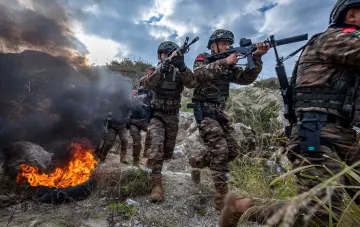
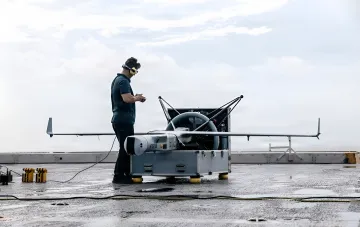
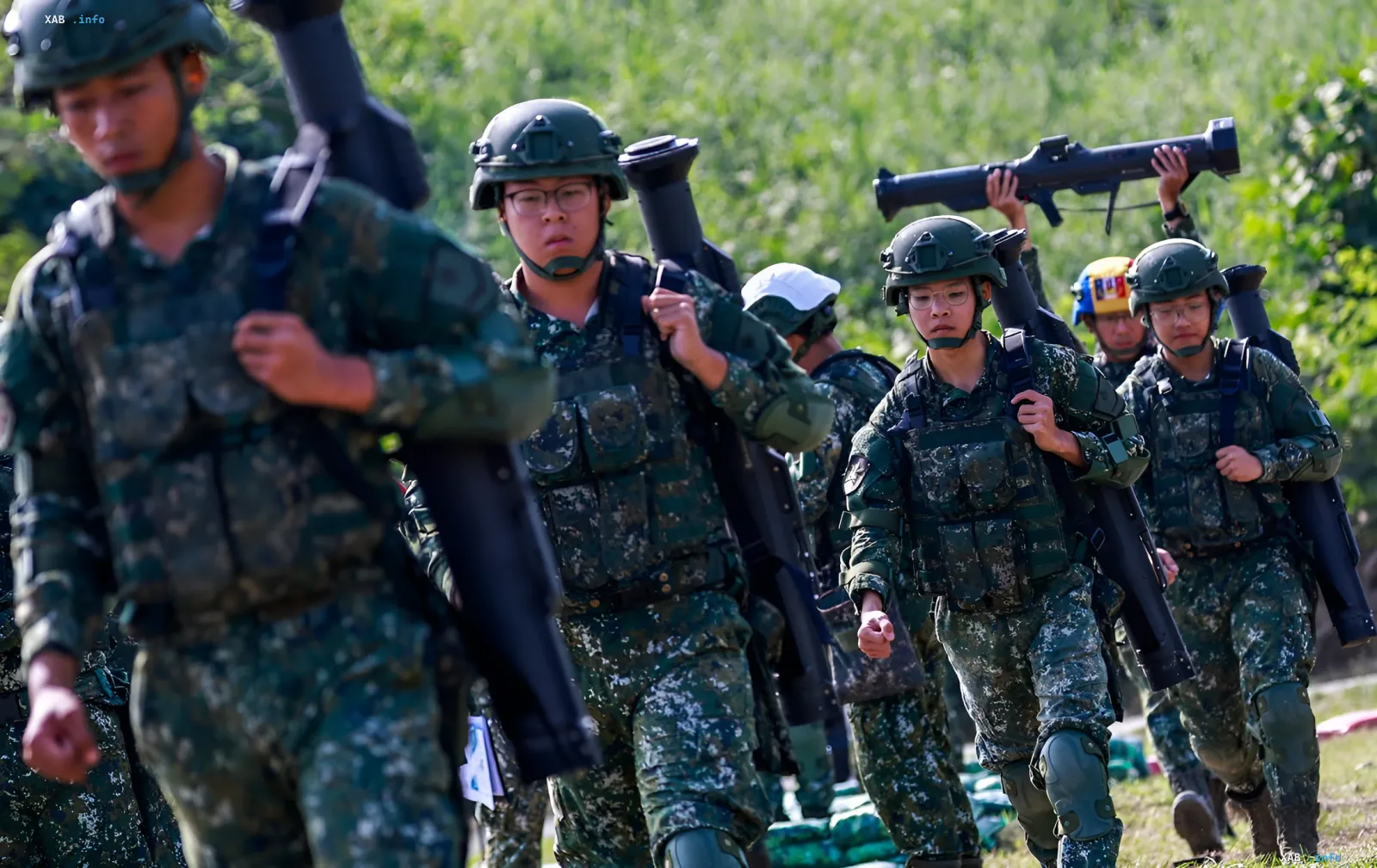
Preparations in Penghu are already visible in practice. During the August exercises, Taiwanese forces rehearsed repelling an amphibious landing, employing tanks, artillery, mortars, and infantry. At that time, mobile anti-ship missile systems of the Xunfeng family were deployed on the islands for the first time, and even earlier, in July, the first drone unit was established in Penghu.
Beijing's position and the international context
The Chinese Ministry of Defense did not respond to a query about Penghu. Earlier this year, a spokesperson for the ministry, Jiang Bin, called Taiwan's plans to fortify the islands "even more absurd and delusional" and warned of the "total destruction" of Taipei if it provoked a war. In June, Taiwan launched HIMARS rockets toward the Taiwan Strait for the first time, demonstrating how the island could repel a Chinese attack, and at the end of 2025 the United States approved the largest military aid package in history for Taiwan to strengthen the island's defense.
Exercise scenarios and their takeaways
Military concerns were also confirmed by staff exercises conducted last year with the participation of retired officers from the United States, Taiwan, and Japan. Under their scenario, Penghu fell just one day after China delivered sudden long-range strikes on military and infrastructure targets across Taiwan. The rapid capitulation shocked the Taiwanese participants in the exercises, organized by a think tank in Taipei — this is stated in a concise report that the agency reviewed.
Contradictory data
It is worth honestly reflecting the discrepancy between the versions. On the one hand, Taiwanese military and officials emphasize that the deployment of long-range missiles and drone units turns Penghu into the "tip" of the defense, capable of disrupting the PLA's buildup of forces even before the crossing. On the other hand, the results of last year's staff exercises show that under a sudden long-range strike the archipelago could be lost by the second day, and Beijing, through Jiang Bin, openly calls these plans "absurd" and "delusional." Thus, the real resilience of Penghu under a massive missile strike remains a matter of debate: proponents of the fortifications see in them a deterrent factor, whereas the exercise scenarios and PRC statements cast doubt on the islands' ability to hold the defense in the first hours of a conflict.
In any case, as Reuters' sources note, the Penghu archipelago has become a key element of Taiwan's defense doctrine: it is precisely its ability to withstand the first strike that will determine whether Taiwan can dictate the terms in the event of an escalation in the strait.