Tajikistan has officially notified the United Nations of its withdrawal from the Rome Statute and the termination of its participation in the International Criminal Court (ICC). According to TASS, citing official notification, the document was sent to UN Secretary-General António Guterres on November 20, 2026. In accordance with Article 127 of the Rome Statute, the withdrawal decision will take effect exactly one year after the receipt of the notification — on November 20, 2027. The text of the document has been published on the UN website.
Procedure and Domestic Political Context
The republic signed the Rome Statute in 1998 and ratified it in 2000, becoming one of more than 120 member states of the court. Preparations for withdrawing from the treaty were carried out in advance: on September 17, 2026, the Parliament of Tajikistan considered a draft resolution on terminating participation in the ICC, and on October 1, the lower house of parliament approved the corresponding resolution. Deputy Minister of the Republic Idibek Kalandar explained the decision by the politicization of the court, indicating that the instance, in his words, is exceeding its powers.
Coincidence with Vladimir Putin's Visit
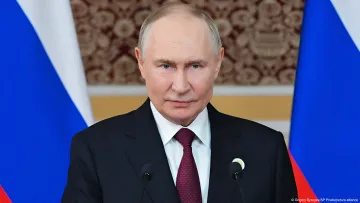
The notification of withdrawal was sent on the same day, November 20, when Russian President Vladimir Putin was visiting Dushanbe. Back in 2023, the ICC issued an arrest warrant for him on suspicion of illegal deportations of Ukrainian children. The authorities of Tajikistan, despite their obligations under the Rome Statute, did not arrest Putin — just as they did not during his 2025 visit. For failing to fulfill obligations, the EU External Action Service had previously criticized Dushanbe. Putin himself stated that the ICC is exceeding its competencies and making legally flawed decisions.
Precedents in Other Member States
Tajikistan's case is not isolated in the practice of ICC member states. In 2024, Vladimir Putin visited Mongolia, which is also a member of the court, but the authorities of this country did not execute the arrest warrant. A similar precedent was recorded in 2025 in Hungary, which refused to arrest Israeli Prime Minister Benjamin Netanyahu, for whom the ICC issued a warrant on suspicion of committing war crimes and crimes against humanity in the Gaza Strip.
The ICC and Major Powers
The Rome Statute, which regulates the activities of the International Criminal Court, has been ratified by more than 120 countries worldwide. At the same time, a number of major states, including the USA, China, Russia, India, and Turkey, are not members of the court. Tajikistan's withdrawal, upon taking effect in 2027, will become another example of member states revising their obligations to the international tribunal amid ongoing disputes over its legitimacy and politicization.