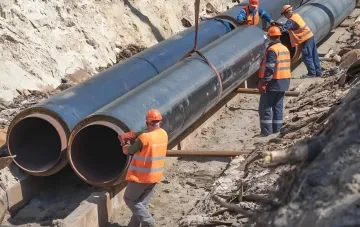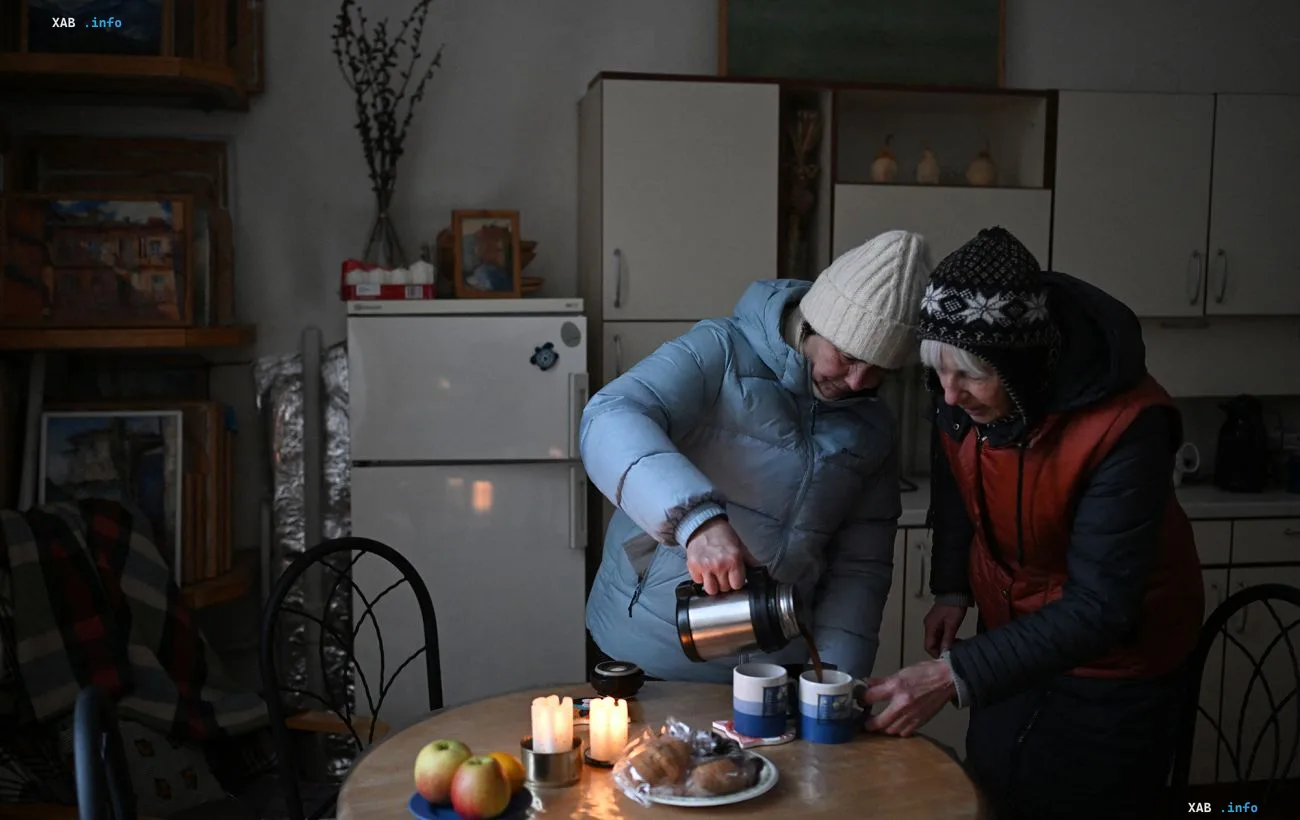
In the TereMKY-1 and TereMKY-2 residential districts of Kyiv, home to hundreds of thousands of people, a dispute has erupted in which one side of the scale holds green plantings and the other — the survival of people amid regular enemy strikes on the energy infrastructure. Last winter, when strikes on the TETS-5 power plant caused temperatures in TereMKY residents' apartments to drop to zero and water in the pipes of the "insert" (infill) buildings to freeze, the issue of the reserve heating pipeline came to the forefront. According to RBC-Ukraine, citing residents' accounts for Noviny.Live, local residents are convinced that a compromise with the authorities on preserving the trees has already been reached, and the priority now should be heat in homes. "Between the trees and heat for people, the priority must be people," residents summarize.
The winter when apartments were at zero degrees
One of the TereMKY residents, whose words are quoted by RBC-Ukraine, recalls: "I support the construction of this heating pipeline, because last winter the side where I live was hit very hard, since our only source of supply is TETS-5. It was +4 in the apartment, in some — 0 degrees. In the infill buildings even the water in the toilets froze, and people had to use portable toilets." According to him, at a meeting attended by representatives of the authorities, residents were told about the intention to connect their buildings to another boiler house by laying a reserve heating pipeline, and for many this became "a big plus." The resident emphasizes that he has heard and read the opinions of those against the construction, but believes: "We are now discussing — whether to lay reserve heat for a large number of residents or to preserve the trees. And in my personal opinion, the priority is people."
Compromise reached: 200 trees will remain, no more than 10 will be felled
As explained by the Kyiv City State Administration (KMSA), the construction of the reserve heating pipeline for the residents of TereMKY-1 and TereMKY-2 is one of the items of the Kyiv Resilience Plan. In July 2026, after work began, a group of public activists opposed the project due to the need to fell trees. On August 11, the city authorities suspended work for consultations with the public and experts. After nearly two months of discussions, a revised project was agreed upon: it provides for the preservation of about 200 trees, with felling of no more than 10. Thus, a conflict that could have dragged on for months was settled in favor of both ecology and heat in homes.
Contradictory data
Open sources show discrepancies in the figures regarding the scale of impact on green plantings. The headline of a Focus.ua publication from the period when work resumed reads: "More than 600 trees at risk: construction of a heating network resumed in TereMKY in Kyiv." This likely reflects the parameters of the original project before revision. Meanwhile, in the final version, agreed upon after two months of consultations, the discussion is about preserving around 200 trees and felling no more than 10. The difference between "600 at risk" and "up to 10 to be felled" is explained precisely by the fact that the project was revised. However, in a number of materials both figures coexist without a clear tie to the timeline, which may mislead the reader about the current scope of work.
Race against time: "Kyivteploenergo" must make it in time before the cold weather
The agreed revised project has already been handed over for implementation. Now the main task of "Kyivteploenergo" is to complete the laying of the reserve heating pipeline before the onset of stable cold weather. TereMKY residents warn that further protests and delays threaten that next winter, too, hundreds of thousands of residents will again be forced to freeze if TETS-5 is again knocked out as a result of enemy strikes. For a district where TETS-5 remains the only source of heat supply, the absence of a reserve loop means a systemic risk that last winter demonstrated in full.
Context: the Resilience Plan and Kyiv's energy vulnerability
Laying the reserve heating pipeline in TereMKY is not an isolated project but an element of a broader strategy that the city authorities call the Kyiv Resilience Plan. In conditions where the capital's energy infrastructure is regularly subjected to shelling, diversifying heat sources and creating reserve mains become not a question of comfort but of security. TereMKY, with its high density of development and dependence on a single power plant, has become a vivid example of how the lack of a reserve turns into a humanitarian problem for hundreds of thousands of people. The experience of the 2025/2026 winter, when temperatures in apartments dropped to zero and water in the pipes froze, became an argument that, it seems, outweighed the ecological objections in favor of completing the construction as soon as possible.