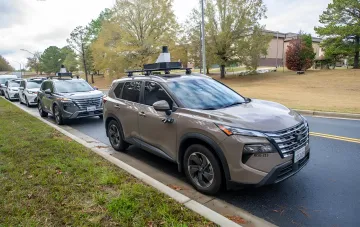
Tesla's autonomous taxi service has shifted to a 24/7 operating mode in all cities where autonomous rides are already available. According to entrepreneur and investor Sawyer Merritt, robotaxis can now be ordered at any time of day, with nighttime restrictions lifted. The company calls this the next phase of expanding the autonomous transport project, which Elon Musk is developing against the backdrop of the mass production launch of the Cybercab model.
Geography: Texas and Florida
The list of cities where robotaxis now operate 24/7 includes Austin, San Antonio, Houston, Fort Worth, and Dallas in Texas, as well as Miami, Orlando, and Tampa in Florida. Previously, the availability of rides in these locations was limited to certain time windows, narrowing the service's audience. Removing time limits means passengers can hail an autonomous taxi in the early morning hours as well as late at night.
What is Cybercab
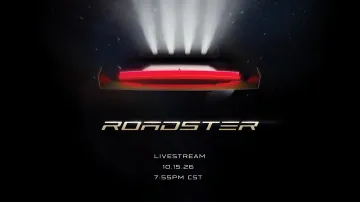
The core fleet consists of the Tesla Cybercab, a two-seater electric robotaxi without a steering wheel or pedals. The vehicle is equipped with butterfly doors and a large screen, and is controlled by a neural network operating on camera data. In 2026, Tesla launched mass production of this model and opened passenger transport in US cities, making the subsequent expansion of the service schedule possible.
Why the Company Needs Around-the-Clock Operation
Expanding the operating schedule directly impacts fleet utilization: cars that previously sat idle during nighttime hours are now generating trips. For passengers, this makes the service more attractive, especially for those who need transport late in the evening or at night when alternatives are limited. In effect, Tesla is transforming the robotaxi from a pilot project with operational windows into a full-fledged 24/7 transportation service.
Regulatory Context
Tesla's expansion is taking place against the backdrop of contrasting dynamics in other jurisdictions. For instance, regulators in China previously introduced a pause in issuing new licenses for autonomous taxis following a series of incidents, including a Baidu robotaxi malfunction that paralyzed traffic in Wuhan. Against this background, lifting nighttime restrictions in the US looks like a signal that the regulatory environment in the American market currently allows operators to scale up autonomous transport volumes.