August 11, 2026. — Amidst the anomalous heatwave sweeping many regions of the planet this August, gardeners face a critical need to revise established agricultural practices. Experts in botany and landscape design, citing data from Daily Express and Styler, warn: an improper watering schedule during peak summer temperatures can lead to the death of even the most resilient crops. The key factor in a garden's survival is not the amount of water, but the strict adherence to specific timing for its application.
The Critical Window: Why before 10 AM is a matter of life and death
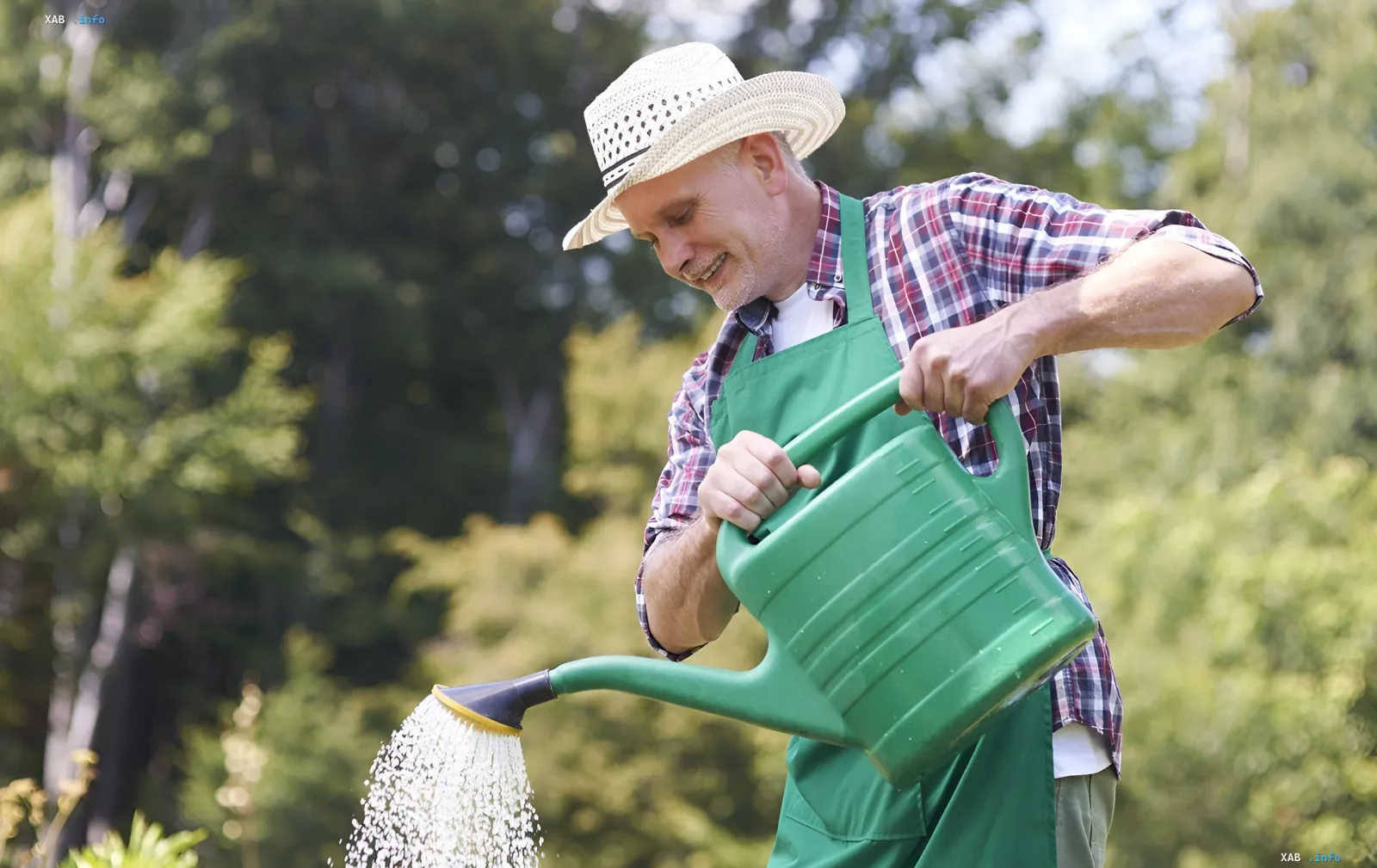
According to current expert recommendations, there are only two safe time intervals for irrigating plants: early morning and late evening. However, morning watering is the priority and must be completed before 10:00 AM. During this period, the soil has time to fully absorb moisture before the sun begins to evaporate it from the surface. Furthermore, water droplets remaining on the leaves have time to dry under the influence of daytime heat, which is a critically important factor in preventing fungal diseases and mold, which thrive in humid environments.
Plant Physiology: Why daytime watering is prohibited
The categorical ban on watering in the middle of the day, when the sun is most active, is due not only to moisture loss but also to physiological processes within the plant itself. According to experts, the majority of water poured onto beds during the midday heat simply evaporates into the atmosphere without reaching the root system. Moreover, a sharp temperature drop caused by cold water hitting scorching leaves and soil can trigger heat shock, leading to burns and wilting. Evening watering is permissible as an alternative, but requires caution: leaves should not remain excessively wet throughout the night to avoid the development of pathogenic microflora.
The "Deep Watering" Strategy: Less, but more effective
Under conditions of moisture deficit and high air temperatures, the hydration strategy also changes. The secret to success lies in the principle of "less often, but more abundantly." Frequent surface watering stimulates roots to remain in the top layer of soil, where they dry out quickly. Abundant watering, however, forces plants to develop a robust root system that penetrates deep into the ground in search of moisture, making the plant more drought-resistant. This is particularly relevant for plants in pots and containers, which dry out significantly faster than crops in open ground.
Thirst Diagnosis: How to determine water needs
Gardeners should learn to read the signals sent by their plants. The main indicators of thirst are wilted or curled leaves, as well as soil that begins to pull away from the pot walls. Additional alarming symptoms include pale foliage or signs resembling sunburn. It is also necessary to pay attention to the color of the soil: dry soil looks lighter and dustier, whereas moist soil has a dark, rich color and clumps easily when squeezed in the hand. In August 2026, when temperatures reach peak levels, daily monitoring of these indicators becomes a mandatory procedure.