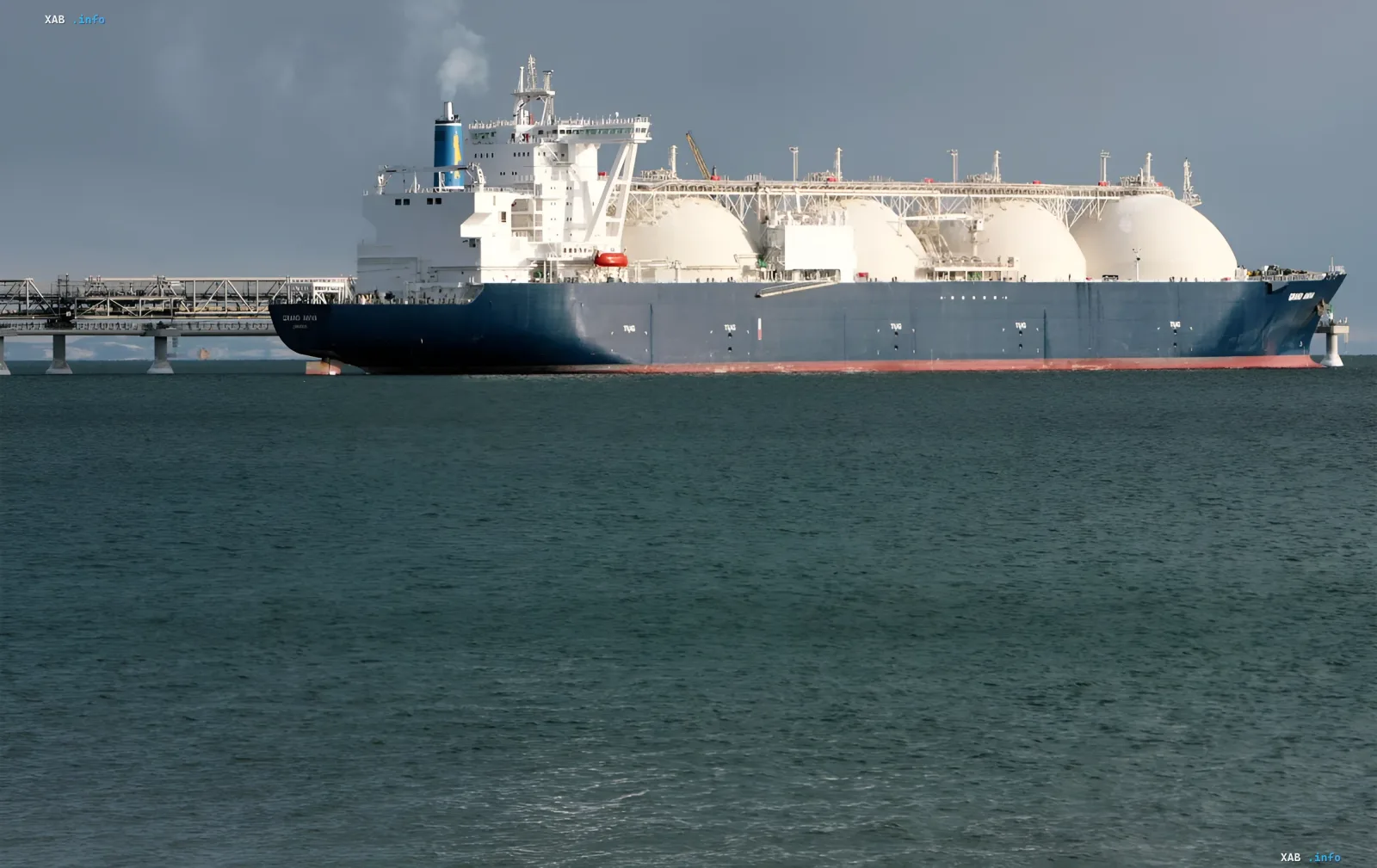
The energy map of Europe has undergone unexpected changes against the backdrop of the escalation of the conflict in the Middle East. In July of this year, Belgium found itself in a situation where 100% of the imported liquefied natural gas (LNG) came from Russia. This fact became a direct consequence of disruptions in global logistics chains caused by military actions.
Logistical Collapse and Change of Suppliers
The reason for the sharp turn towards Russian fuel was disruptions in shipping in the Strait of Hormuz. Tensions in the region led to a reduction in LNG supplies from traditional sources, forcing European buyers to seek alternatives. In conditions of shortage and high prices, many European countries refrained from purchasing to build winter reserves, however, Belgium was forced to act promptly.
According to data from Bloomberg, in July the total volume of LNG imports to Belgium decreased by more than 40% compared to the same period last year. Nevertheless, the country purchased about 0.4 million tons of liquefied gas from Russia. To maintain the energy balance, Belgium also continues to receive pipeline gas from Norway and the United Kingdom.
Contradiction with EU Policy
The situation in Belgium creates serious difficulties for the implementation of Brussels' energy strategy. Since April, the European Union has been operating a ban on concluding new short-term contracts for Russian LNG, and a complete ban on its import is supposed to come into force next year. The actual use of Russian gas in July demonstrates a gap between declared goals and market reality.
Statistics confirm that dependence on Russian fuel persists. According to the German non-profit organization Urgewald, in the first half of 2026, EU countries imported 16% more Russian LNG than the previous year. Almost 6 billion euros were spent on these purchases. The largest buyers in the union became France, Belgium, and Spain.
Risks of the Winter Season
Russia remains the second largest supplier of LNG to the European Union after the USA. Against the backdrop of low gas reserves in European storage facilities and uncertainty regarding supplies from the Middle East, experts are beginning to doubt the realism of plans to completely abandon Russian LNG within the established deadlines.
At the same time, officials in Brussels state that the plan for a complete ban on Russian LNG starting next year remains in force. However, the risks remain high: earlier, Reuters reported that Europe might not manage to fill gas storage facilities to the target level of 80% before the start of the heating season. Among the main reasons cited are the tense situation in the world market and fierce competition from Asian buyers, who are diverting part of the liquefied gas supplies to themselves.