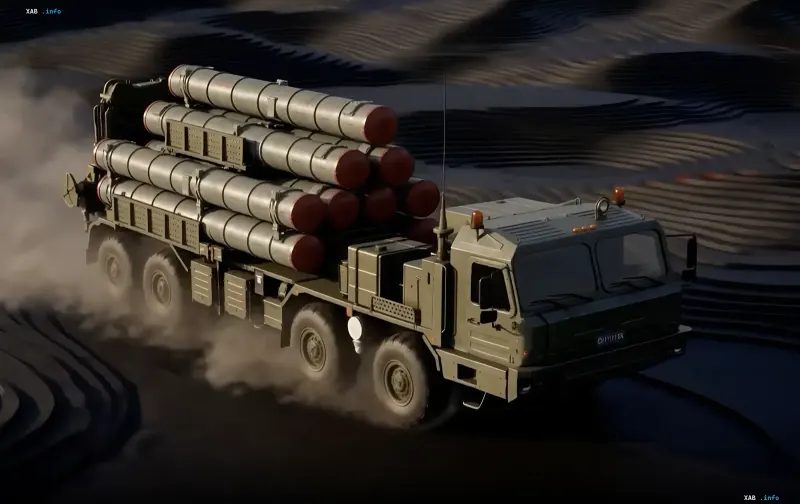
Fighters of the Third Separate Assault Brigade of the Armed Forces of Ukraine have carried out a successful front-line operation, marking a unique milestone. For the first time since the full-scale conflict began, the servicemen eliminated a rare Russian military asset — a transport-loader vehicle (TLV) designed to reload the Buk-M3 anti-aircraft missile system. The unit's press service shared this information, publishing accompanying video footage confirming the strike.
Operation Details and Drone Warfare
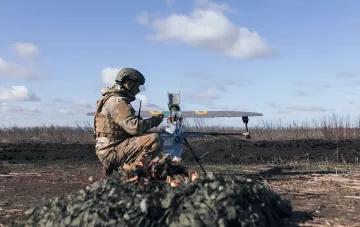
The hunt for this high-value equipment was conducted by the Third Assault Brigade's unmanned systems battalion. Strike wing operators from the Skyfom platoon, operating along the lines of the Third Army Corps, tracked down the armored vehicle carrying a full combat load of guided anti-aircraft missiles. As a result of a precision FPV drone attack, the detonation of the ammunition led to the complete destruction of the enemy transport-loader. Experts note that this is the first documented and confirmed hit on this specific vehicle modification.
Combat Context and Operation Vivaldi
The successful deployment of unmanned aviation fits seamlessly into the broader strategy of Ukrainian forces in the eastern sector. Earlier reports indicated that the Third Army Corps continues active efforts to liberate territory in the Donetsk region as part of a large-scale offensive operation codenamed 'Vivaldi.' In certain frontline sectors, fighters are not only destroying scarce enemy equipment but also capturing Russian soldiers to replenish the prisoner exchange fund.
Significance of the Loss for Air Defense
The loss of a transport-loader vehicle for the Buk-M3 complex delivers a severe blow to the logistics and combat readiness of enemy air defense units in this specific sector. Without specialized TLVs, reloading heavy anti-aircraft missile systems in field conditions becomes an extremely difficult process, reducing the overall intensity of enemy air defense operations. Analysts emphasize that the systematic destruction of logistical support elements and rear infrastructure is a key factor in weakening Russian military positions amid the ongoing conflict.