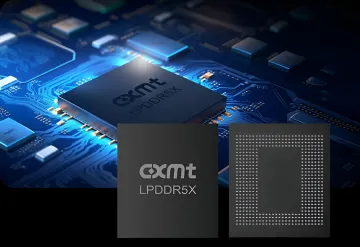
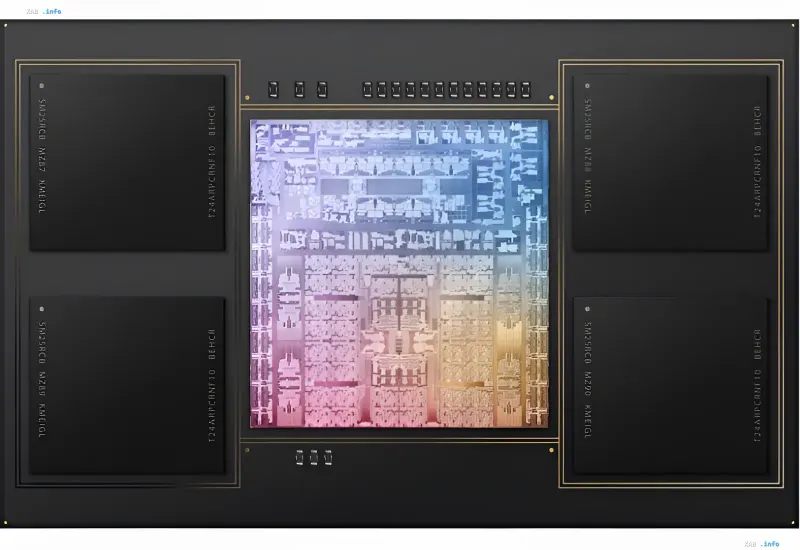
Questions about whether Apple plans to purchase memory from Chinese manufacturers, specifically CXMT and YMTC, have been discussed in the industry for a month. However, it was only during the quarterly earnings call that the leadership of the American corporation officially commented on the situation for the first time. CEO Tim Cook confirmed that the company is indeed ready to consider candidates outside the traditional trio of the world's largest suppliers.
Rising Costs and Procurement Strategy
During the quarterly review, Cook drew attention to the dynamics of expenses. In the first quarter of the current year, Apple spent more on memory procurement than in the fourth quarter of the previous year. In the second quarter, as expected, costs continued to rise. According to the company head, memory expenses will be even higher in the current period.
However, Apple managed to partially curb the growth of the cost of goods sold due to several factors:
- Utilization of carryover inventory purchased in previous reporting periods at lower prices. Cook noted that this effect will diminish in subsequent periods.
- Reduction in costs for other components, which allowed compensating for the price increase of memory.
Tim Cook warned that in the fourth calendar quarter and in later periods, memory prices will continue to rise.
Seeking Alternatives to the Monopoly
A key point of the speech was the admission of dependence on a limited circle of suppliers. In the RAM market, the main volumes of supply are controlled by three giants: Samsung, SK hynix, and Micron.
"Obviously, if there were more suppliers, that would be good, and it would help us in terms of supply and possibly prices. It's hard to say specifically about prices, but it would definitely help with supply. We are looking at all possibilities," Tim Cook admitted.
These words became an indirect confirmation of rumors that Apple is considering the possibility of diversifying memory suppliers, including Chinese manufacturers, to reduce the risks of shortages and dependence on dominant market players.