Japanese automotive giant Toyota Motor Group has announced a large-scale technological strategy starting in 2028. The company intends to channel massive investments into the automation and robotics of its production lines, allocating $6.42 billion annually for this purpose. This initiative is designed to usher in a brand-new phase in the global automotive industry, enhance overall plant efficiency, and radically modernize manufacturing processes.
Scale of Robotics and Equipment Distribution
According to the unveiled plan, a total of 400,000 robots will be introduced across the group's plants. Of this figure, 150,000 devices will be directly deployed at Toyota's vehicle assembly plants, while the remaining 250,000 machines will be distributed among the group's component and material manufacturing facilities. This move is seen as a crucial tool for maintaining the company's technological leadership amidst fierce global competition.
Introduction of Humanoids and Training Methods
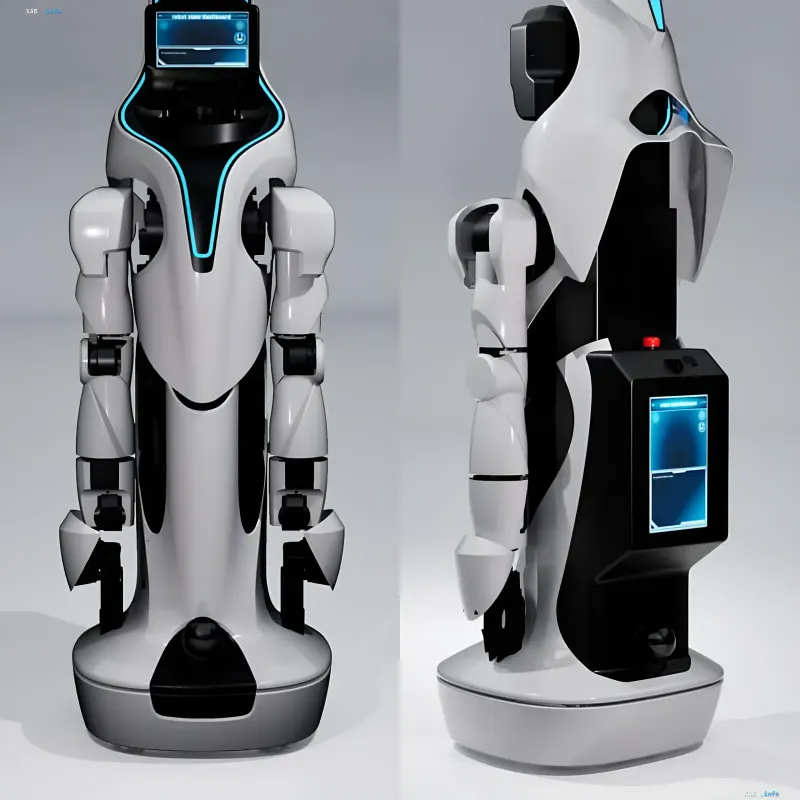
Already today, Toyota is actively introducing humanoid robots named ELOY on its assembly lines. These wheeled devices possess the unique ability to learn directly from human operators. Workers wear special gloves replicating the shape of the robot's fingers and demonstrate complex movements requiring fine motor skills. At the same time, management emphasizes that robots will not replace humans but will merely serve as production assistants.
Contradictory Data
While Toyota's official representatives state that the massive deployment of 400,000 robots is not aimed at mass layoffs but rather at offsetting labor shortages and an aging workforce, independent experts and trade unions express serious concern. Discussions arise regarding the real economic consequences of replacing human labor, the safety of human-robot collaboration on the factory floor, and potential hidden risks of job losses amid rapid technological progress in the automotive industry.
Market Context and Global Trends
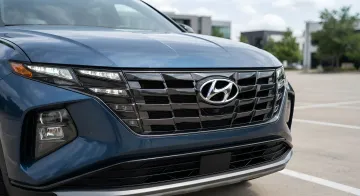
Other market players are joining the massive robotics race. South Korean company Hyundai plans to deploy Atlas humanoids, developed by its American subsidiary Boston Dynamics, also starting in 2028. In parallel, Chinese electric vehicle manufacturers Xpeng and Nio are actively developing their own humanoid systems, confirming the global trend toward deep robotics integration in the automotive sector.