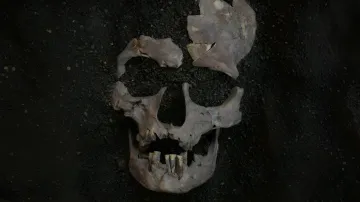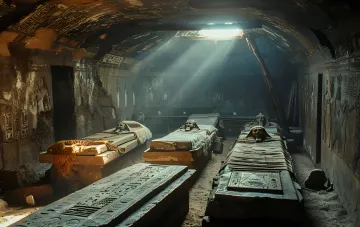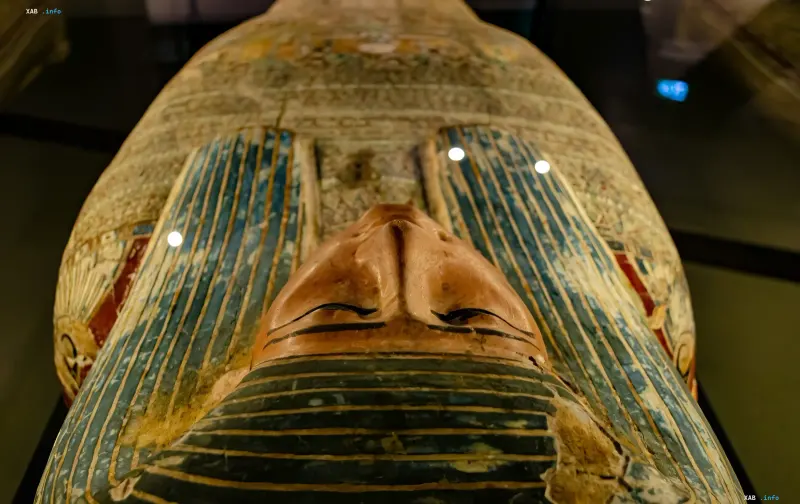
In 2026, when technology allows us to delve into the depths of history, ancient artifacts have become the subject of not only scientific interest but also illegal commerce. However, behind the facade of exoticism lies a serious health threat, which modern scientists warn about. We are not talking about mystical curses, but about real biological and chemical risks associated with the trade of human remains.
Growth of the Illegal Market and Digitalization of Trade
According to the latest data, the market for trading parts of ancient bodies, operating in a semi-illegal mode, is showing significant growth. This is facilitated by social networks, e-commerce platforms, and online auctions, which simplify access to rare and dangerous goods. An analysis of 128 publications on Meta platforms, as well as on specialized trading sites, revealed numerous cases of selling remains with clear signs of biological decay.
The key problem is the complete lack of awareness of risks on the part of the participants in the transactions. Sellers, as a rule, do not provide any safety instructions, sending dangerous cargo through regular postal services. This creates a situation where buyers and logistics workers face a threat without having either training or protective equipment.
Biological and Chemical Dangers of Remains
The danger of ancient mummies is twofold: chemical and biological. The processes of artificial or natural mummification, used for centuries, often included the use of heavy metals to slow down tissue decomposition. The composition of preservatives included arsenic, mercury, and lead, which can remain in tissues for millennia, posing a toxic threat upon contact.
No less dangerous are dormant microorganisms preserved in the remains. During the transportation or movement of mummies, fungal spores can enter the atmosphere. Scientists remind us of historical precedents: it was precisely the inhalation of Aspergillus fungal spores that caused the death of 10 out of 12 scientists who opened the tomb of King Casimir IV in Krakow in the 1970s. There is also a version that a similar infection could have been the cause of Lord Carnarvon's death after the opening of Tutankhamun's tomb in 1923.
Threat to the Logistics Chain
The study showed that the danger extends far beyond the circle of collectors. Due to the use of courier and postal services for the transportation of mummified remains, thousands of people working in logistics are at risk. Warehouse workers, drivers, transport hub employees, and customs officers, as a rule, do not wear personal protective equipment upon first contact with such shipments.
Kirsty Squires, a professor of human bioarchaeology at the University of Staffordshire, emphasizes that traders often store remains in domestic conditions—for example, in rooms of residential buildings, without protective cases and temperature control. This creates ideal conditions for the spread of pathogens in the environment.