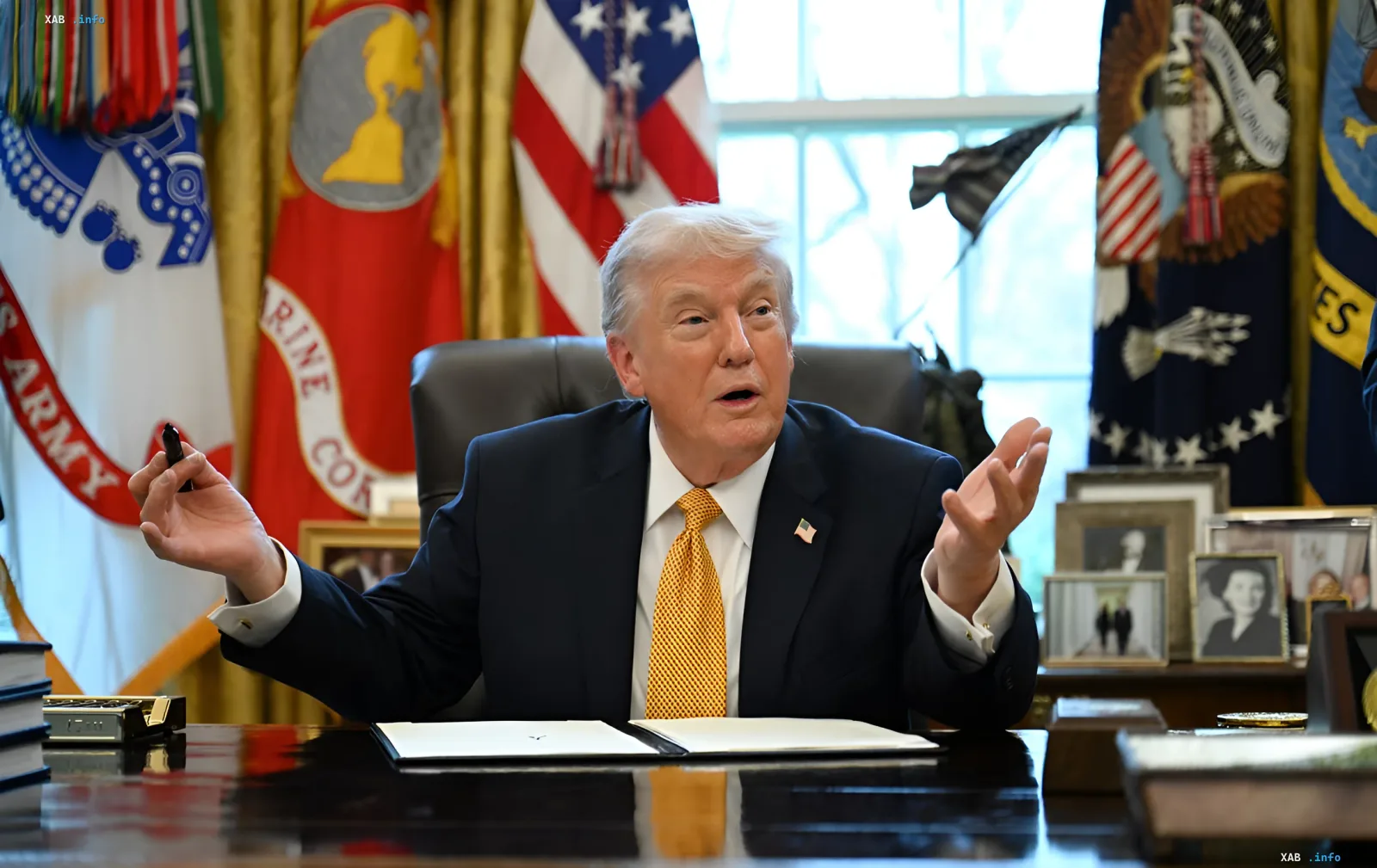
Washington, according to a statement by U.S. President Donald Trump, has begun preparing a large-scale agreement on the purchase of potash fertilizers from Belarus. The head of state announced this on his social network Truth Social, emphasizing that the cost of Belarusian products would be “significantly lower” than what the United States is currently paying Canada. According to Trump, such an arrangement would be “very good news” for American farmers and livestock breeders. The statement was made on September 21, 2026, and quickly became one of the most discussed topics in the agricultural and trade segments.
Trump’s Statement and the Actual Scale of the Agreement
It is important to distinguish between rhetoric and the legal status of the document. Trump explicitly stated that the U.S. is “working on concluding” the agreement, meaning this is the preparation stage, not an already signed contract. At the same time, the president did not specify the exact volumes of supplies, the start dates, or the payment mechanisms. This means that at the time of the statement, no certified document exists, and any estimates of cost and logistics remain preliminary. Nevertheless, the very fact of a public announcement by the head of state is traditionally perceived by markets as a signal of Washington’s serious intention to revise the structure of fertilizer imports.
Context: Trade Confrontation with Canada
The announcement of the deal with Minsk came against the backdrop of escalating trade relations between Washington and Ottawa. The U.S. introduced new tariffs on a range of Canadian goods, after which Canada announced reciprocal restrictions on American products. Under these conditions, Washington is actively seeking ways to diversify supplies of certain categories of goods, above all fertilizers, which remain one of the key imported segments for American agriculture. Canada has for a long time been one of the main suppliers of potash fertilizers to the U.S. market, and it is from Canada that Trump, in his own words, intends to partially move away in favor of more favorable prices.
Belarus’s Role and the Sanctions Knot
Belarus is among the world’s largest producers of potash fertilizers, however, trade in its products with Western countries has for many years been restricted by a sanctions regime. Notably, in May 2026, as reported, the U.S. had approached Ukraine, Poland, and Lithuania with a request to consider easing restrictions on Belarusian potash fertilizers, proposing, in particular, to restore their transit through these countries bypassing Russia. Thus, the potential deal mentioned by Trump logically continues the line initiated back in the spring and may become the practical result of these diplomatic steps. Without lifting or easing the sanctions barriers and organizing transit, the implementation of the agreement in the announced form is impossible.
What This Means for American Farmers
For the U.S. agricultural sector, a potential price drop in potash fertilizers is a factor that directly affects production costs. Potassium is one of the three basic elements of plant nutrition, and its cost is noticeably reflected in the expenses of farmers and livestock breeders. If the stated price difference between Belarusian and Canadian products is confirmed in practice, this could reduce pressure on prices in agriculture. At the same time, experts and market participants will be waiting for specifics: without specifying volumes, deadlines, and logistical conditions, the announcement remains a political signal, not a ready commercial deal.