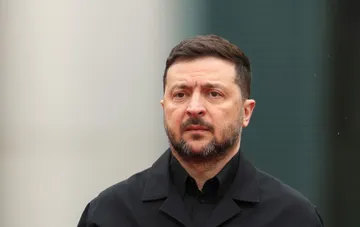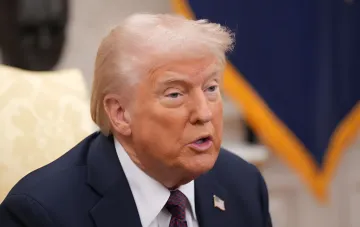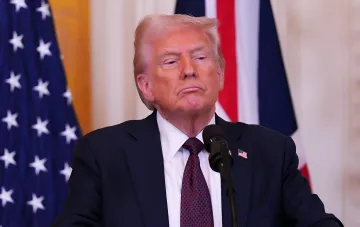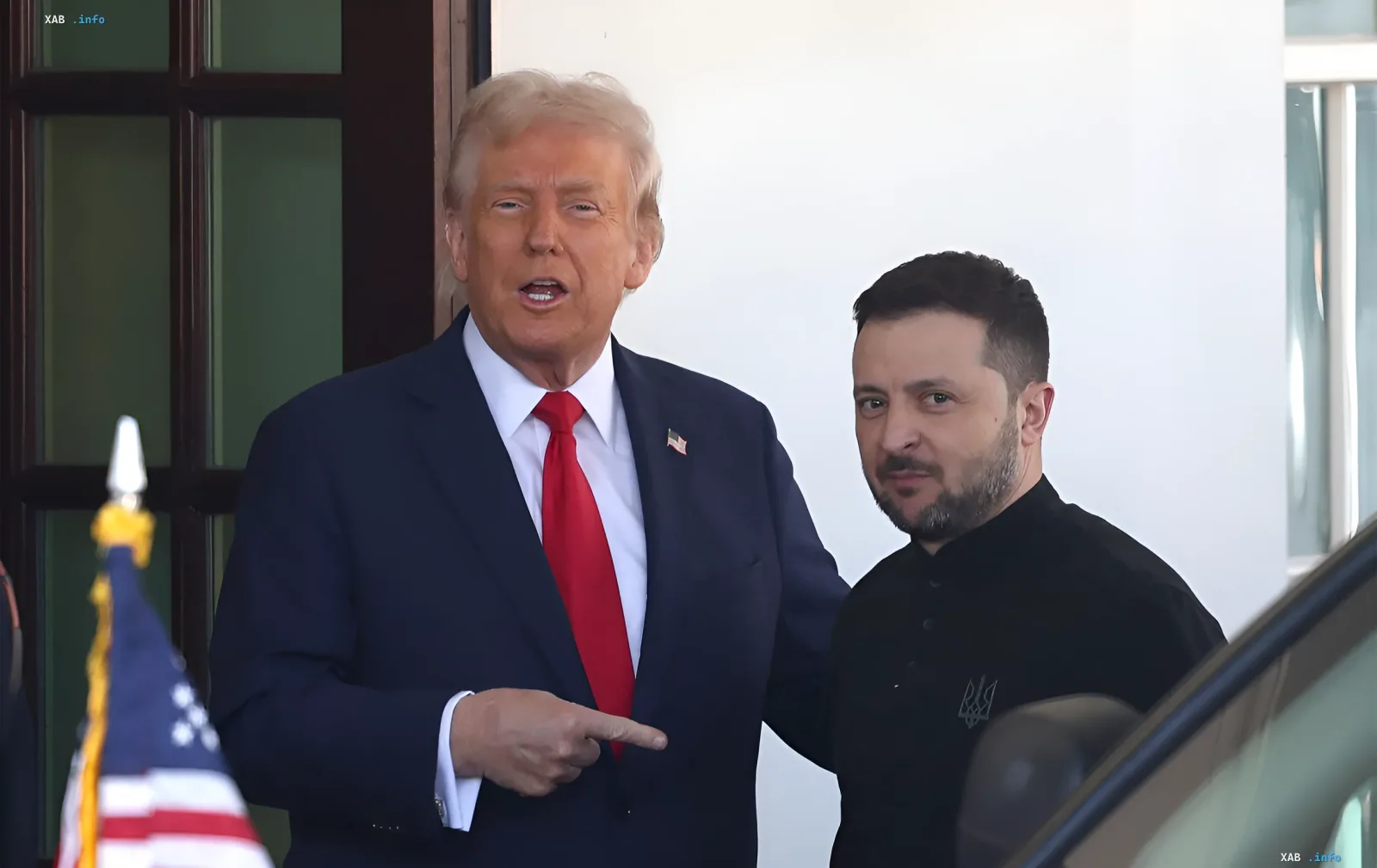
US President Donald Trump once again publicly linked the rise in global diesel fuel prices with strikes by the Armed Forces of Ukraine on Russian oil-processing infrastructure. According to him, a significant share of diesel on the market comes from Russia, and Russian facilities, he claimed, are "under attack from Ukraine." In this regard, as the American leader stated, he "asked President Zelensky not to strike diesel production facilities, refineries." This is reported by RBC-Ukraine, citing a White House broadcast.
The fuel argument and interrupting journalists
When asked whether this means the war in Ukraine could soon end, Trump, according to the broadcast, interrupted the journalists and returned to the topic of fuel prices, emphasizing that the rise in diesel costs "harms the entire world" and that this situation "needs to be stopped." Thus, the US president effectively made fuel cost the central argument in his public rhetoric around the conflict, without disclosing specific data on what share of global diesel depends on Russian refineries or how exactly strikes on them correlate with price dynamics.
Gaza, hostages, and the "success" of special envoys
Journalists also asked Trump whether CIA Director John Ratcliffe would play a more significant role in the negotiations and whether he had concerns about the ability of special envoys Steve Witkoff and Jared Kushner to strike a deal. Trump replied that "Ratcliffe is doing a great job," and as an example of the "success" of Witkoff and Kushner, he cited the situation in Gaza. According to him, "we brought back all the hostages," there is "not so much fighting in Gaza right now," and Hamas is "ready to give up its weapons." "They did an incredible job. No one else could have handled this task," the American leader declared, without providing independent confirmation of the claims about the impending disarmament.
Patriot: a "less refined version" and stockpile buildup
Separately, Trump commented on the topic of transferring to Ukraine licenses for Patriot air defense missile systems. According to him, this concerns a "less refined version." When asked whether NATO allies would transfer Patriot missiles from their own stockpiles or from those received from the US, the US president replied that Washington has a "large stockpile of certain types of weapons." "As for the 'elite' ones, most of that was transferred to Ukraine, but now we are producing it very quickly. We are rapidly building up our stockpiles. We are now producing more Patriots than ever before," he summarized.
Contradictory data
There are notable discrepancies in the wording of different outlets and in Trump's own rhetoric. Some media (for example, glavred.info) frame the statement as a "hard ultimatum" to Zelensky, while RBC-Ukraine, TASS, and novosti.ua use softer wording — Trump "asked" or "called on" Ukraine to stop the strikes. In other words, it is either a request or a demand — and Trump himself uses the word "asked" in the quote. Moreover, the causal link between strikes on refineries and rising diesel prices is an assertion by the US president himself and is not confirmed in the provided materials by independent price or logistics analysis. Finally, chronologically: less than a day before these statements, Trump had already said that Ukraine "cannot" strike Russian infrastructure because of a "global diesel fuel shortage" and that Zelensky "should change tactics," indicating that his position is recurring rather than one-off.
Context: strikes on refineries on the night of September 13
Trump's statements came against the backdrop of fresh strikes: on the night of September 13, the Defense Forces of Ukraine hit two Russian refineries — in Krasnodar Krai and in Tatarstan, with fires recorded at both facilities. Thus, Washington's public demand to stop attacks on oil-processing facilities coincided in time with the new strikes, amplifying the resonance of the statement and making it a key element of diplomatic pressure on Kyiv in the current phase of the conflict.