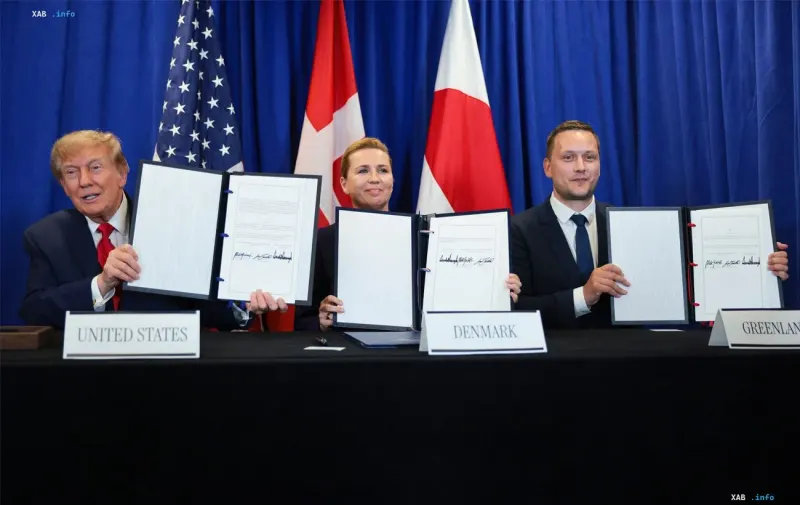
On September 22, 2026, in Washington, an event took place that observers are calling a turning point for the entire Arctic geopolitics: US President Donald Trump, Danish Prime Minister Mette Frederiksen, and the head of the Greenlandic government Jens-Frederik Nielsen signed a new agreement on the security of the island. The document, on which the parties had been negotiating for several months, grants the United States the right to "develop a significant military presence" in Greenland and, in effect, puts an end to the long-running debate over the future of the strategic Arctic island. This was reported by RBC-Ukraine, citing a statement from the White House on the social network X.
Key provisions of the new agreement
According to the text of the document, the United States is authorized to establish two military facilities on Greenlandic territory: a base near Narsarsuaq in the southern part of the island and a base in Mestersvig in the east. In addition, the agreement contains a provision prohibiting "Washington's adversaries" from building their own military bases on Greenlandic territory. According to Jens-Frederik Nielsen, the new document does not replace but continues the 1951 historical agreement, which laid the foundation for the American military presence on the island. Thus, Washington formally secures its status as a permanent defense partner of Greenland while expanding the scale of its infrastructure.
Reactions from the parties: from a "milestone in relations" to the "end of speculation"
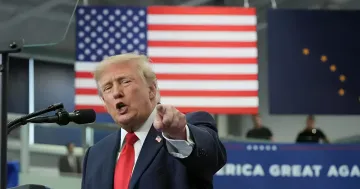
Jens-Frederik Nielsen, commenting on the signing, emphasized that the agreement is intended to "put an end to all speculation about which side Greenland is on." "We will continue to be friends of the United States and part of the Western alliance," the head of the Greenlandic government stated. Mette Frederiksen, for her part, called the document a "milestone in the long-standing relationship" between Washington and Copenhagen and stressed that the new agreement is "bigger and better" than the 1951 treaty. "An agreement that can last forever," the Danish prime minister added. Donald Trump, addressing journalists, thanked both leaders and assured: "We will have fantastic and reliable relations. This is wonderful for Europe and the United States. And for everyone. And it will be wonderful for Greenland as well."
Context: months of debate and strategic calculation
The signing of the agreement was the culmination of several months of tense discussions about the future of Greenland. Earlier, as RBC-Ukraine reported, Washington had already stated its intention to resume and expand its military presence on the island, and Trump publicly promised that the United States, Denmark, and Greenland would conclude a document giving the American side "permanent control over the security of the island." The strategic significance of Greenland for Washington is determined by its location in the Arctic region: the island controls key maritime routes, and its territory includes early-warning and space-monitoring facilities. In the context of intensifying great-power competition for influence in the Arctic, securing the American military presence is seen as a preventive step aimed at excluding alternative military bases on the island.
What this means for the regional security architecture
The new agreement effectively transforms the 1951 format of relations into a broader and longer-term treaty, in which Greenland appears not merely as a territory under Danish sovereignty but as an independent political actor signing the document on equal footing with the two capitals. For Copenhagen, this means preserving sovereignty while simultaneously recognizing the American defense role; for Washington — legitimizing and expanding its infrastructure; for Nuuk — the formal entrenchment of its status as "part of the Western alliance" and protection from external pressure. Experts note that the provision banning bases for "Washington's adversaries" makes the document not only defensive but also deterrent toward third countries, giving the agreement a distinctly geopolitical character.