The situation in the Middle East has changed dramatically after US President Donald Trump decided to suspend a massive campaign of airstrikes on Iran. The operation, which lasted for 13 consecutive nights, has been put on hold, immediately impacting global markets and the diplomatic agenda.
Reasons for the Pause: From Exhausted Targets to Ammunition Shortages
The White House's decision to halt attacks was made following a detailed assessment of the situation by the military command. According to Reuters sources, US military officials reported to the President that the list of priority targets has been almost exhausted. However, the key factor restraining further escalation was a critical shortage of resources.
Chairman of the Joint Chiefs of Staff General Dan Kane warned the administration about the depletion of ammunition stocks necessary for air defense systems. As reported by The Wall Street Journal, one of the main reasons for canceling planned operations was the exhaustion of Patriot interceptor missile stocks, making the continuation of the conflict risky for the US itself.
The Oil Market Reacts Instantly
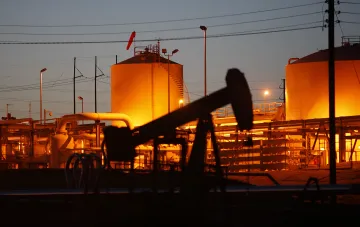
News of the freeze on hostilities caused a storm on global exchanges. The price of Brent crude oil, which last week surpassed the psychological mark of $100 per barrel for the first time since May, plummeted by more than 8% on Monday. The price dropped below $89, signaling a reduction in the risks of a global energy crisis.
Tehran Rejects Rumors of a Request for Talks
Despite US statements about readiness to provide space for diplomacy, Iran's position remains firm. The official spokesperson for the Iranian Ministry of Foreign Affairs, Esmaeil Baghai, categorically refuted reports that Tehran had asked Washington to resume the negotiation process.
"Reports that Iran has asked for talks with the US are fabricated. This is not in our DNA," Baghai stated. At the same time, he emphasized that Iran does not reject diplomatic mechanisms and contacts between the parties continue through intermediaries. In response to the American pause, Iran also announced a halt to its own attacks.
The Struggle for Control over the Strait of Hormuz
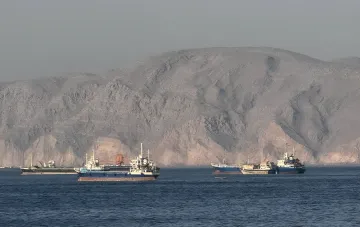
Parallel to the military confrontation, the situation around the Strait of Hormuz—one of the most important routes for global oil trade—has intensified. Iranian authorities stated that they still maintain full control over the waterway.
State media in Iran reported that early Monday morning, six vessels attempted to pass through the strait without Tehran's permission. According to the Iranian side, these vessels were turned back, and one of them was involved in an accident. Iranian authorities insist that movement must take place only along routes determined by them.
There is a fundamental disagreement in the interpretation of the memorandum regarding the strait: Washington believes the document guarantees freedom of navigation, while Tehran asserts that it enshrines Iran's right to control transit. To strengthen its position, Iran intends to sign a separate agreement with Oman, which controls the opposite bank of the strait. Negotiations with a high-level Omani delegation that arrived in Tehran last weekend were successful.