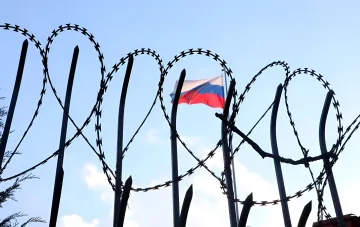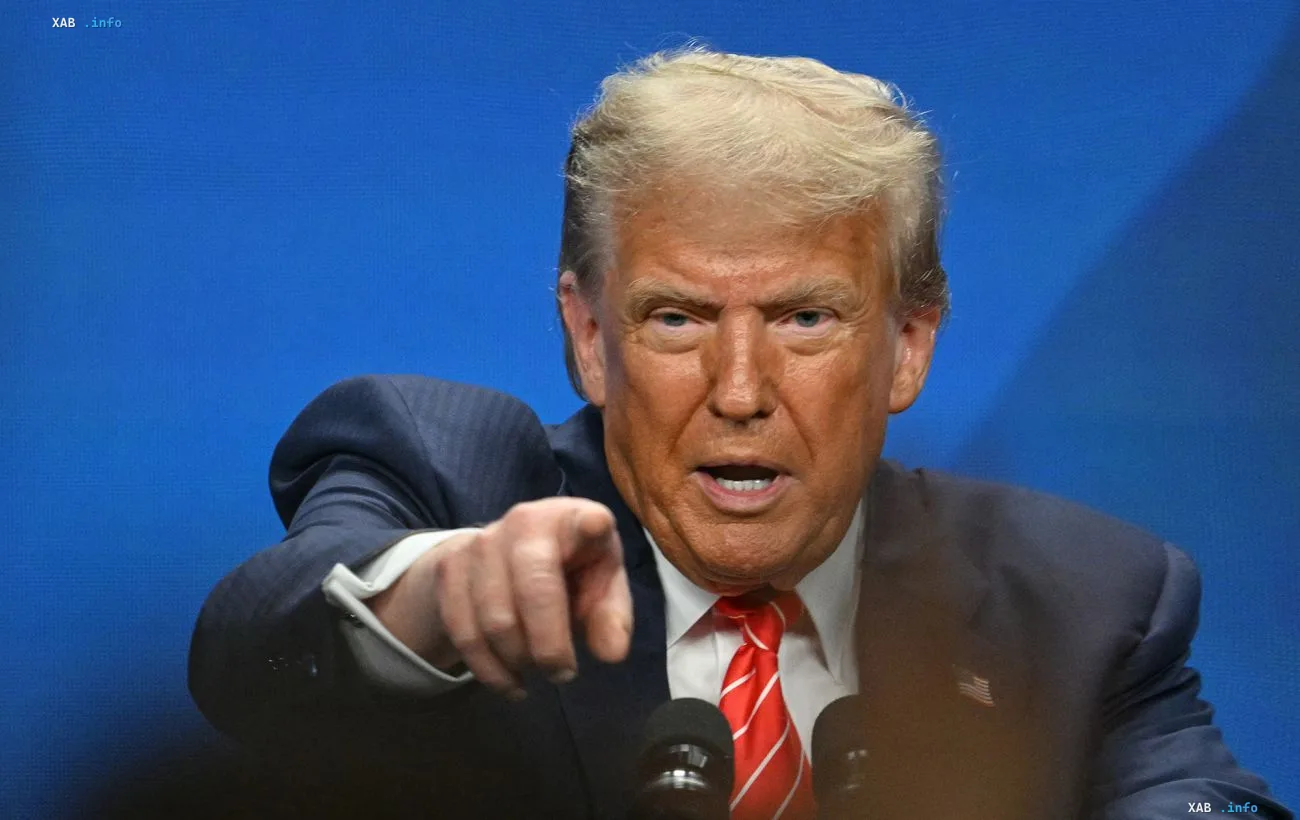
US President Donald Trump, during his address at the 81st session of the UN General Assembly, stated that Washington is ready to use pressure instruments against Russia provided for in a legislative package recently adopted by Congress. According to the American leader, the law, which he signed "last week in honor of Senator Lindsey Graham," grants the White House "significant new authorities to impose tariffs," which, as Trump emphasized, he will use "if necessary." Thus, the head of state publicly acknowledged the possible use of sanctions and tariff mechanisms against Moscow in the event that diplomatic efforts to end the conflict fail to yield results.
Context of the statement: the UN General Assembly and the course toward "ending a devastating war"
Trump's speech came against the backdrop of Washington's ongoing attempts to influence the course of the Russian-Ukrainian conflict. "We continue to strive to end the devastating war between Russia and Ukraine, which claims the lives of tens of thousands of people every month," the US president said, addressing the delegates of the General Assembly. At the same time, he emphasized that the diplomatic track remains a priority, while not ruling out a shift to tougher measures of economic pressure. Such rhetoric — a combination of words about the desire for peace and threats of sanctions — has become a characteristic feature of Trump's public statements on international platforms in 2026.
What the Graham–Blumenthal law provides for
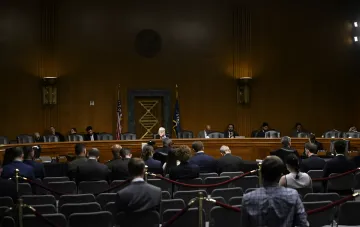
The bill, initiated by Senator Lindsey Graham and Senator Richard Blumenthal, was approved by the US House of Representatives on September 17, 2026. The document provides for a comprehensive package of strict sanctions and tariff restrictions against Russia, as well as against third countries that, in the assessment of the initiative's authors, help Moscow circumvent existing restrictions or purchase Russian energy resources. The key novelty of the law is the expansion of the US president's authorities to impose tariffs, which allows the White House to respond flexibly to the actions of parties connected to the Russian economy without having to return to Congress each time. It is precisely this aspect that Trump placed at the center of his UN speech.
Who will be affected by the restrictions and what are the possible consequences
According to the text of the bill, the new restrictions may affect not only Russian companies and banks, but also foreign counterparties that continue to trade with Moscow, primarily in the energy sector. The tariff authorities granted to the president allow the imposition of duties on imports from countries that facilitate sanctions evasion, making the pressure instrument broader than traditional sanctions lists. Experts note that the actual application of the law's mechanisms will depend on the political will of the administration and on which specific countries and corporations fall within the zone of impact. For Russia, whose economy is largely oriented toward energy exports, such measures could intensify isolation and reduce budget revenues.
Contradictory data
Open sources contain a minor discrepancy in the chronology. In his address at the UN General Assembly, Trump stated that he signed the law "last week," whereas the House of Representatives approved the Graham–Blumenthal bill on September 17, 2026. Given that the speeches of heads of state at the 81st session of the UN GA took place on September 21–22, the phrase "last week" may refer either to the week preceding the 17th or to the current week in a colloquial sense. A difference of one or two days does not change the essence of the statement, but it indicates that the president's public rhetoric is not always strictly synchronized with the official date of the vote in Congress. Moreover, in a number of sources the emphasis is placed specifically on "tariffs," whereas the bill itself includes both sanctions and tariff instruments — which may give the audience the impression that the discussion concerns exclusively trade barriers rather than the full spectrum of restrictions.
Reaction and next steps
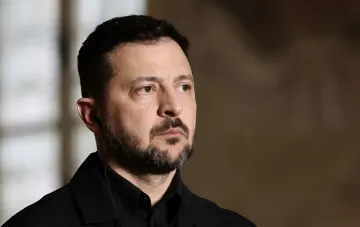
As of the publication of this material, no official reaction from the Russian Foreign Ministry to Trump's statement has been recorded in open sources. The Ukrainian side, for its part, views the adoption of the law as an important step toward strengthening international pressure on Moscow. Analysts point out that the key factor will be how quickly the Trump administration is ready to move from declarations to concrete tariff decisions and which of Russia's partner countries will fall within the zone of impact. For now, the statement at the UN General Assembly remains a signal: Washington reserves the right to escalate economic pressure if the diplomatic track does not lead to a cessation of hostilities.