On Sunday, August 9, 2026, the American publication The Wall Street Journal released a report revealing the current positions of the US administration and Iranian leadership in the protracted military conflict. According to sources close to the White House, President Donald Trump is prepared to cease military operations against Iran, dropping the demand for a new nuclear agreement. The key condition for Washington at this moment is exclusively the full and unconditional opening of the Strait of Hormuz for international shipping.
Shift in US Strategic Priorities
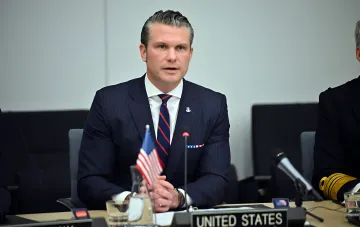
During private consultations with advisors, Donald Trump confirmed a shift in priorities regarding the Iranian issue. The main focus has moved from the diplomatic resolution of the nuclear program to ensuring the security of global trade routes. The US administration assumes that as a result of the massive airstrikes launched against Iran's nuclear infrastructure earlier this spring, Tehran has lost the ability to quickly restore its uranium enrichment program. According to President Trump, the nuclear threat is currently neutralized, allowing a focus on the economic aspects of the conflict.
Iran's Demands and Diplomatic Deadlock
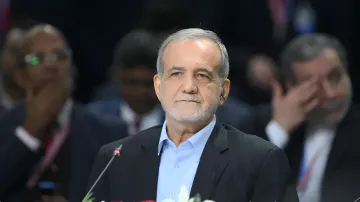
Washington's plan for a swift end to the war has met with tough counter-proposals from Tehran. Through intermediaries from Oman and Pakistan, the Iranian leadership, headed by Mojtaba Khamenei, put forward a number of conditions for a ceasefire. These include: the complete withdrawal of US troops from the Persian Gulf region, the lifting of the naval blockade on Iranian ports, the payment of reparations for infrastructure damage, and the unfreezing of Iran's frozen assets in foreign banks. Iranian authorities insist that the opening of the Strait of Hormuz is possible only after these demands are met.
Contradictory Data
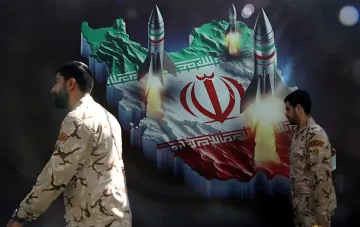
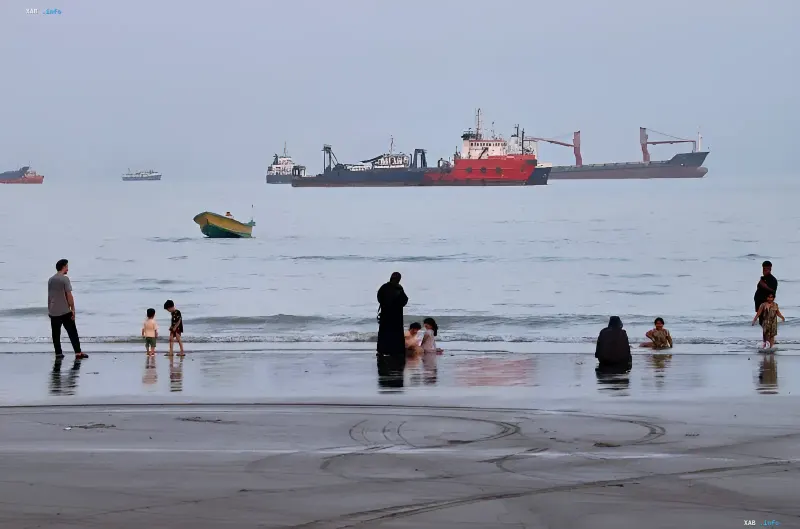
There are discrepancies in assessments of the current situation in the Strait of Hormuz. On the one hand, sources indicate that on Friday, Iran temporarily opened the strait for commercial shipping. On the other hand, following Trump's statement on maintaining the naval blockade of Iranian ports, the Islamic Revolutionary Guard Corps (IRGC) announced a return to strict control over the strait. On Saturday, incidents involving the use of weapons against commercial vessels were recorded, paralyzing shipping once again. Thus, the status of the strait remains unstable and depends on mutual concessions by the parties.
Impact on the Global Economy
The current situation of "neither peace nor war" is exerting significant pressure on the global economy. The blockade of the Strait of Hormuz, through which a significant portion of the world's oil supplies passes, creates risks for the energy security of many countries. The US administration is striving for a quick resolution of the conflict to stabilize the oil market and avoid further economic losses. However, Iran's tough demands make reaching an agreement a difficult task.
Prospects for Resolution
Despite mutual concessions, the diplomatic deadlock persists. The US is ready to compromise on the nuclear program issue, but Iran insists on lifting the blockade and paying reparations. Unfrozen assets could become a subject of discussion, however, Trump has publicly rejected the idea of paying reparations from American taxpayers' funds. Further developments will depend on the willingness of the parties to dialogue and find compromise solutions.