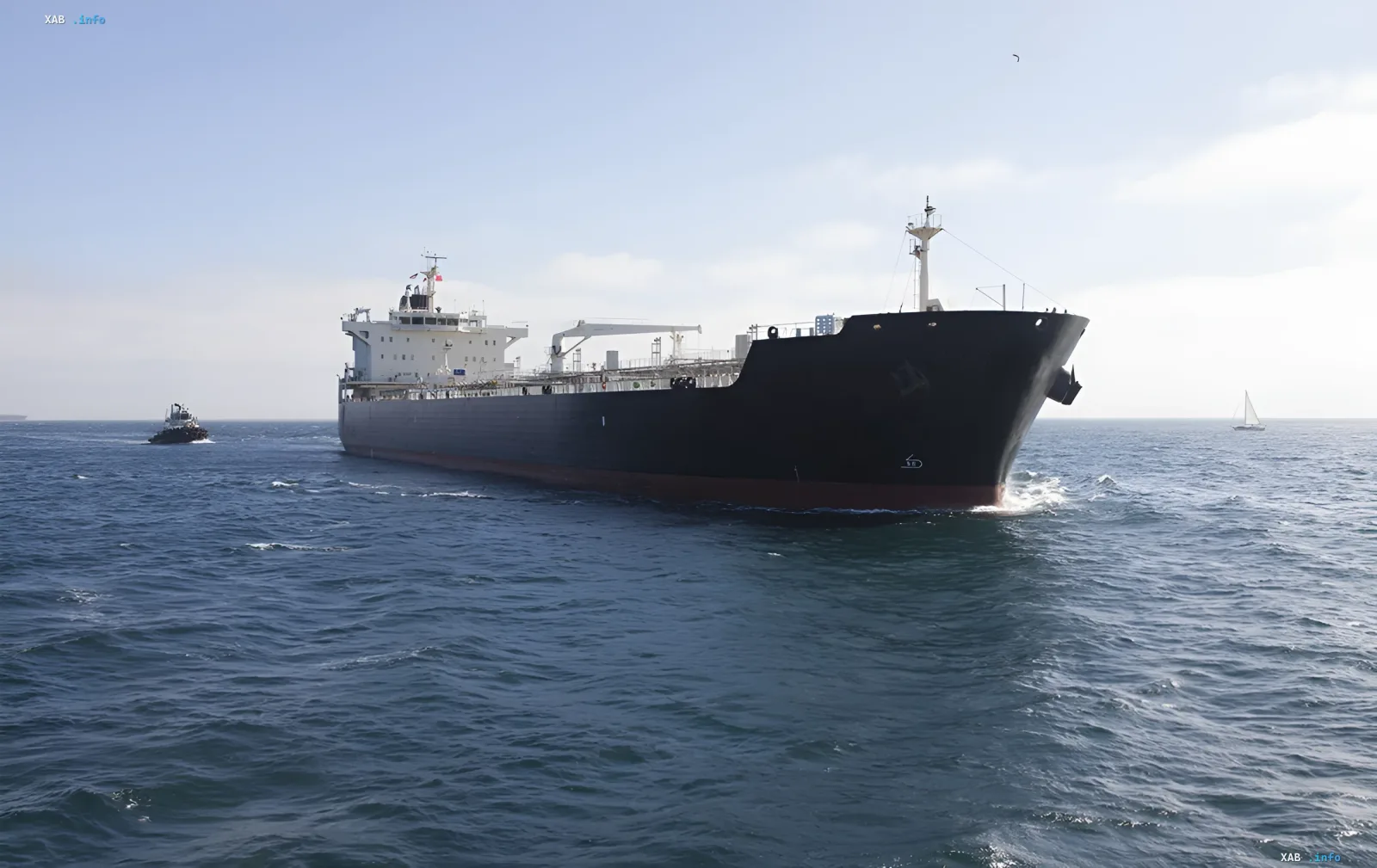
August 12, 2026. A fundamental reassessment of the approach to the ongoing conflict with Iran, which began in February 2026, is taking place in the White House. The Donald Trump administration has officially abandoned the scenario of large-scale military strikes in favor of a strategy of prolonged economic pressure and waiting. According to sources, Washington expects that maintaining strict sanctions and the maritime blockade of Iranian ports, imposed on April 13, will lead Tehran to economic collapse, forcing the regime to make concessions without the use of military force.
From bombings to 'economic strangulation'
Previously, President Trump repeatedly considered options for limited airstrikes and harsh threats against Tehran, but these initiatives did not yield the desired results. Every time Washington announced a potential breakthrough, hardline Iranian supporters changed the terms or refused the agreement altogether. In this regard, the White House has shifted to a 'time' tactic. According to senior officials, the administration is now betting that Iran will not withstand long-term economic pressure.
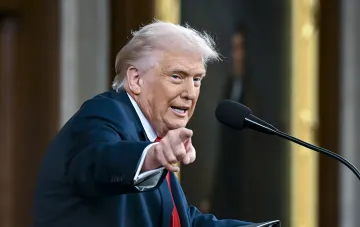
Trump himself publicly supported this course, telling reporters that 'Iran is bankrupt, completely bankrupt.' The President's aides regularly show him data on the destructive impact of sanctions on Iran's economy. Arguments were presented both in meetings in the Oval Office and in non-standard situations — for example, during a call from Treasury Secretary Scott Bessent, when the President was finishing a round of golf.
Bessent's strategy: the death of the Strait of Hormuz
A key element of the new strategy is the belief that the Strait of Hormuz — the main node of the conflict, through which about 20% of the world's oil and gas production previously passed — will lose its strategic significance. Treasury Secretary Scott Bessent is convincing Trump that within two years, up to 70% of energy resources will be transported via underground pipelines, which will make the maritime blockade of Iranian ports meaningless for Iran, but deadly for its economy.
Tehran, for its part, continues to insist on charging fees for ship passage, effectively keeping the strait closed. However, Washington's calculation is based on the fact that Iran will not be able to resist isolation for long.
Contradictory data: risk of escalation and weapon shortage
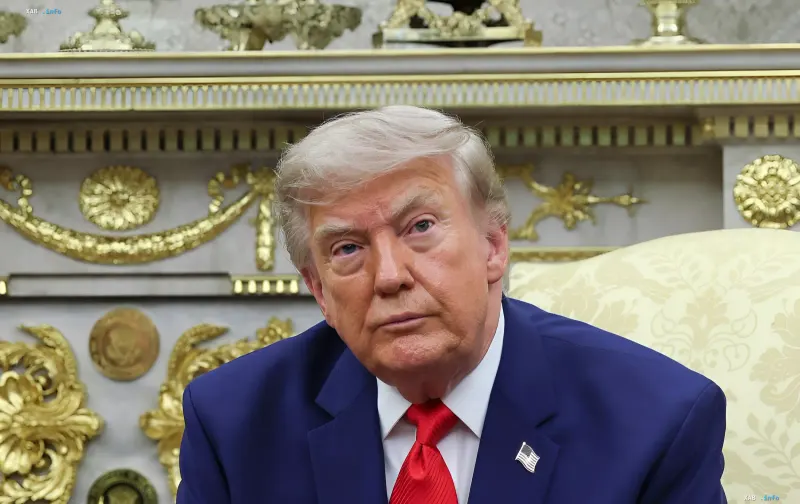
Despite the change of course, there are serious concerns within the administration. Trump's advisers admit that the President does not possess the patience necessary to implement a 'waiting' strategy. There is a real risk that one emotional message on the social network Truth Social, published in anger, could lead to unpredictable escalation and derail the entire plan.
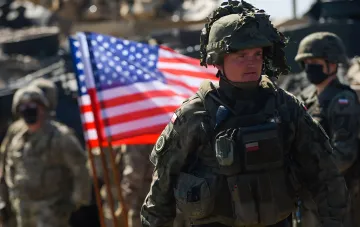
Furthermore, the shift to an economic strategy was dictated not only by diplomatic considerations but also by the actual depletion of military resources. According to The Atlantic, stocks of some American munitions, especially missile defense systems, amount to only 20% of the Pentagon's desired level. The shortage is so critical that the US cannot provide or sell this weaponry even to Ukraine. This puts US interests at risk not only in the Persian Gulf but also in Asia.
Economic resilience of the regime
Another risk factor is the underestimation of Iranian resilience. Iran has already surprised Washington several times with its ability to survive under strict sanctions. The regime is ready to endure serious difficulties to retain power, which could prolong the negotiation process indefinitely. Thus, Trump's new strategy is a balance between economic pressure and the risk of losing control of the situation due to his own impulsiveness.