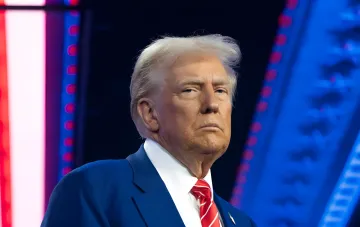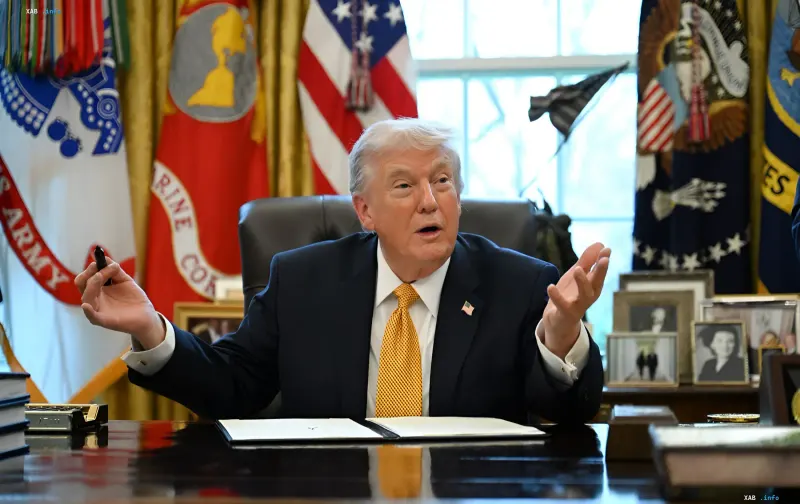
Tensions are rising in the White House regarding the fate of one of the world's most critical maritime routes — the Strait of Hormuz. US President Donald Trump, speaking to journalists, reported significant progress in negotiations with Iran. According to him, the parties are discussing the full resumption of shipping as early as Tuesday, August 4.
Control over the Strait and Ban on Toll Collection
Trump made it clear that Washington is taking the situation under strict control. He assured that passage through the Strait of Hormuz would be free for all vessels. According to the President, the US will not allow Iran to collect any payments for transit.
"We are discussing the strait, its opening literally by tomorrow. Full opening," RBC-Ukraine quotes Trump. He added that he would not allow Tehran to collect "not a penny," emphasizing that the question of payment is not even being discussed.
Nuclear Program as the Next Stage
According to the American leader, the restoration of normal shipping will be only the first step in resolving the conflict. Immediately after this, the parties will move to the second, more complex stage — negotiations on Iran's nuclear program.
Trump was categorical in his demands: the denuclearization of Iran is mandatory. "They cannot have nuclear weapons," the President emphasized, insisting that Tehran must completely abandon its ambitions in this area.
'Last Chance' Before the Strike
Despite diplomatic progress, Trump's rhetoric remains extremely harsh. He called the current negotiations the last opportunity for the Iranian leadership to avoid a military attack. The President used the term "decapitation" to describe a potential strike against the country's leadership.
"I want to give them a last chance in full before decapitation. This is their last chance to sign a good document," Trump stated. He expressed hope that Tehran would "come to its senses" and choose the diplomatic path to avoid a massive attack.
Context of Negotiations
Previously, Trump repeatedly threatened Iran with "total capitulation" and accused the country of "two-facedness." However, recently Washington announced a change in tactics: instead of new strikes, priority is given to diplomatic settlement. According to information from the White House, Tehran and other Middle Eastern countries have asked the US to refrain from an attack, which may have prompted the parties to active negotiations.