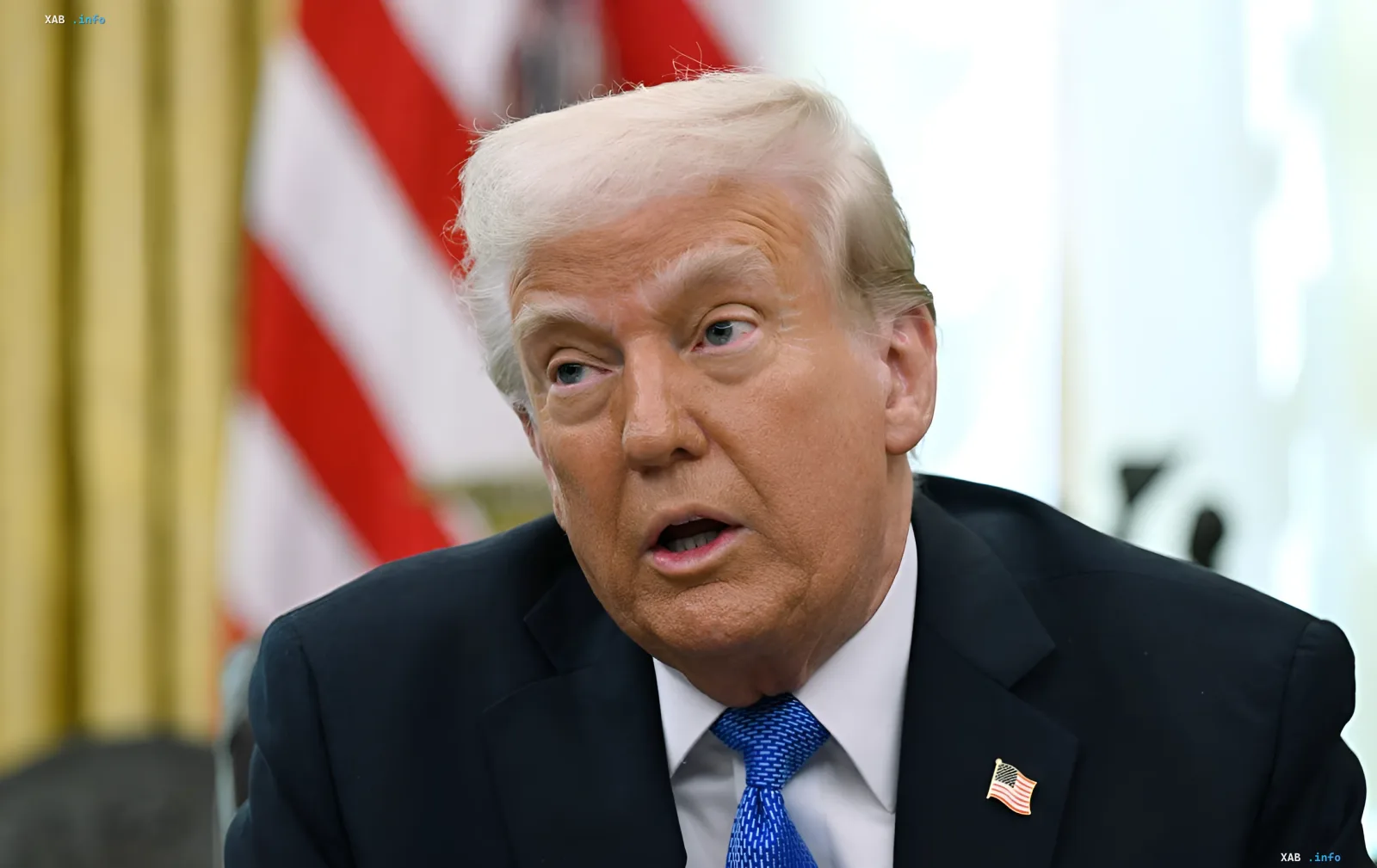
The administration of US President Donald Trump, according to media reports, is working out a new package of tariff restrictions that could affect not only the direct import of semiconductors but also a wide range of finished technological products containing microchips. This is reported by RBC-Ukraine, citing a Reuters publication. If implemented in the form under discussion, the initiative would significantly expand the scope of Washington's current trade policy and affect end consumers and corporate customers worldwide.
Expansion of the List of Taxed Goods
Under the proposal under consideration, tariffs are planned to apply not only to the chips themselves but to a broader range of technological products. In particular, the list includes laptops, gaming consoles, and data center servers. Thus, the initiative under discussion goes beyond the direct import of semiconductors and affects finished devices, which could lead to higher prices for electronics and cloud computing infrastructure. At the same time, the final structure of the future tariffs, their rates, and the exact list of items have not yet been determined.
Exemption Mechanism Through Investment in the US
US Trade Secretary Howard Lutnick, according to Politico, supports a mechanism under which foreign companies could obtain an exemption from the new duties based on the volume of their investments in American chip production. According to the publication, such a scheme is intended to stimulate the expansion of semiconductor output within the US and the relocation of supply chains to American soil. The phased introduction of new tariffs is also being considered as one of the options, although the parameters of this scheme may still change significantly in the coming weeks or months.
Contradictory Data
It is important to note that Reuters was unable to independently confirm the information previously published by Politico. The White House and the US Department of Commerce did not respond promptly to the agency's requests for comment. This means that the details of the package — the list of goods, rates, timelines, and exemption conditions — remain at the discussion stage and have not been officially confirmed. In addition, discrepancies in the chronology and scope of tariff measures are recorded in open sources: some publications refer to rates that have already taken effect and to specific commodity groups (such as automobiles), which should not be conflated with the semiconductor and technology package currently under discussion. Until official statements from Washington, all parameters of the initiative should be considered preliminary.
Context: Breakdown of Negotiations with Canada
The new discussions on semiconductors are taking place against the backdrop of a general tightening of the administration's trade policy. We remind you that trade negotiations between the US and Canada ended without reaching a tariff agreement, so the parties were unable to avoid new restrictions. The Donald Trump administration has already identified a list of Canadian goods that, under the new measures, may be subject to a 50% duty. This indicates that Washington's tariff course is systemic in nature and affects multiple commodity categories and trading partners simultaneously.
What Comes Next
In the coming weeks, the key question will be whether the administration can agree on the final structure of tariffs and the exemption conditions for foreign manufacturers. If the mechanism linking duties to investment in American production is approved, it could become a tool of pressure on foreign companies to relocate chip production to the US. For electronics markets, IT infrastructure, and end consumers, the consequences depend on which specific items and in what volumes fall under the restrictions. XAB.info will be monitoring official comments from the White House and the US Department of Commerce.