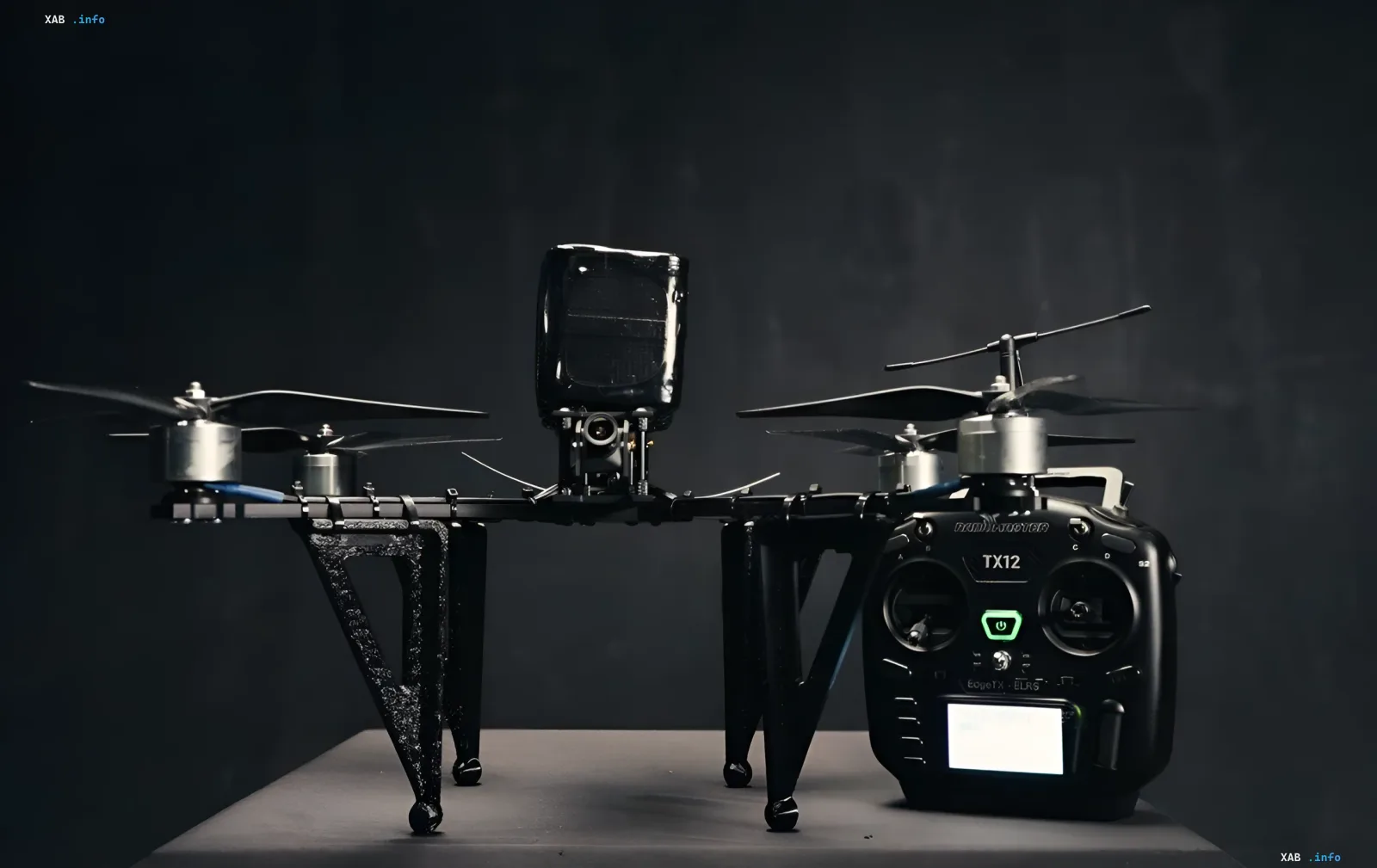
The Ukrainian-British defense company Trypillian has achieved an important milestone in weapons standardization. Their flagship VORON-10 strike FPV drone has successfully passed official codification by the Ministry of Defense of Ukraine and has officially received a standard NATO Stock Number (NSN). This event opens up new opportunities for scaling production and integrating the UAV into modern logistics chains of the Defense Forces.
Receiving the 13-digit identifier according to North Atlantic Treaty Organization standards means the device fully complies with stringent international requirements for military products. The NSN significantly simplifies accounting, procurement, and maintenance of unmanned systems, making them more accessible for official supply and potential future export.
Purpose and Tactical-Technical Features
The VORON-10 model is a specialized 10-inch strike FPV quadcopter designed specifically for fire support of infantry units and assault groups directly on the frontline. The primary targets for the drone include enemy armored and unarmored vehicles, protected positions, fortifications, personnel, and military logistics elements.
One of the key engineering challenges of modern FPV devices is countering electronic warfare systems. Trypillian engineers integrated Frequency Hopping Spread Spectrum (FHSS) technology into the VORON-10. This solution allows the drone to effectively resist enemy radio interference while maintaining stable control and video feed under conditions of intensive electronic countermeasures.
Design and Application Prospects
The drone's structural design provides flexible adaptation to various types of payload. The developers optimized the frame geometry and flight controller firmware to ensure the device maintains maximum stability and controllability even with a significant warhead mass.
The project was created taking into account real combat experience, where deployment speed, ease of basic operation by field crews, and high adaptability to the rapidly changing modern battlefield environment come to the fore. Codification within the NATO system highlights the maturity of the Ukrainian unmanned technology market and the high level of competence of domestic engineers.