Ground-based robotic complexes (UGVs) cannot fully replace fast armored vehicles for evacuating the wounded from the front line, and the system for extracting fighters at the front still operates in a force-majeure mode. This was stated in a Facebook post by servicewoman Tatyana Chernovol, which RBC-Ukraine cited. The trigger for the comment was a video that appeared online showing a fighter independently transporting wounded comrades in a pickup truck — a situation that, according to Chernovol, clearly demonstrates a systemic shortage of suitable evacuation vehicles.
Slow UGVs vs. Drones
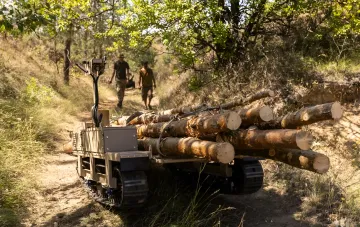
The main problem Chernovol pointed out is speed. In her words, ground-based robotic complexes are too slow for evacuation tasks, which is why missions to extract the wounded often end tragically. "UGVs are very slow, and therefore evacuation missions for fighters are often tragic. UGVs carrying the wounded become targets of drones," she emphasized. Thus, an unprotected and slow robot moving through open terrain with a wounded soldier becomes an easy target for enemy drones.
What Vehicles Are Needed for Evacuation
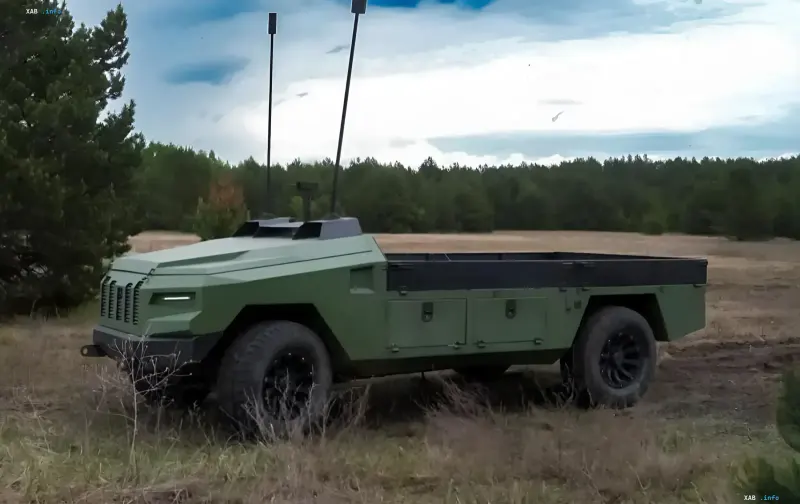
Chernovol believes the primary means of evacuating the wounded should be a small, fast, lightly armored vehicle with mine protection. It is this type of vehicle that, in her logic, can deliver a fighter to a medical point faster than drones or a mine can strike. At the same time, she does not deny the role of robotics: UGVs can be part of the evacuation system, but they should not fully replace armored vehicles. The military correspondent had previously criticized the approach of treating UGVs as a sufficient means of evacuation, as well as the refusal to purchase full-fledged armored vehicles due to their cost.
Force Majeure and Standard Evacuation Units
According to Chernovol, the problem is not limited to the speed of the robots. In many units, evacuation remains a task that personnel are forced to prepare for on their own, without a single standard. "Evacuation in the army system in the 5th year of the war is a force majeure that no one is prepared for," she wrote. As a solution, Chernovol proposes creating standard evacuation units within brigades, which would have their own vehicles and the necessary specialists — drivers, medics, EW operators, sappers, and others.
Contradictory Data
Assessments of the role of UGVs in the troops differ significantly. On the one hand, Ukrainian military experts (including Yulia Kyryienko-Merina, who publishes analytics on "Telegraph," and authors of military blogs) warn that robots are not a panacea for evacuation and that relying on them exclusively, at the expense of armored vehicles, could cost fighters their lives. On the other hand, international publications, citing Foreign Policy, note the opposite trend: UGVs in the Ukrainian army are increasingly taking on new tasks and partly displacing infantry, meaning their use is expanding, not shrinking. Thus, while there is general recognition of the value of robotics, the parties assess differently whether it can be entrusted with critically important functions such as evacuating the wounded.
Context: Expanding the Roles of Robots in War
In a broader context, ground-based robotic complexes are indeed becoming one of the tools of the drone war: they are tasked with reconnaissance, cargo delivery, fire support, and other functions where the risk to personnel is maximal. However, as military statements show, it is precisely in tasks where seconds and protection from fire matter — above all in evacuation — that speed and armor remain decisive. The debate around UGVs thus comes down not to whether robots are needed at all, but to exactly where they can be deployed without risking the lives of the wounded and the fighters themselves.