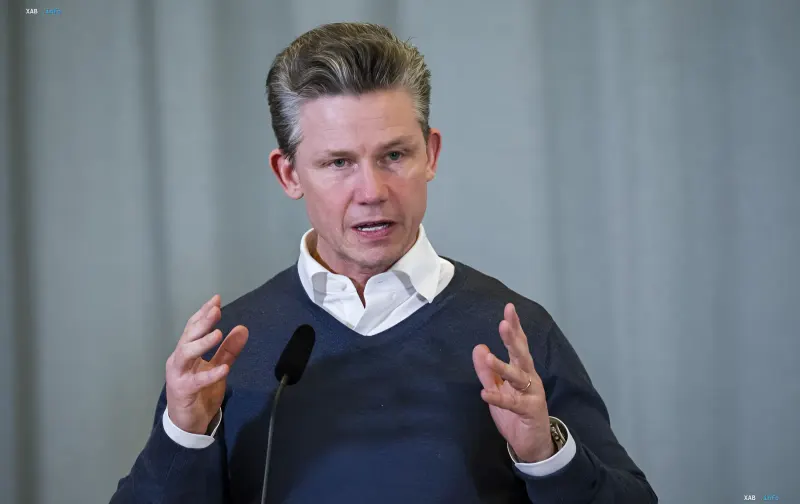
Swedish Minister of Defense Pål Jonson stated that Ukraine would need between 18 and 24 months to develop its own means of countering ballistic missiles. This is reported by RBC-Ukraine, citing Jonson's remarks as quoted by Radio Free Europe/Radio Liberty. According to him, Stockholm, which is part of the so-called anti-ballistic coalition, is forced to strengthen its own air defense due to the growing missile threat from Russia.
Stockholm's Assessment: Russia Increases Production
"We need additional alternatives to counter the threat of ballistic missiles. Russia has been able to increase their production, in particular thanks to obtaining more advanced engines. Therefore, we must also strengthen our air defense," Jonson told reporters in Brussels. This dynamic, according to the minister, makes the upcoming military winter particularly difficult for Kyiv. On the same day, EU defense ministers discussed how to strengthen Ukrainian air defense.
Interceptor Shortage and the PAC-3 MSE Issue
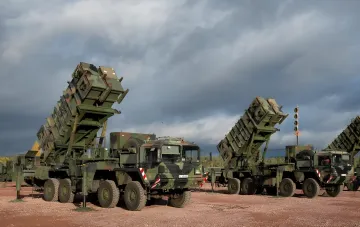
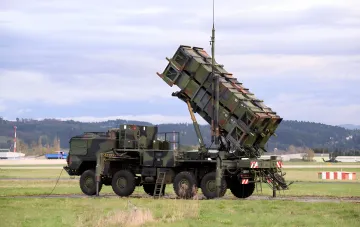
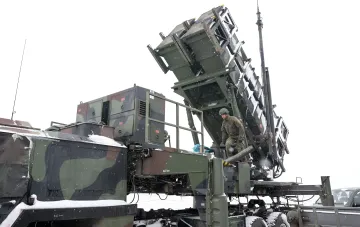
A key problem remains the shortage of interceptor missiles for Patriot systems — the only installation in the country capable of effectively downing Iskander-M, Kinzhal, and Zircon missiles flying on ballistic and quasi-ballistic trajectories. Because of this, the effectiveness of countermeasures is decreasing. On October 30, the US State Department approved the potential sale of 500 PAC-3 MSE missiles to Ukraine for $2.1 billion, with funding provided by European partners. However, according to media reports, the missiles will only arrive after 2030.
Anti-Ballistic Coalition and the FREYJA System
In July, Ukraine announced the creation of an anti-ballistic coalition together with nine partners; the declaration was approved on July 13 at the "Coalition of the Willing" summit in Paris. French President Emmanuel Macron stated at the time that launching the coalition strengthens the capabilities Europe needs to reinforce collective security. Earlier this month, Volodymyr Zelenskyy reported that Ukraine expects to test the new anti-ballistic system FREYJA, developed jointly with European partners, this winter, and in early August emphasized that the country already has the scientific base and competencies for an anti-ballistic program with expected results in 2026–2027.
Support Tools and Prospects
Among the most important support tools, Jonson named the PURL packages: Sweden has already participated in five such packages totaling over five billion and, according to him, is ready to do more. The minister also noted that, based on information received from Ukraine, the Americans are delivering in accordance with the agreements within the framework of the PURL packages. Thus, amid statements about the need for 1.5–2 years for domestic anti-ballistics and a shortage of interceptors, Kyiv is preparing for winter by relying on European and American supplies.