By August 2026, Ukraine's defense industry has made an unprecedented leap in the segment of long-range strike unmanned aerial vehicles (UAVs). What began just a few years ago as experimental solutions by enthusiasts has transformed into a powerful, systematic industry capable of striking deep into enemy territory with a regularity and precision previously unimaginable for asymmetric forces. Experts note that the key to success was not only engineering mastery but also the transition from one-off modifications to the serial production of standardized platforms.
Evolution of Strike Power: From Prototypes to Series
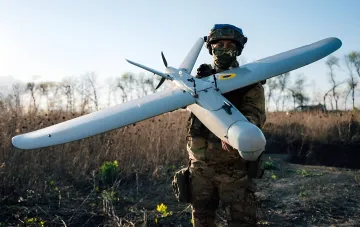
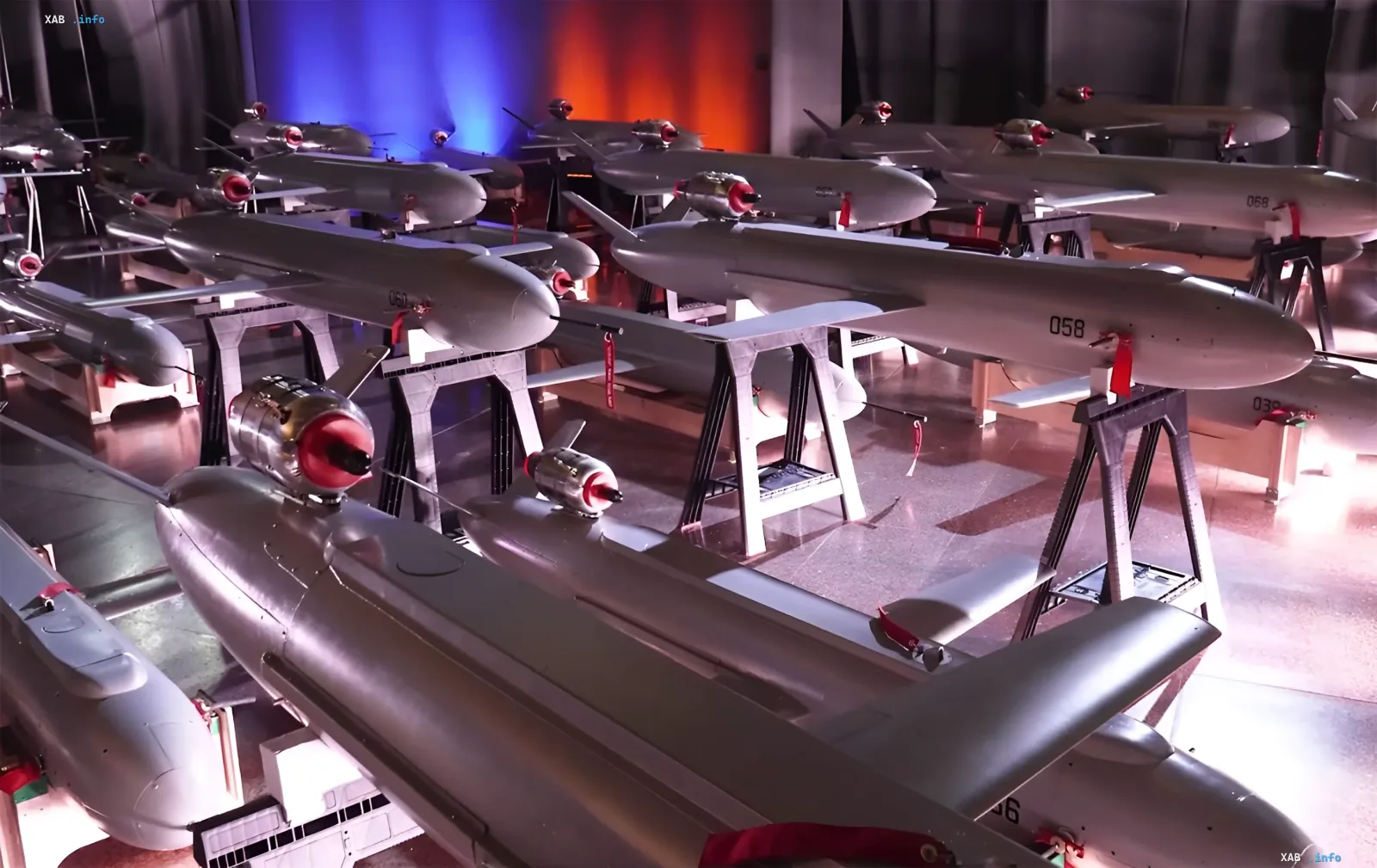
An analysis of the current situation shows that Ukrainian long-range UAVs have undergone a complex evolutionary path in several key areas. First, the flight range has increased radically, allowing for the coverage of strategic targets deep within Russian territory. Second, the reliability of systems has improved critically: drones have become capable of withstanding more complex operating conditions. Third, and most importantly, production has moved to assembly-line tracks. As noted by RBK-Ukraine, the 'Deep Strike' segment has ceased to be a niche story and has become the foundation of the country's regular defense capabilities.
Investing in the Future: Scaling to Billions
As of 2026, the National Security and Defense Council (NSDC) of Ukraine estimates production capacity in the long-range strike systems segment at approximately $25 billion. This figure indicates the formation of a full-fledged new industry, where the focus is not just on engineering ingenuity but on complex logistics, supply chains, and quality standardization. Ukraine officially announces the scaling of production, which allows for maintaining a high tempo of strikes against the enemy's critical infrastructure, including oil refineries and military training grounds.
Technological Breakthrough: AI and Autonomy
Oleg Krot, Chairman of the Board of Culver Aerospace, predicts that in the next one to two years, Ukrainian drones will become even more autonomous and resistant to electronic warfare (EW) measures. Manufacturers agree that the next stage of development will be the integration of artificial intelligence (AI) elements. AI will be used for navigation in conditions of GPS degradation, target recognition, mission planning, and reducing the load on the operator. Furthermore, the role of swarm operations is growing, where a drone ceases to be a standalone unit and becomes part of a complex strike swarm architecture.
The Main Challenge: Speed of Adaptation
Experts emphasize that the decisive factor in the future war will not be the creation of one 'best drone,' but the ability to constantly update the system. Victory will belong to those who can scale production faster, take into account combat experience, and outpace the enemy in the adaptation cycle. The organization of the process becomes more important than the platform itself: flexibility, maintainability, and the rapid integration of new technologies into combat formations become the main criteria for effectiveness.