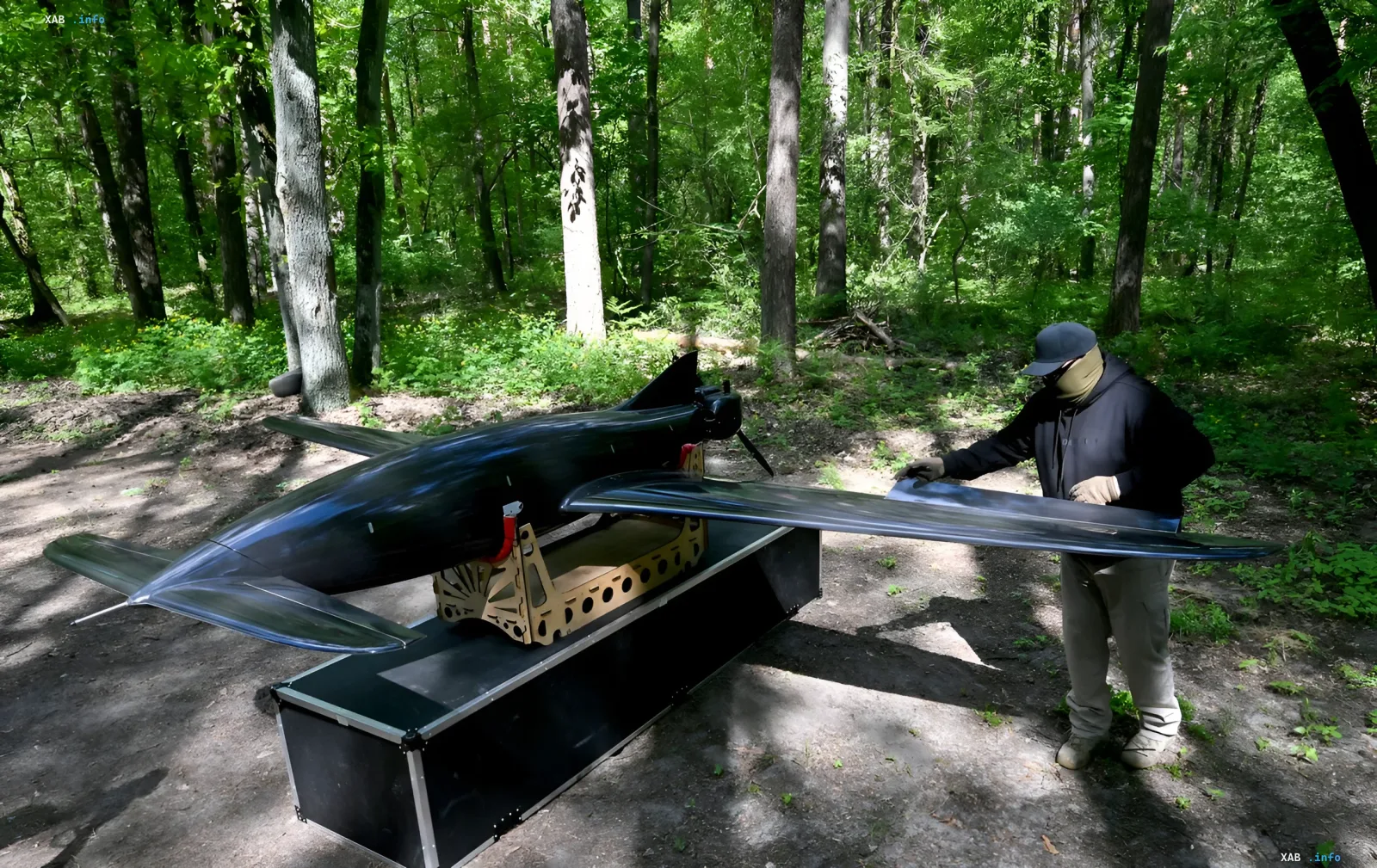
Summer 2026 marked a turning point in the tactics of unmanned systems used by Ukraine. According to data from the Separate Center for Unmanned Systems of the Special Operations Forces (SOF), the Ukrainian Armed Forces achieved unprecedented results in striking strategic targets deep within the Russian Federation. The focus was on fuel infrastructure and the defense industry, which were subjected to systematic pressure leading to massive destruction.
Strike Statistics: Record 43% of Refinery Capacity
According to official data cited by SOF representatives in a comment to RBC-Ukraine, only in the first half of 2026, deep strike assets hit 697 targets on Russian territory. This figure indicates a radical change in the scale of operations. The key result of this campaign was the disabling of 43% of Russian oil refinery (OR) capacity. This level of loss for the Russian energy sector is a record for the entire history of the conflict.
Experts note that the increase in the number of strikes deep in enemy territory since the beginning of the year was 1150%. This is not a random spike in activity, but the result of systematic and planned growth of combat capabilities, including an increase in the drone fleet and improved reconnaissance methods. As military officials note, "there were only a few days when nothing burned in the strategic depth of the enemy".
Omsk Strike: A Breakthrough of 3,000 Kilometers
One of the most significant events of July 2026 was the strike on Russia's largest Omsk Oil Refinery. The operation, conducted by the 1st Separate Center for Unmanned Systems in cooperation with other units, demonstrated the ability of Ukrainian drones to cover colossal distances. Omsk is located 2,400 kilometers in a straight line from the front line, but taking into account necessary maneuvers and bypassing air defense systems, the drones covered a distance of up to 3,000 kilometers.
This strike established a new "strike zone" in Siberia, proving that no strategic object in the Russian rear is safe. Military officials emphasize that "scaling up is part of the general plan to improve capabilities: we have more means, conduct more precise reconnaissance, and shorten the preparation cycle".
Strategic Concept: From Logistics to the Defense Industry
According to representatives of the Special Operations Forces, the choice of targets is determined by a clear strategic concept. The current focus is on three key areas: the fuel industry, the defense industry, and the logistics serving these sectors. In June 2026, Ukrainian drones hit 11 oil refineries and more than 8 military-industrial complex (MIC) enterprises.
This tactic is aimed at undermining the economic base of the war and limiting Russia's ability to produce and deliver weapons to the front. Alongside strikes on refineries, the Ukrainian Defense Forces are striking critical infrastructure in temporarily occupied territories, including the "Gvardeyskoye" airfield in Crimea, where massive fires raged after the attacks.
Contradictory Data
While the Ukrainian side claims to have hit 697 targets and disabled 43% of refinery capacity, official Russian sources often give a different assessment of the scale of damage. In Moscow, loss data is traditionally downplayed, claiming that strikes on refineries are temporary and do not affect the overall fuel processing capacity. However, independent satellite images and data on fuel supply disruptions in border regions of the Russian Federation indirectly confirm the seriousness of the situation described in the RBC-Ukraine material.
There are also discrepancies in the assessment of the effectiveness of strikes on early warning radar stations. Ukraine claims the systematic destruction of such objects, which hinders the launch of Russian missiles, while Russian military officials claim that the missile attack warning system is functioning normally, despite damage to individual nodes.