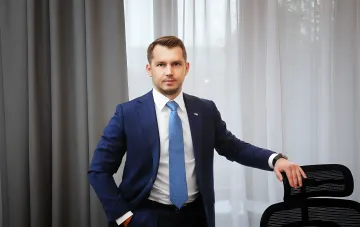
The accumulation of debt in Ukraine's energy market is not a temporary glitch, but the result of a systemic failure in market pricing which, according to industry experts, cannot be fixed by piecemeal measures. Energy expert Hennadiy Ryabtsev stated this on the air of "Hromadske Radio," as reported by RBC-Ukraine. According to him, under full-scale war conditions, the electricity and natural gas markets have effectively lost their market mechanisms, which creates chronic pricing problems and leads to a steady rise in debt on the balancing market.
A market that has ceased to be a market
Ryabtsev emphasizes that the key task now is not just to "align" tariffs, but to restore market benchmarks for electricity and gas prices. "Along with aligning prices, we need to obtain market benchmarks for these same prices, not what is unfortunately happening now in the natural gas and electricity markets, which, during the war, have effectively ceased to be markets," the expert noted. Without restoring competitive pricing, any tariff adjustment remains a palliative measure, and the debt is merely redistributed among participants without being fundamentally resolved.
Government image as a barrier to reform
Ryabtsev places a separate emphasis on political will: in his estimation, the government is not showing a willingness to address the problem, as the necessary structural changes will inevitably impact the Cabinet of Ministers' image. The expert uses the image of the "Augean stables," emphasizing that clearing up accumulated debts is a long, tedious process associated with "great losses to one's own image." This, he argues, turns a technical problem into a political one and explains the delay in reforms.
Debts hinder investment in flexible generation
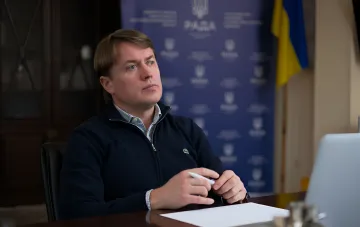
The practical consequences of the accumulated debt were previously described by Ivan Yuryk, a board member of NPC Ukrenergo. According to his data, the rise of debt in the balancing electricity market directly hinders investments in new flexible generation, without which the stable operation of the energy system under regular outages and increased loads is impossible. Debts of water utilities, coal mines, and consumers in frontline territories limit the ability of Ukrenergo to settle with market participants in a timely manner, creating a chain reaction of non-payments.
What is needed to turn the situation around
The combination of statements from two experts—an analyst and a system operator—points to a single conclusion: the debt problem cannot be solved by administrative pressure on individual debtors or a one-time tariff review. A complex of measures is required, including the restoration of market pricing, a review of settlement mechanisms with socially significant consumers and frontline entities, and the creation of transparent rules for the balancing market. Without this, according to Ryabtsev, the debt will continue to grow, and the energy system will continue to lose investment attractiveness at a time when flexible capacity is critically needed.