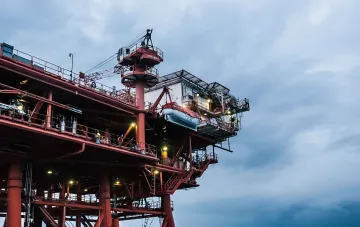
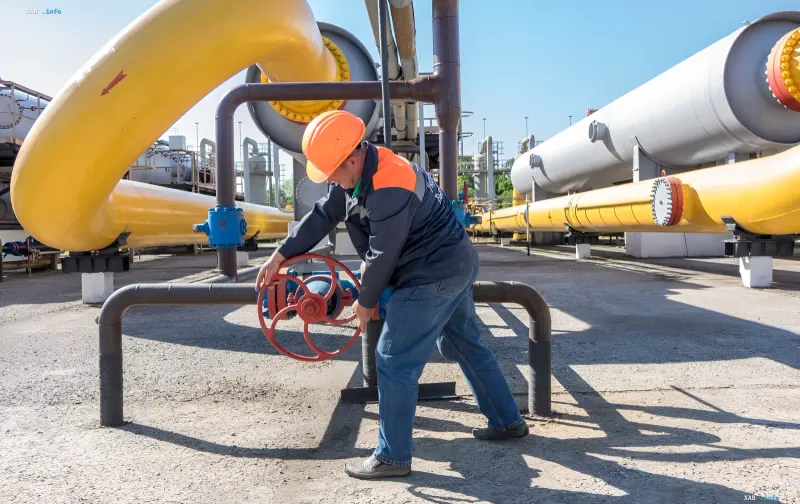
Ukraine is demonstrating robust performance in preparing for the upcoming 2026-2027 heating season, significantly outpacing the government's initially approved schedules. According to current energy sector data, natural gas reserves in the country's underground storage facilities have already surpassed the 15.6 billion cubic meters mark. This achievement has been made possible by the coordinated efforts of specialized agencies, as well as a decrease in the overall level of industrial and domestic resource consumption within the country.
Background and Government Plans
The baseline scenario for cold-weather preparation initially approved by the Cabinet of Ministers envisioned accumulating 14.6 billion cubic meters of gas in underground storage by the end of October of the current year. This volume traditionally includes not only active gas intended for direct combustion in boiler houses and heat generation, but also the so-called buffer gas. The latter is a technologically necessary volume that ensures stable pressure and the normal functioning of the entire storage infrastructure.
Schedule Surpassing and Expert Assessments
Commenting on the current situation on Kyiv24 TV channel, Volodymyr Omelchenko, Director of Energy Programs at the Razumkov Center, emphasized the significant excess over planned indicators. According to him, about three weeks remain before the official start of the heating season, yet reserves are already one billion cubic meters higher than government expectations. Experts predict that by the time central heating systems are switched on, this figure could closely approach 16 billion cubic meters, creating a reliable safety buffer in case of severe frosts or a surge in energy demand.
Contradictory Data
Despite optimistic official reports from Ukrainian experts and government officials regarding the energy surplus, historical and external assessments of the situation have varied significantly at different times. For instance, representatives of external market players, notably the management of Russia's Gazprom, previously claimed that colossal investments amounting to $4–5 billion were necessary to fully replenish Ukrainian storage facilities and get through winter peaks. At the same time, independent domestic analysts counter these figures by arguing that the drop in domestic industrial demand due to infrastructure destruction has objectively reduced the country's overall needs, making a surplus possible at a much lower cost.
Export Opportunities and Economic Impact
The availability of additional natural gas volumes opens up new economic prospects for the state, including the potential resumption of foreign supplies. Prominent expert Hennadii Riabtsev suggests applying the successful model already tested in the electricity market to the gas sector: guaranteed coverage of domestic needs on a priority basis, with excess resources directed toward export. The foreign exchange earnings generated from overseas sales could be partially reinvested in the urgent restoration of Ukraine's damaged energy infrastructure, as well as in the prospective development of the biogas market, provided its quality meets the strict technical requirements of the national gas transmission system.