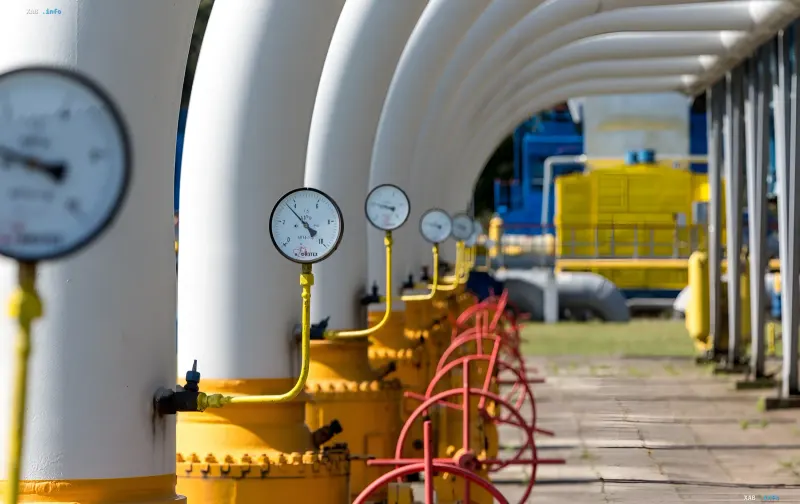
With the 2026 heating season approaching, the energy situation in Ukraine remains under close scrutiny by both domestic authorities and international partners. As of August 12, nearly 14 billion cubic meters of fuel have been accumulated in Ukraine's underground gas storage facilities (UGS). This figure already exceeds the government's established minimum target of 13.2 billion cubic meters required to start the heating season. However, despite successfully meeting the storage filling indicator, the country's leadership is signaling a critical shortage of financial resources to ensure uninterrupted supplies during the winter period.
The Financial Gap: Why €400 Million is the Minimum
First Vice Prime Minister and Minister of Energy Denys Shmyhal announced a need for an additional €400 million for natural gas imports. However, according to data from sources familiar with the preparation of the energy system for winter, this amount represents only the lower bound of necessary investments. Ukraine's actual need for funds to purchase gas could be significantly higher than the stated figure. At current market prices, €400 million would allow for the purchase of approximately 700–800 million cubic meters of gas. Experts emphasize that this volume may be insufficient to fully cover risks, especially in a scenario involving restricted supplies.
Consumption Strategy: Gas for People, Not for Storage
A key aspect of the current strategy is the allocation of additional import volumes. According to the situation analysis, new gas shipments are needed not for further injection into storage (as the filling plan has already been met), but to ensure direct supplies to end consumers. The main scenario factored into energy calculations assumes the possibility of a sharp decline in Ukraine's own gas production during the winter. This could occur in the event of an escalation of hostilities and strikes on gas extraction infrastructure. In such a situation, gas withdrawal from storage could also be limited, making imports critically important to prevent a deficit.
Security Factor and Risks of Infrastructure Strikes
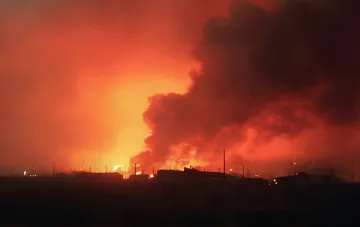
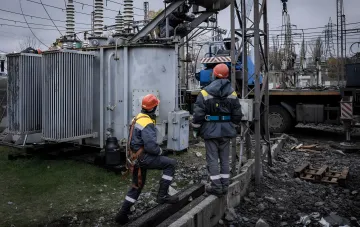
Analysts note that the current dynamics of gas accumulation in UGS look better than previously expected. Nevertheless, the threat of strikes on energy infrastructure remains relevant. The Russian Federation continues to demonstrate a willingness to strike gas facilities, which jeopardizes the stability of the domestic market. An article in RBK-Ukraine emphasizes that even with existing reserves, the financial ability to purchase them in a timely manner and logistical accessibility remain vulnerable points. If large-scale damage occurs to gas pipelines or production wells during the winter, the existing 14 billion cubic meters may not be sufficient to cover peak loads without additional imports.
Contradictory Data
There are certain discrepancies in the interpretation of data regarding the current situation. On one hand, official figures indicate that Ukraine has met and even exceeded the plan for filling storage facilities, which should ensure relative stability. On the other hand, statements about the need for urgent additional funds of €400 million (and possibly more) suggest that planned indicators do not account for all possible risks. The official government position focuses on achieving minimum standards, while experts and insiders point out that these standards may be insufficient in force majeure conditions. Thus, there is a contradiction between the formal fulfillment of the plan and the real need for resources to survive in wartime conditions.