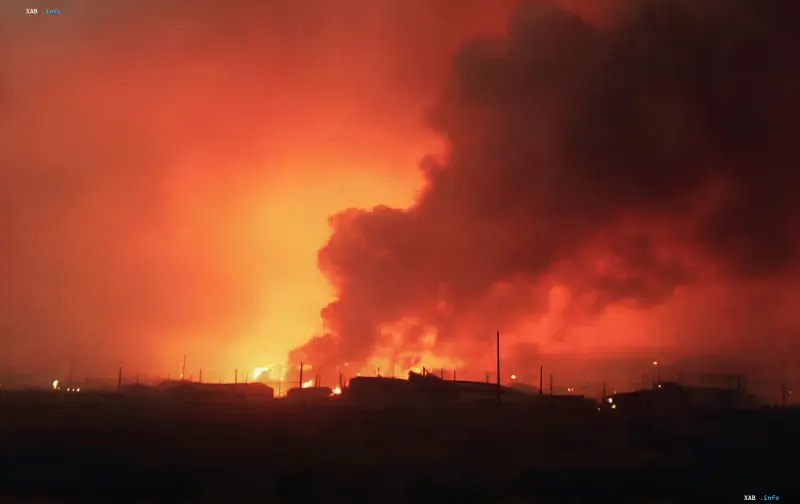
August 13, 2026. On the eve of the new heating season, Ukraine's energy sector faces the threat of escalated strikes on gas infrastructure. Experts and industry sources warn: if Russia intensifies attacks on the gas transmission system (GTS) and underground gas storage facilities (UGS), the country may face not only a reduction in domestic production but also critical limitations in lifting reserves from storage and import volumes.
Vulnerability of Compressor Stations and Access to Reserves
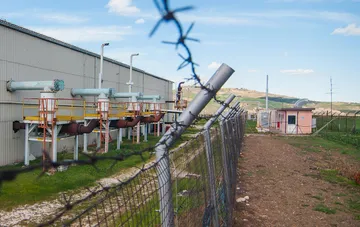
A key link that could become a target for Russian strikes is the compressor infrastructure. It is compressor stations that ensure the withdrawal of gas from underground storage and its pumping into the network. As noted in materials from RBK-Ukraine, damage to these facilities could lead to a partial restriction of access to gas, creating a deficit for current consumption.
However, according to a source familiar with the operation of Ukraine's GTS, it is unlikely that the enemy will be able to completely block gas withdrawal. The engineering system of compressors is not overly complex, allowing for prompt restoration work. Furthermore, UGS facilities are interconnected by a branched network of pipes, providing certain flexibility in gas logistics. Damage to one compressor system will reduce withdrawal volumes for a certain period but will not stop it completely.
Modeling Scenarios and the Role of Imports
In 2024, detailed modeling of various scenarios for the operation of the GTS and UGS under conditions of active shelling was conducted in Ukraine. The results of these simulations did not show options for a complete blockage of gas withdrawal from storage. Nevertheless, if access to domestic reserves is limited, the need for import flows to cover the current needs of the population and industry will rise sharply.
While Russian shelling could theoretically reduce import capabilities, implementing this scenario in practice is extremely difficult. The safest direction remains gas supply through Poland. The compressor infrastructure ensuring gas pumping along this route is located on Polish territory, and there are no compressors on the Ukrainian side. This means that to disrupt supplies, Russia would have to attack the territory of a NATO member state.
Slovak and Hungarian Directions
The publication's interlocutor also noted that the Slovak and Hungarian import directions are low-vulnerability. Under any scenario, imported gas can be pumped into Ukraine. Even in the event of interruptions, it will not take much time to resume the operation of capacities, allowing the system to maintain resilience.
Contradictory Data
There is a discrepancy between the optimistic forecasts of modeling and the real risks of the current war. On the one hand, experts claim that a complete blockage of gas withdrawal is impossible due to system redundancy and the simplicity of compressor restoration. On the other hand, in the conditions of 2026, when the intensity of strikes on energy infrastructure remains high, even a temporary reduction in gas withdrawal from UGS could lead to a deficit that cannot be compensated by imports alone, especially if gas entry points into the country are simultaneously damaged.
Staffing Issues at "Naftogaz" and Procurement Plans
In addition to technical risks, the situation is complicated by staffing issues. It was previously reported that Yulia Sviridenko could head "Naftogaz," however, there are serious obstacles to this rotation. The effectiveness of management during the crisis period will depend on how quickly a new team is formed. Despite the fact that gas reserves in Ukraine have exceeded planned indicators, the company is forced to continue purchases to ensure a reserve in case of force majeure circumstances.