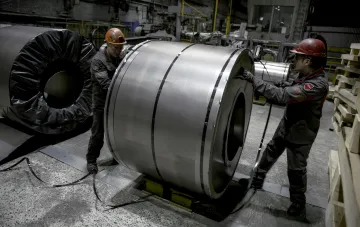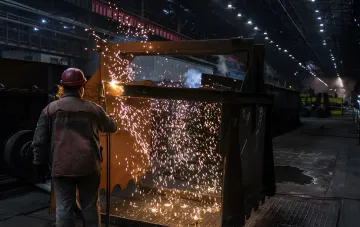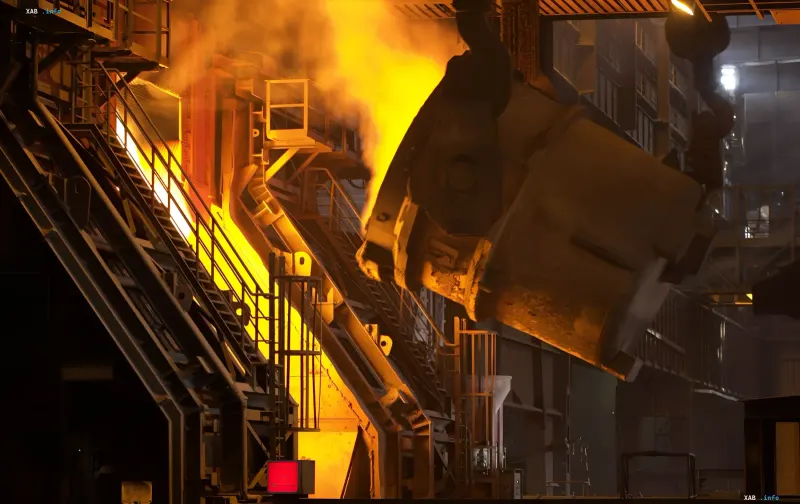
In August 2026, Ukraine's metallurgical complex recorded one of the sharpest collapses in the entire history of the full-scale war. According to data from the industry portal GMK Center, cited by RBC-Ukraine, steel output in the country fell by 57.3% year on year — to 277,000 tonnes. Compared with July, the decline stood at 39.4%. Analysts describe this result as one of the lowest over the entire conflict period: figures were worse only in April and December 2022.
The August collapse: key figures
The dynamics for related products were even more severe. Pig iron production in August dropped by 65.6% year on year — to 257,100 tonnes, and fell by 40.5% compared with July. Merchant steel (rolled products) output declined by 57.4% in annual terms and by 29.6% versus the previous month, to 269,500 tonnes. Over the January–August period, the cumulative decline looks less sharp but remains substantial; the exact cumulative figures are not fully disclosed in the available materials, which should be taken into account when interpreting the trend.
Causes: direct strikes on the largest plants
The publication names the shutdowns of the country's largest metallurgical plants following Russian strikes as the main cause of the August collapse. Zaporizhstal came to a complete halt after missile strikes on 11 and 27 August; before the shutdown, the plant managed to produce 46,200 tonnes of steel in August. In early September, Kametstal in Kamianske was hit by a Russian attack and also fully halted its production processes. Thus, in the second half of August and in early September, two of the country's largest steel producers effectively dropped out of the market.
Systemic factors: port blockade, CBAM and EU quotas
The industry's problems do not end with direct shelling. Ukraine's metallurgical complex is simultaneously facing a de facto blockade of its seaports, the entry into force of the CBAM mechanism, and new EU quotas on steel imports. Chief analyst at GMK Center, Andrii Tarasenko, notes that in the first half of August, volumes were affected precisely by the maritime blockade and import restrictions on supplies to the EU, while in the second half the shutdowns of the two largest producers were added to these factors. In his assessment, the situation may worsen in September: metallurgy is entering a new phase of the crisis in which production capacity, export opportunities, and access to key markets are all shrinking at the same time.
Risks to the budget and export potential
Metallurgy remains one of Ukraine's main export industries, which accounted for more than 8% of GDP. Over five years, the largest metallurgical plants paid taxes and fees totaling more than 200 billion hryvnia (about 6.2 billion dollars), and as a result of 2024, the tax and fee payments of four metallurgical companies amounted to 1.6% of revenues across all levels of government budgets. Experts warn that if the shutdowns of the major companies drag on, the production decline could intensify already by the end of the next month, and without urgent state decisions Ukraine risks losing an industry that generates a significant share of export revenue and tax receipts.