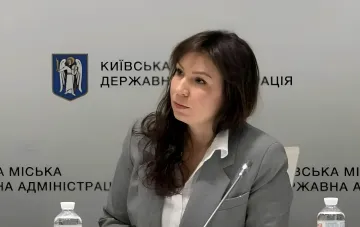
Ukraine's Ministry of Health has presented an updated list of medical services that patients can now receive entirely in digital form — without paper certificates, stamps, or queues. This was announced by the Minister of Health, Viktor Lyashko, who emphasized that digitalization has already become a familiar part of everyday life for Ukrainians. In his words, the key goal of the reform is to eliminate data duplication, unnecessary visits by citizens, and bureaucratic barriers from medical processes — all of which previously consumed time for both patients and healthcare workers.
Patient Cabinet: Choosing a Doctor and Filing a Declaration Online
The central element of the digital ecosystem remains the "Patient Cabinet" — a single portal through which a citizen can choose a family doctor and submit an online declaration that links them to a specific healthcare worker. There, the patient can also view their current declaration at any time and, if necessary, update their personal data. This eliminates the need to visit a polyclinic in person to register or change the assigned doctor.
Remote e-Prescription and Checking Drug Prices
Another in-demand feature is the remote issuance of an electronic prescription (e-prescription). However, as Lyashko clarified, online issuance is only possible when the patient's condition allows it and the attending physician makes the corresponding decision. The e-prescription memo includes a QR code that leads to the National Price Catalog. Through it, the patient can find up to three most cost-effective options for purchasing the prescribed medications at their own expense, allowing them to compare prices across different pharmacy chains and save money.
Electronic Sick Leave and the eMalyatko Service
The medical certificate of temporary incapacity for work is now created by the doctor directly within the electronic healthcare system (EHIS). After that, the information is automatically transmitted to the Pension Fund of Ukraine to generate an electronic sick leave certificate (e-sick leave), provided the patient is an insured person. Paper certificates, stamps, and signatures are no longer required to process this document. The same logic applies to the eMalyatko service: based on the medical certificate of birth, the doctor enters the data into the EHIS, the parents receive the medical certificate of birth number (MCB), after which the necessary information is automatically transmitted between state information systems without any involvement from citizens.
Contradictory Data
No significant contradictions were found in the provided sources between the Ministry of Health's statements and the data from RBC-Ukraine. The only caveat concerns the conditions for remote issuance of the e-prescription: the minister emphasizes that it is possible not in all clinical cases, but exclusively when remote monitoring is permissible and at the doctor's discretion. This is not a contradiction but a clarification of the service's scope of application, which is important for informing patients correctly.
Context and Prospects
The list of services presented is part of a broader healthcare digitalization program that Ukraine is implementing against the backdrop of ongoing challenges related to ensuring access to medical care. According to the Ministry of Health's assessment, the shift to a paperless format reduces the administrative burden on medical institutions and increases the transparency of processes. For patients, this means that a number of routine procedures — from registering with a doctor to processing sick leave — now take only minutes and do not require physical presence at a polyclinic.