Ukraine plans to fundamentally overhaul its state support system for individuals released from Russian captivity. According to RBC-Ukraine, citing a statement by the Ministry of Veterans Affairs on Facebook, instead of assistance currently limited to a few months, the agency intends to introduce continuous support that will last as long as the person and their family need it. The initiative has already received the working title “Uninterrupted Assistance” and has moved from the discussion stage to pilot testing.
Why the Previous Model Proved Insufficient
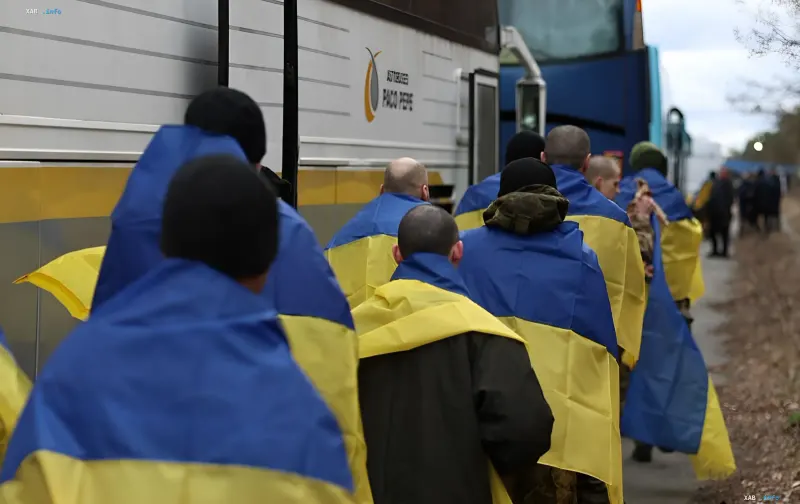
According to data provided in the Ministry of Veterans Affairs statement, between 2022 and 2026, 9,996 Ukrainian citizens were released from Russian captivity. A significant portion of them spent years in captivity, and specialists note that the consequences of isolation, torture, and trauma often do not manifest immediately—appearing months or even years after return. Meanwhile, current state assistance essentially ends upon discharge from inpatient care or the completion of primary reintegration measures, lasting only a few months. This mismatch between the duration of rehabilitation and the support period became the main reason for revising the approach.
What the New Model Entails
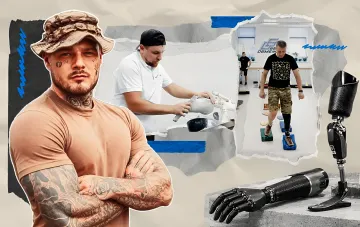
The long-term support model was developed through joint efforts by representatives of the Ministry of Veterans Affairs, the Ministry of Social Policy, the Verkhovna Rada, the Coordination Headquarters for the Treatment of Prisoners of War, and the “Lesna Poliana” Center for Mental Health and Veteran Rehabilitation. It provides comprehensive support for released prisoners and their loved ones: medical, psychological, and social services will be delivered in a coordinated manner within a single multidisciplinary team. The team will include psychiatrists, psychotherapists, rehabilitators, family psychotherapists, social workers, and case managers. Assistance will be available both in person and online.
Families at the Center of the Program
A separate block of the new model is dedicated to the families of released prisoners. As developers emphasize, loved ones also go through a difficult adaptation process, so support for them will be included in the overall recovery program. Another key principle is the accessibility of aid by place of residence: individuals should be able to receive necessary services as close to home as possible, without having to relocate or travel to other regions.
Pilot in Odesa and What Lies Ahead
The “Uninterrupted Assistance” pilot project has already been launched at the Odesa branch of the “Lesna Poliana” Center and will last for nine months. It will involve 20 Ukrainians released from captivity, over 30 family members, and more than 20 Center specialists. Following the pilot, a new state procedure for providing continuous assistance is planned; the work is to conclude with the preparation of a joint resolution by the Cabinet of Ministers of Ukraine. Thus, by the end of 2026 and in 2027, Ukraine may establish the regulatory framework to ensure that support for released prisoners and their families becomes a continuous process rather than a one-time measure.