Historical Result: 70 Drones Shot Down in a Single Operation
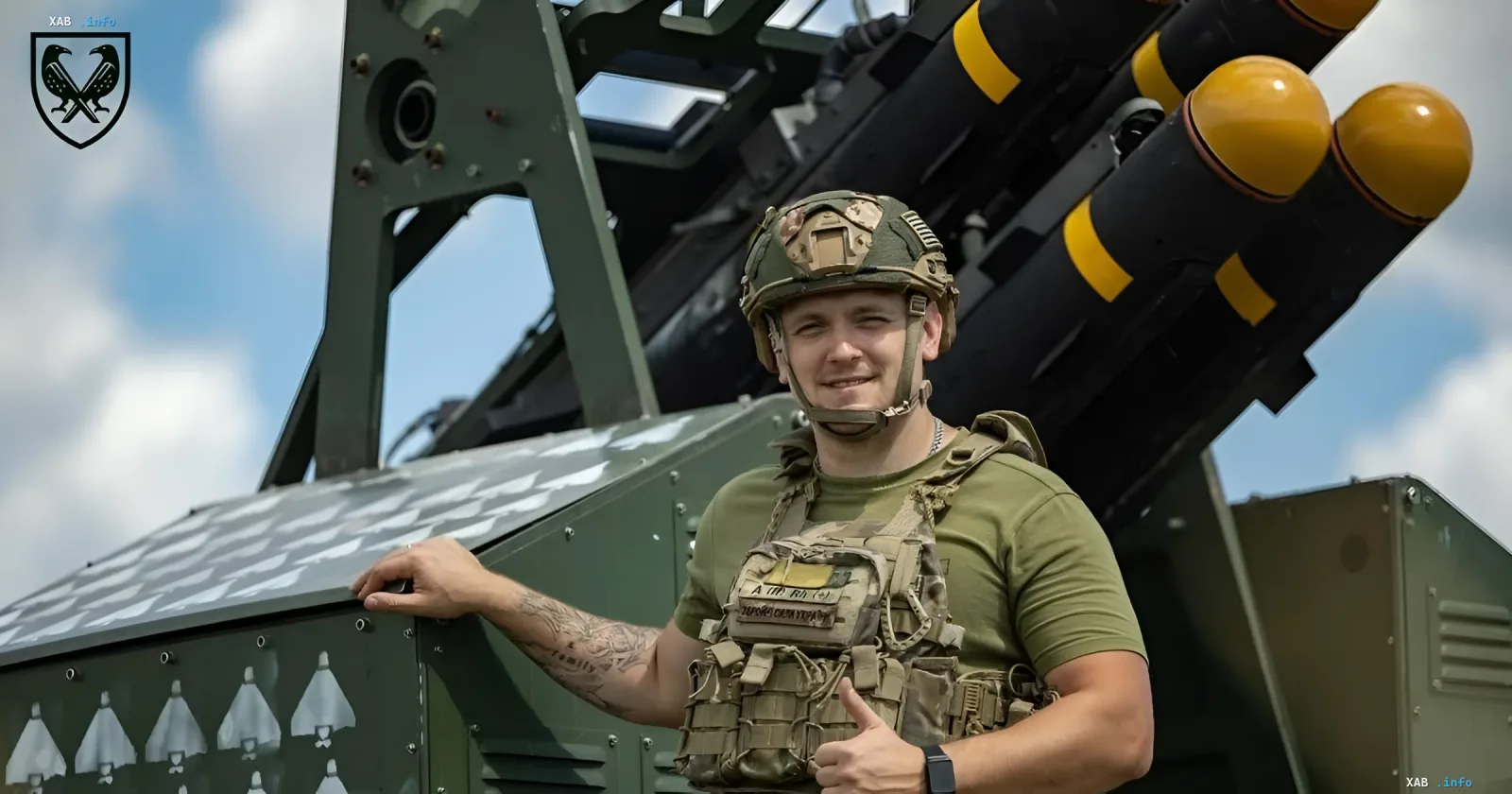
In August 2026, the Ukrainian Armed Forces recorded an unprecedented result in the field of short-range air defense. According to official data from the General Command of the Ukrainian Armed Forces, one crew of the mobile surface-to-air missile system (SAM) "STASH" destroyed approximately 70 enemy unmanned aerial vehicles (UAVs) of various types during a single combat mission. This figure demonstrates not only the effectiveness of the system itself but also the high level of training of the personnel, capable of adapting to the dynamically changing tactics of the enemy.
The success of the operation was achieved thanks to a unique combination of advanced technologies and a non-standard approach to combat. The SAM crew constantly changed positions, using the mobility of the platform to avoid counter-battery fire and surprise attacks. According to military personnel, it was precisely their ingenuity and ability to quickly restructure tactics that allowed them to effectively intercept mass drone attacks, which previously posed a serious threat to rear-area facilities.
Technological Symbiosis: Israeli Radar and American Missile
The STASH system represents a hybrid of advanced technologies assembled to solve a specific task — combating low-flying targets. The key element of the system's "brain" is the Israeli RADA radar station. This equipment ensures the detection of low-observable targets at low altitudes, their precise tracking, and the provision of target designation. It is the RADA radar that allows the system to operate under conditions of dense electronic jamming, which is critically important in modern warfare.
As ammunition, the system uses AGM-114L Longbow Hellfire missiles. Unlike their laser-guided counterparts, which require constant beam guidance until impact, the Longbow version is equipped with an active radar homing seeker. This allows the operator to launch the missile and immediately move the launcher to cover, as the missile finds the target on its own. The cost of one such missile ranges from $100,000 to $150,000, making it an expensive but effective tool compared to losses from enemy drone strikes.
Mobility as the Main Weapon: The "STASH" Concept
The name STASH (from the English "stash" — "hiding place", "stockpile") refers to the concept of stealth and mobility developed by the American company V2X, which is also the creator of the Tempest system. In Ukraine, the system is used in various configurations: on the chassis of light buggies, pickups, and vans. Such versatility allows the SAM to be integrated into any combat group and quickly redeployed to threatened areas.
In May 2026, the Air Force Command of the "Western" region of Ukraine published for the first time a video of a combat operation of the remotely controlled modular version of the complex. This confirmed that the system can operate not only in the mode of direct control by an operator on board but also in remote control mode, which reduces the risk to the crew. The AGM-114L missile has a range of up to 8 km and weighs about 49 kg, making it an ideal means for destroying both heavy attack drones and swarms of lighter devices.
Contradictory Data
Despite official confirmation of success by the General Command of the Ukrainian Armed Forces, there are nuances in the interpretation of the data. On the one hand, the Ukrainian side claims the destruction of 70 drones during a single mission, emphasizing the effectiveness of the STASH complex. On the other hand, independent military analysts note that the exact number of targets shot down during a mass attack may be difficult to confirm visually, especially if it concerns small UAVs that may fall outside the line of sight.
Furthermore, there are discrepancies in open sources regarding the exact modification of launchers used in this specific operation. Although it is known that the system uses AGM-114L missiles, details of the integration of the RADA radar and specific chassis for this mission remain partially classified. Some experts suggest that several mobile modules working in conjunction may have participated in the operation, rather than a single launcher, which could explain such high effectiveness.
The Future of Air Defense: From Tempest to STASH
The success of STASH confirms the correctness of the chosen course towards the creation of modular, mobile, and cheap-to-operate air defense systems. The name of the system is also linked to the Tempest project (DASH — Denied Area Sprinter-Hellfire), which was ordered by the US Marine Corps. This indicates a global interest in this concept. In conditions where the cost of enemy drones is rapidly falling and their numbers are growing, systems like STASH, capable of destroying them with high precision and mobility, are becoming a key element of defense. In 2026, Ukraine is not only using these systems but is also likely adapting them to its own needs, creating unique tactical solutions that could become the standard for NATO countries in the future.