The Cabinet of Ministers of Ukraine has approved an experimental project to introduce underground storage of oil products that form part of the minimum reserves of oil and oil products (MROOP). This is reported by RBC-Ukraine, citing government resolution No. 1037 dated 13 August 2026. The document directly links the launch of the initiative to the conditions of the martial law regime and sets clear parameters regarding timelines, responsibilities, and the share of fuel that must be moved into the underground storage circuit.
What the resolution provides for
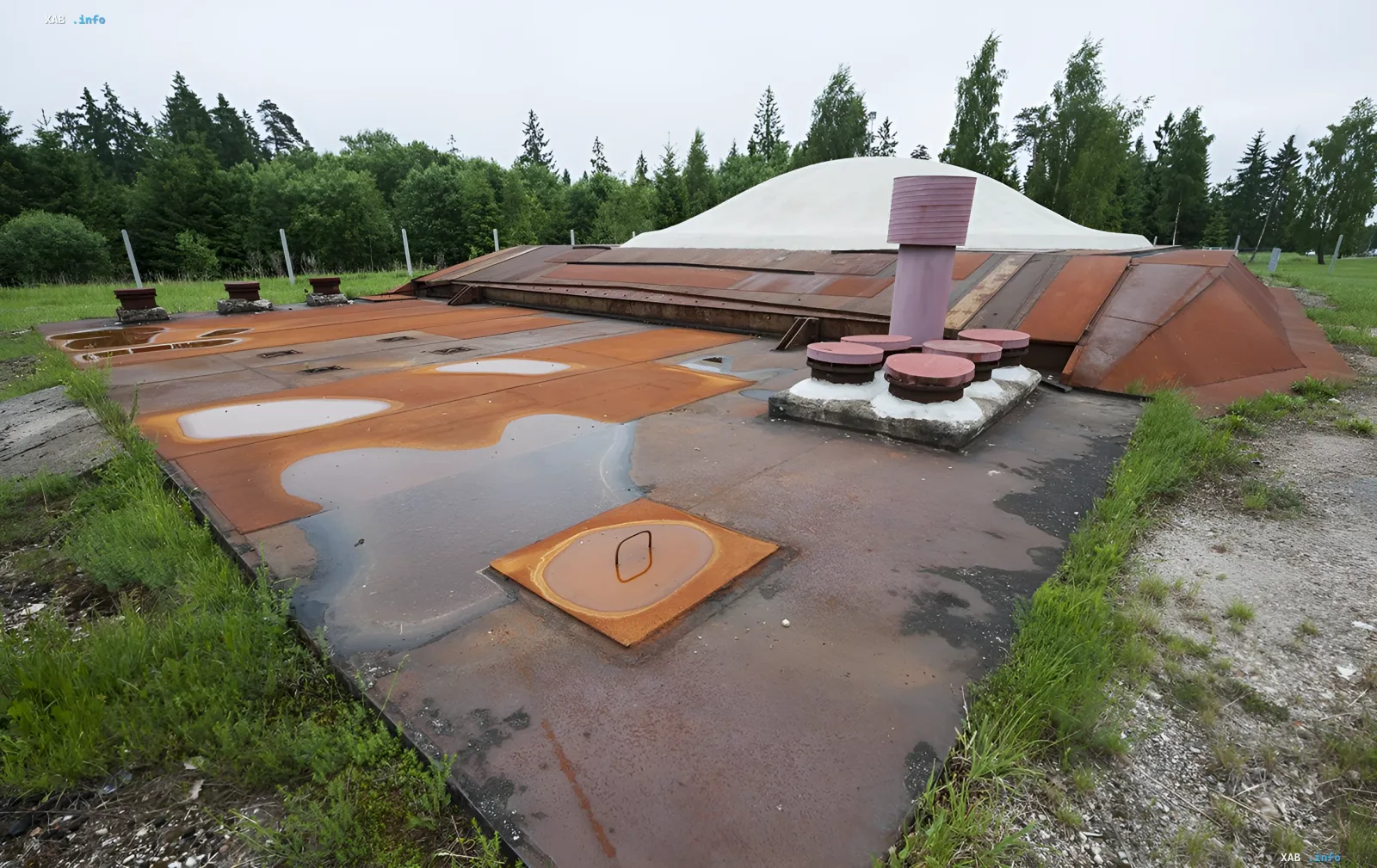
According to the text of the resolution, the experiment will remain in effect for the duration of martial law, but no longer than two years from the date the document enters into force. The project envisages that a portion of the oil products within the MROOP will be stored underground, and to this end the creation of a branched system of underground storage facilities is provided for. The document also gives a formal definition: an underground oil product storage facility is a set of tanks, pipelines, engineering equipment and other related elements located below ground level and intended for storing oil or oil products.
Who is responsible for implementation
The coordinator of the experimental project is designated as the Ministry of Energy of Ukraine. The role of the "specialized responsible custodian" is assigned to the joint-stock company "Ukrtransnafta". This company is specifically tasked with, within two months of the resolution entering into force, agreeing with the Ministry of Energy on the forecast timelines for commissioning the storage facilities and the cost estimates for their reconstruction. The corresponding underground oil product storage facilities meeting the established requirements may be brought into the project.
Key requirements for the fuel market
The central requirement for participants in the fuel market enters into force in 2027, i.e. from the beginning of the third base year. Market entities and operators will be obliged to store in underground storage facilities no less than 20% of the total volume of diesel fuel within the MROOP. Thus, it is precisely the diesel segment that becomes the first one for which the underground storage circuit becomes mandatory rather than optional.
Financing and sources of funds
The implementation of the project, in accordance with the approved procedure, is planned to be funded from the participants' own funds and other sources not prohibited by law, including the state budget. This means that the project will not be entirely "state-funded"; instead, it will rely on a mixed model involving market operators.
Context: security of fuel supplies
The launch of underground storage comes against the backdrop of persistent risks to above-ground fuel infrastructure. Earlier, the WOG network of service stations, due to the security situation, introduced a special operating mode in several regions of Ukraine. In the front-line Sumy region, in turn, a mechanism for stable supply of the region with fuel under shelling has been worked out, in particular through simplifying the procedures for deploying temporary mobile gas stations. In this context, moving part of the strategic reserves into the underground circuit appears as a logical step to reduce the vulnerability of fuel to external impacts.