Ukraine and the United States are in the final stages of preparing a large-scale framework agreement on cooperation in the field of protection against unmanned aerial vehicles. According to sources, Ukrainian President Volodymyr Zelensky is ready to sign the document during the UN General Assembly, which is taking place this week in New York. However, the final signing of the agreement may take place later — at a time when the American side is fully ready for its ratification and implementation. Over the past year, the US Department of Defense and the Ukrainian defense ministry have jointly worked on the text of the document, which will allow for the expansion of testing and production of Ukrainian defense technologies directly on the territory of the United States.
The Catalyst: The War with Iran and the Shortage of Interception Means
The need for such a strategic partnership became especially evident against the backdrop of the conflict with Iran. In the first days of hostilities, Iranian forces launched massive attacks using "Shahed" attack drones on US military facilities in the Middle East. The US and the Persian Gulf states initially did not have sufficiently cost-effective means to intercept such vehicles. Ukraine promptly sent interceptors and trained pilots to provide assistance, demonstrating the practical value of Ukrainian experience in countering the drone threat. Since then, Kyiv has concluded a number of defense agreements, in particular with Saudi Arabia, Qatar, and the United Arab Emirates. President Zelensky has also stated that Ukraine intends to produce 10 million drones this year.
The Specifics: Merops, Bumblebee, and Weeks to Commissioning
According to CBS News, in March of the same year, then-US Army Secretary Dan Driscoll personally called Eric Schmidt — the former CEO of Google who founded the American company Perennial Autonomy, which manufactures drones and operates in Ukraine. Driscoll asked Schmidt to supply 13,000 Merops interceptor drones and 10,000 Bumblebee reconnaissance-strike drones to the US military. According to the publication's sources, the vehicles were delivered to the US military within days. However, their full commissioning took weeks — the cause being delays in the delivery of Ukrainian components. Merops uses components manufactured by the Ukrainian company Sine Engineering, as well as Ukrainian warheads. In addition, the combat use of the drones required Ukrainian expertise in integrating the vehicles with American air defense radars.
The Drone Dominance Program: 200,000 Vehicles by 2027
Washington is simultaneously expanding its own arsenal of drones. The American drone dominance program has invited both American and certain foreign companies — primarily Ukrainian — to participate in the competition for military contracts. The program aims to acquire more than 200,000 drones by 2027. Skyfall, one of the largest drone manufacturers in Ukraine, won the program's first trial at the beginning of the year. The second trial was taken on by Perennial Autonomy and the American company Neros, which also operates in Ukraine. According to sources, the upcoming agreement between Ukraine and the US will not be limited to contracts with individual manufacturers: the document is to create a broader institutional foundation for direct cooperation between Ukrainian defense companies and American enterprises and military structures.
The Advantage Is Not Only in Hardware: Software, Operators, and the Combat Environment
Experts emphasize that the Ukrainian advantage lies not only in the mass production of drones. A critically important role is played by software, the training of operators, and the teams that constantly adapt technologies to changing conditions of combat operations. The value of the partnership with Washington, according to analysts, will depend not only on the transfer of technologies but also on the opportunity to pass on to the American side the Ukrainian practical experience of using drones. This refers to coordination, operational planning, understanding of the combat environment, and communication between operators. It is precisely this complex of knowledge, according to sources, that is the key part of the Ukrainian experience of using drones on the battlefield — and it is precisely this that cannot be replicated without direct interaction with Ukrainian specialists.
Context: The Zelensky–Trump Meeting on the Margins of the UN
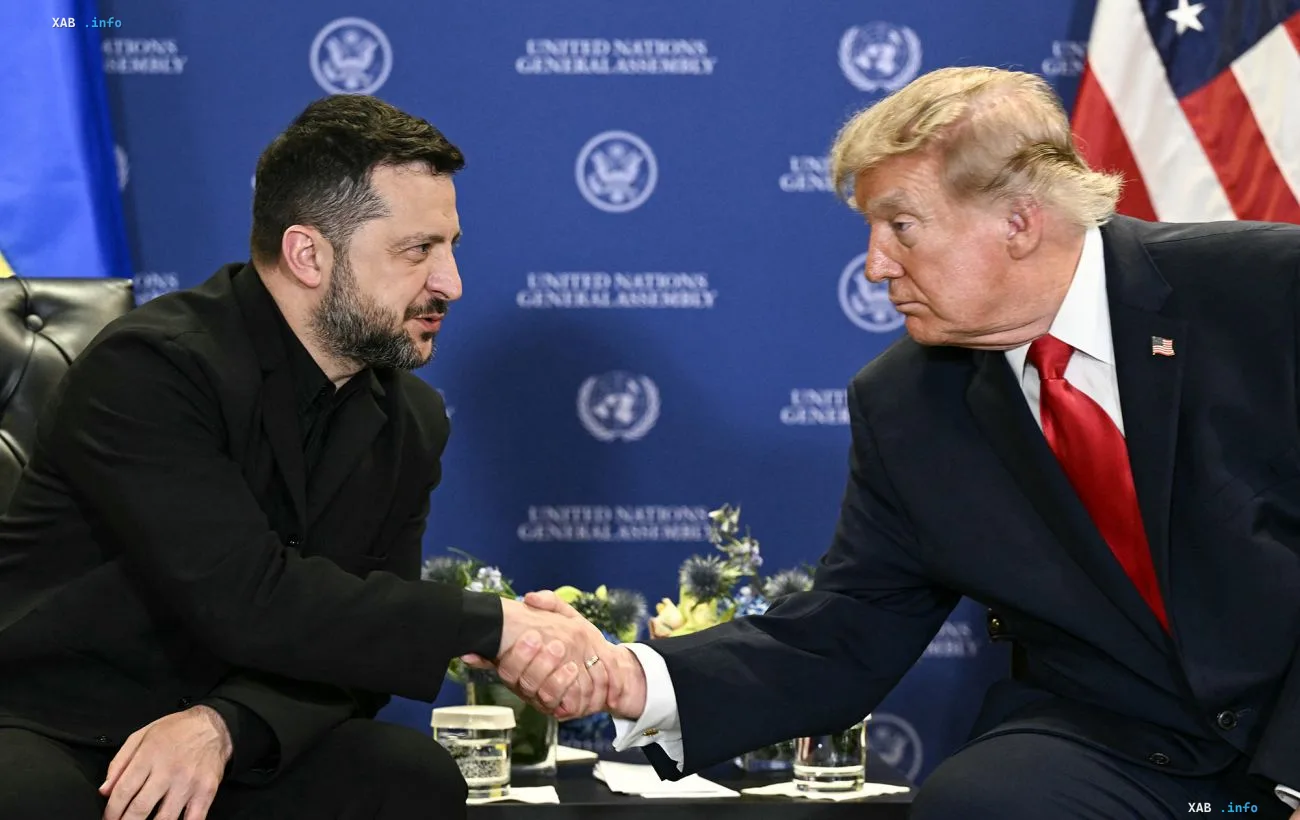
As a reminder: on September 22, on the eve of the expected signing, Ukrainian President Volodymyr Zelensky met with US President Donald Trump on the margins of the UN General Assembly in New York. The leaders discussed, among other things, the possibility of introducing an energy and maritime ceasefire between Ukraine and Russia. Before the meeting, Trump stated that the war in Ukraine would end "faster than people imagine." Zelensky, in turn, expressed hope to end the conflict by winter with US support. During the meeting, Trump also allowed for the possibility of new negotiations with Russian leader Vladimir Putin. Thus, the signing of the defense agreement on drone protection is embedded in a broader diplomatic context in which Washington is simultaneously working on resolving the conflict and strengthening defense ties with Kyiv.
Contradictory Data
The sources contain uncertainty regarding the exact timing of the signing. On the one hand, it is reported that Zelensky is ready to sign the document during the current session of the UN General Assembly in New York. On the other hand, sources directly state that the final conclusion of the agreement "may take place later, when the American side is ready for it." This means that even if the formal signing ceremony takes place this week, the legally binding force of the document and the start of practical implementation may be postponed. In addition, the details about Driscoll's call to Schmidt and the delivery of 23,000 drones are based on information from CBS News and anonymous sources; official confirmations from the Pentagon or the Ukrainian Ministry of Defense are absent in the provided materials.