Ukraine's defense and industrial base, which underwent unprecedented mobilization and a technological leap after 2022, now faces a new challenge — attracting foreign private and state capital. As RBC-Ukraine's special project, "Own Weapons — the Shield of Independence: How Ukraine Rebuilt Its Defense Industry," found, the potential for external investment objectively exists, but its realization runs into systemic barriers that cannot be resolved by a single decree. Against the backdrop of growing international cooperation with NATO companies and the expansion of direct financing schemes from allies, the investment climate in the sector has become one of the key factors for the country's long-term defense capability.
International Cooperation: From Agreements to Joint Ventures
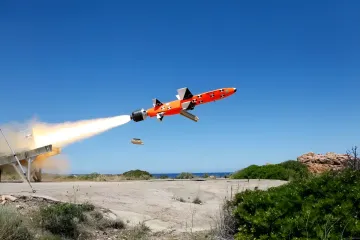
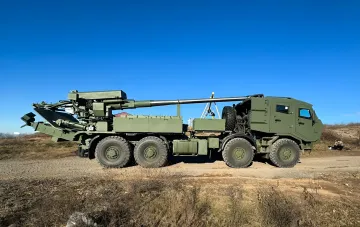
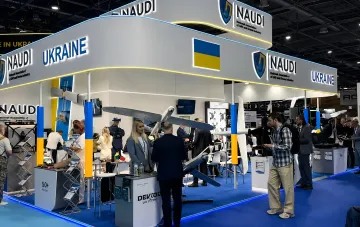
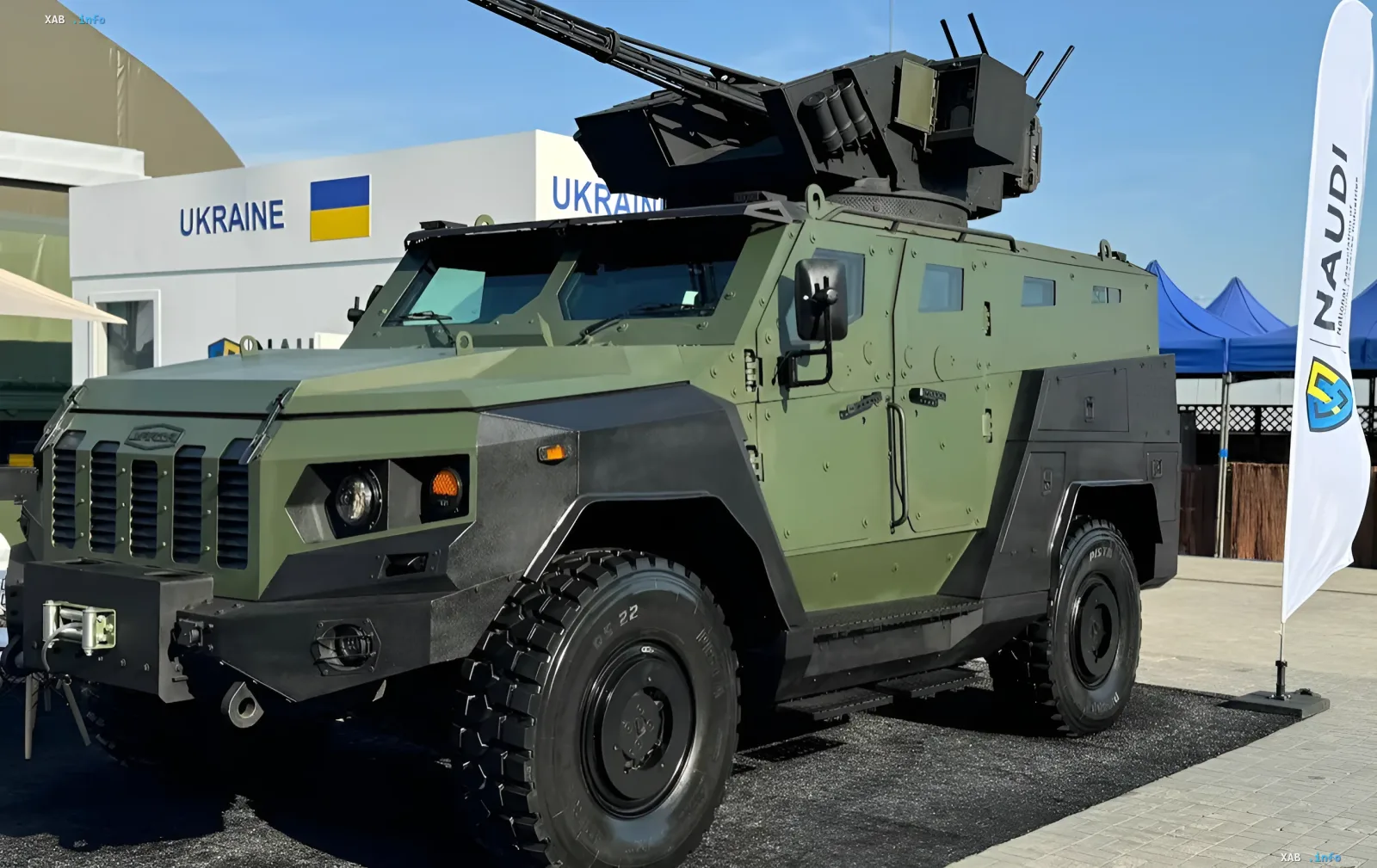
Since the start of the full-scale war, Ukrainian manufacturers have moved from a "closed state sector" model to active integration into global supply chains. Ukrainian armored vehicle producers have signed a number of agreements, including a deal to establish a joint venture with the European missile corporation MBDA. Similar structures are being formed by Ukrspecsystems and other members of the National Association of Defense Industry of Ukraine (NAUDI). In parallel, Ukrainian companies are already receiving international financing under the so-called "Danish model" and other direct financing schemes, under which partner governments channel funds to purchase Ukrainian weapons for the Defense Forces. At international exhibitions, where Ukrainian platforms — from armored vehicles with remotely controlled combat modules to unmanned systems — are showcased in NAUDI pavilions, this trend is clearly confirmed: foreign delegations are interested not only in finished products but also in co-production opportunities.
Three Levels of Risk: A View from Inside the Industry
"For an investor in a Ukrainian defense company, military risk is only the first level of the problem. The second is the absence of a predictable order after the current contract ends. The third is export bans or difficulties, which make it impossible to compensate for the decline in domestic demand," formulates the main problem the head of NAUDI, Serhiy Pashynskyi. According to him, it is precisely the combination of these three factors that makes Ukraine's defense industry less attractive for long-term capital compared to European and American counterparts. Separate risks cited by market participants include possible disproportionate interference by law enforcement agencies, limited access to long-term financing, insufficient protection of intellectual property, and the absence of clear rules for production localization when working with foreign partners.
What Is Needed for a Breakthrough: NAUDI's Requirements
According to the National Association of Defense Industry, attracting private and foreign capital to Ukraine requires at least four conditions: predictable rules for state procurement, access to long-term financing, protection of business from disproportionate interference, and clear terms for international cooperation. Without forming such a "regulatory framework," the industry risks remaining in a mode of extensive growth, dependent on the urgent needs of the front rather than on sustainable market mechanisms. It was previously reported that the Ministry of Defense has already introduced preferential financial leasing for defense industry enterprises — a step that market participants rate as positive but insufficient for forming a full-fledged investment environment.
Contradictory Data
In assessments of the industry's state and the prospects for attracting capital, the positions of experts and industry associations differ in emphasis. On the one hand, RBC-Ukraine and NAUDI emphasize that international cooperation has already been launched, joint ventures are being created, and the "Danish model" is working — meaning the foundation for capital inflow has been laid. On the other hand, analytical publications (including on pravda.com.ua) characterize the current state of the defense industry as a "regime of ad hoc decisions and drift," pointing to the absence of strategic planning and a systematic investment policy. The difference in assessments is explained by the fact that the former focus on the operational successes of recent years, while the latter focus on structural deficits that are not visible in the short term but determine the industry's sustainability in the medium term. A single agreed-upon figure for the volume of foreign capital attracted to the defense industry in 2026 is not publicly stated, which in itself is an indicator of the sector's insufficient transparency.
Context: What Is Visible on Exhibition Floors
The display of Ukrainian armored platforms at international defense exhibitions — with NAUDI flags, Ukrainian pavilions, and a number of foreign partners — has become a visual symbol that the country has ceased to be exclusively a "customer" and has become a "producer" with export potential. However, as noted in the industry, without resolving regulatory issues these showcases will remain mere showcases: investor interest is converted into real investment only when the rules of the game are clear on a five-to-ten-year horizon, not a single contract cycle.