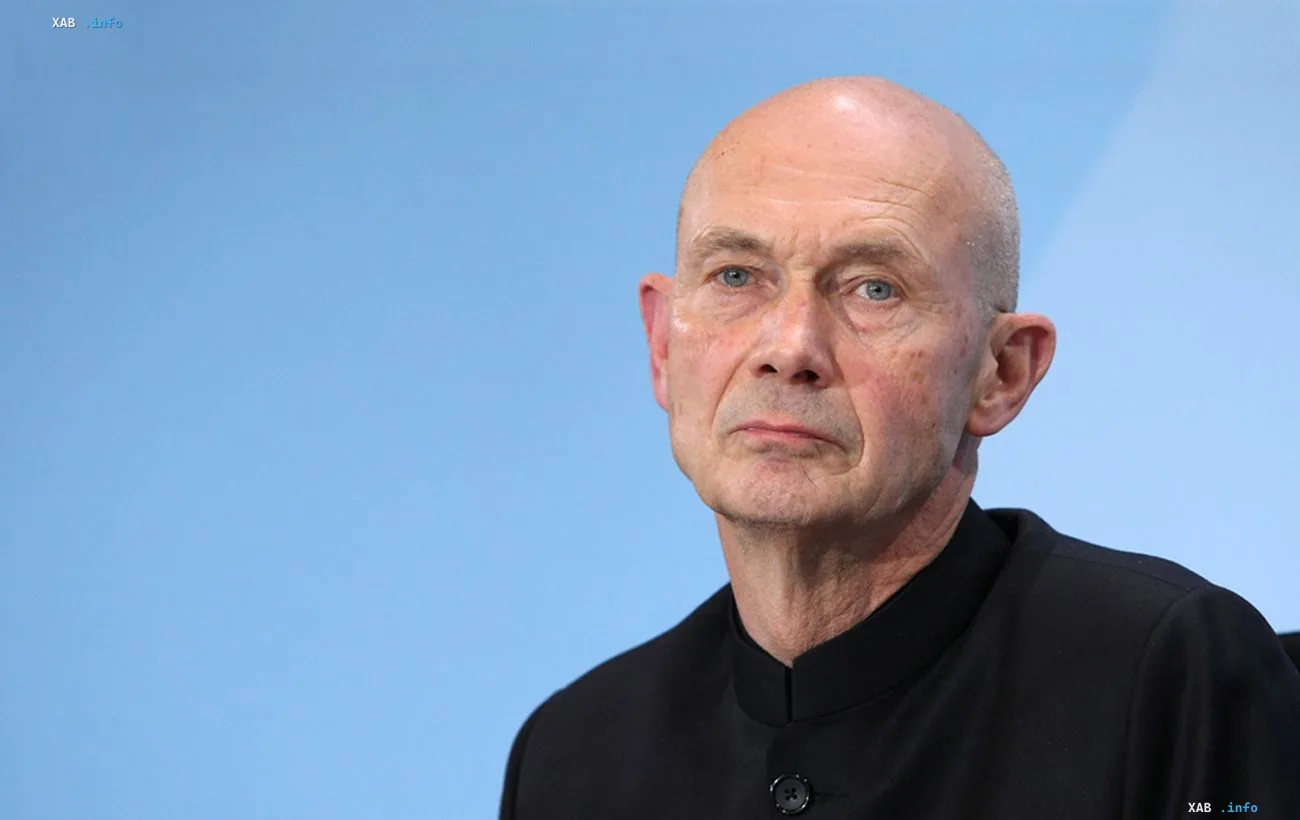
Ukrainian metallurgy has found itself at the center of one of the sharpest trade disputes between Kyiv and Brussels. The Carbon Border Adjustment Mechanism (CBAM, known in Ukrainian practice as SWAM) has been in full force since 1 January 2026 and has effectively turned into a carbon levy on imports into the European Union of steel, cement, fertilizers, electricity, aluminum, and hydrogen. For an industry that is simultaneously waging a full-scale war, losing industrial capacity, and fighting for external markets, these rules create additional pressure. It is against this backdrop that one of the authors of the European carbon adjustment concept, former WTO Director-General and former European Commissioner for Trade Pascal Lamy, publicly called for granting Ukraine a special regime.
Lamy's position: war as grounds for CBAM exemption
According to Lamy, CBAM was originally designed to level the playing field between European producers and importers in terms of carbon emission costs, as well as to prevent production from being shifted outside the EU due to differences in carbon prices. However, as he emphasized, Ukraine is in fundamentally different circumstances because of the full-scale war. "My position: given Ukraine's situation during the war, Ukrainian steel should still be exempted from CBAM," Lamy stated, adding that such an approach should become part of supporting the Ukrainian economy during the wartime period. In his words, "we must not do things that create obstacles for the Ukrainian economy."
Additional barriers: quotas and trade protection measures
Separately, Lamy drew attention to the fact that for Ukrainian steelmakers, an even more serious problem remains the existing EU trade protection measures and import quotas. The European steel market has traditionally been characterized by a high level of protection, and now the bloc is also applying new, albeit not permanent, protective mechanisms and quotas. The expert noted that after Ukraine's accession to the European Union, Ukrainian steel will become part of the EU's internal market and the corresponding trade barriers will lose their relevance. Thus, the CBAM issue is, for him, merely the tip of a broader problem regarding the accessibility of the European market for Ukrainian industrial exports.
Timelines for decisions and the state of the industry
In Lamy's assessment, a possible special regime for Ukrainian metallurgists is already being discussed between the European Parliament, the Council of the EU, and the European Commission, and the corresponding decisions on CBAM rules could be worked out within the next three to six months. Meanwhile, industry experts and analysts warn that Ukrainian metallurgy is approaching a critical limit due to the combined effect of CBAM, EU quotas, and rising tariffs. In turn, the European Parliament proposes to explicitly take the war factor into account when applying the carbon tax to Ukrainian goods.
Contradictory data
Here it is important to distinguish between two positions. On the one hand, the author of the CBAM concept and a number of Members of the European Parliament are in favor of exempting Ukrainian steel from the carbon levy, taking into account the force majeure circumstances — the full-scale war, which, in their words, the country has the right to. On the other hand, the European Commission has, at this point, not provided for such an exemption for Ukraine in the SWAM rules, although a formal basis for it does exist. In other words, the fact of Lamy's statement and the fact of ongoing negotiations are confirmed, but the exemption itself has not yet been introduced and remains a subject of discussion for the next three to six months, rather than a ready-made decision.