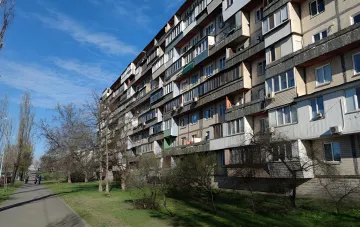
Ukrainians are entering yet another winter season that, according to sociologists, will be a test of resilience not only for the energy infrastructure but also for the psychological endurance of households. A fresh study by the company Gradus, the results of which were published in September 2026, paints a dual picture: on the one hand, most citizens have already developed mechanisms for adapting to instability and are trying to safeguard their daily lives; on the other, nearly half of those surveyed consider the scenario of relocating if living conditions in their settlement deteriorate significantly. At the same time, for the vast majority, winter preparation remains not a transition to full autonomy but rather a set of temporary solutions and stockpiles in case of disruptions.
Energy Takes Top Spot: Key Utility Fears
The biggest utility problem ahead of winter, respondents unanimously name prolonged power outages — 69% of those pointed to this risk. It is this figure that forms the foundation of the entire preparation strategy: people stockpile resources, use temporary solutions, and try to arrange their households in a way that minimizes the consequences of possible disruptions. Preparation takes place primarily at the level of the individual home, rather than through community or state programs. Sociologist, founder, and CEO of Gradus, Yevheniia Blizniuk, emphasizes that Ukrainians assess not only their own readiness for hardships but also the ability of their city or community to ensure basic living conditions. In her words, citizens do not rely on a single scenario but assess risks and prepare backup solutions.
"Plan B": Who and Where Is Ready to Relocate
The key finding of the study is that 40% of respondents are ready to consider relocation as a realistic option if living conditions in their settlement deteriorate significantly. At the same time, 35% do not plan to move even under such a scenario. Among the reasons that could prompt a change of residence, safety remains in first place. Next in the list are lack of access to healthcare, significant deterioration of weather conditions, unstable public transport, and lack of access to education. Importantly, potential relocation does not necessarily mean leaving the country: one in five respondents would consider leaving Ukraine, while nearly half would prefer to relocate temporarily within the country.
The Illusion of Autonomy: Why Full Independence from Grids Remains Rare
Despite the experience of the previous winter, only a few households consider themselves fully autonomous. According to Gradus data, 42% of respondents live in premises connected to municipal utility systems and lack the necessary equipment for autonomous heating, power supply, or water storage. Another third of those surveyed have such equipment but remain dependent on municipal infrastructure. Only one in ten respondents claimed full autonomy. Thus, winter preparation for most Ukrainians remains a way to hedge against disruptions rather than a transition to a fully autonomous lifestyle, which makes society vulnerable to prolonged energy supply crises.
Adaptation Has Its Limits: What Sociologists Say
According to the study, Ukrainians have already adapted to instability and are currently trying to adjust their daily lives to possible problems. However, as noted by Gradus, such adaptation has its limits. Yevheniia Blizniuk points out that people assess not only their own readiness for hardships but also the ability of their city or community to ensure basic living conditions. In her words, Ukrainians do not rely on a single scenario but assess risks and prepare backup solutions. This indicates the formation of a more complex, multi-level survival strategy in which a personal "plan B" becomes the norm rather than the exception.
Context: Readiness to Resist Remains
Previously, RBC-Ukraine reported that most Ukrainians are ready to continue resisting Russian aggression even under conditions of prolonged power and heating outages. According to KIIS data, support for continuing the fight remains overwhelming across all regions of Ukraine. This means that the issue of winter preparation and potential relocation exists in a parallel context to the overall strategy of national defense: citizens are simultaneously planning their households for possible disruptions and maintaining their readiness for a prolonged stand. The duality of these attitudes — adapting to hardships while refusing to capitulate — becomes a defining feature of public mood ahead of the 2026–2027 winter.